MediaMarktSaturn pulls Ledger products amid tampering reports
Source Entity
Cointelegraph by Helen Partz
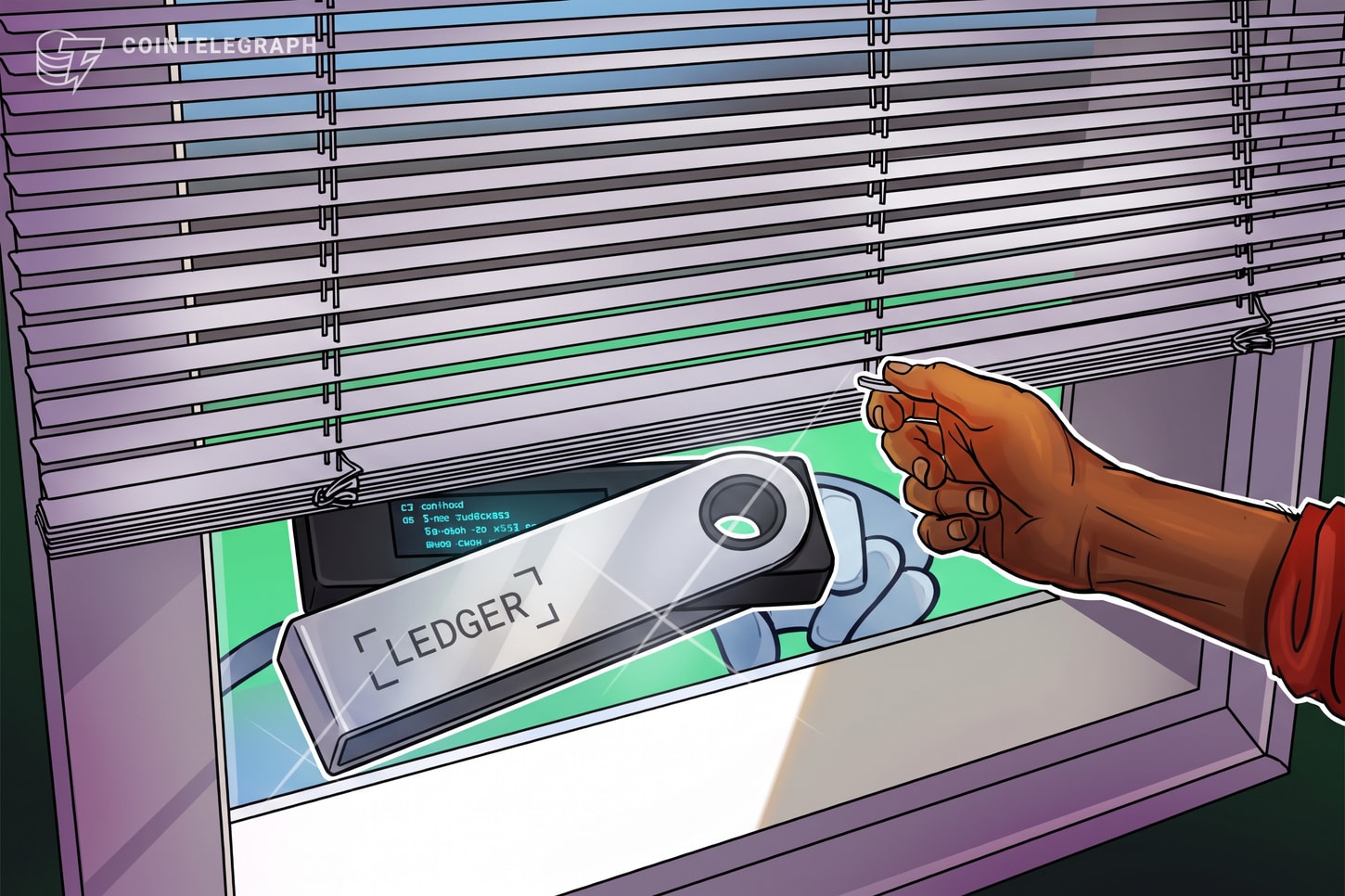
Hardware wallet manufacturer Ledger has identified malicious LTE-enabled implants in devices sold by third-party reseller CryptoBilis. Major retailers like MediaMarkt are pulling stock as investigations expand into potential supply chain tampering across Southeast Asia.
The Security Breach: Malicious Implants in Hardware Wallets
In a concerning development for the cryptocurrency ecosystem, hardware wallet manufacturer Ledger has confirmed that unauthorized LTE-enabled implants were discovered in devices sold by the third-party reseller CryptoBilis. These malicious additions were specifically engineered to compromise user security by capturing recovery phrases during the device setup process. The sophisticated nature of this attack, which utilized a microcontroller to decode the 24-word recovery seeds displayed on the screen, represents a significant escalation in supply chain threats targeting retail crypto storage solutions.
Mechanics of the Compromise
According to Ledger’s security research team, Ledger Donjon, the malicious implants functioned by leveraging embedded SIM (eSIM) technology to transmit sensitive data over cellular LTE networks. Crucially, the investigation revealed that the attackers did not compromise the actual security chips within the Ledger devices, nor did they alter the integrity of the blockchain transactions themselves. Instead, the threat relied on physical interception of the recovery phrase at the point of initial user interaction, effectively bypassing the device's internal security architecture by capturing the information before it was ever securely stored.
Supply Chain Vulnerabilities and Retail Fallout
The security incident has triggered a rapid response from major global retailers. European electronics giant MediaMarktSaturn has proactively removed all Ledger products from its physical stores and online platforms, citing the need to prioritize consumer safety while the investigation proceeds. This decision follows reports from users, such as an individual identified as 'Johannes,' who claimed to have purchased tampered Ledger wallets containing unauthorized cables and cellular modules from MediaMarkt outlets. These events underscore the critical importance of supply chain integrity in the hardware security market.
Expanding Scope and Industry Impact
While the initial reports focused on the reseller CryptoBilis, the scope of the investigation has widened to include potential tampering incidents across Southeast Asia. The involvement of multiple hardware wallet manufacturers, including Trezor and OneKey, who have severed ties with the compromised reseller, indicates that this is not an isolated incident but a broader threat to the hardware wallet distribution ecosystem. The collaborative effort between manufacturers to isolate the source of these implants highlights the industry's attempt to restore trust following these security failures.
Future Trends and Security Best Practices
This incident serves as a stark reminder of the risks associated with purchasing hardware security devices through secondary markets or non-authorized resellers. As attackers become more sophisticated, employing hardware-level 'spy' components, the industry may see a shift toward more stringent supply chain auditing and consumer verification processes. Moving forward, users should strictly adhere to purchasing hardware wallets directly from official manufacturer websites or verified, authorized distributors to ensure the physical integrity of their devices, as once a recovery phrase is broadcast over an external network, the underlying funds are effectively compromised.
Multiple Citing Sources