Apple refreshes its Homepod mini with a new chip and $149 price tag
Source Entity
Ivan Mehta
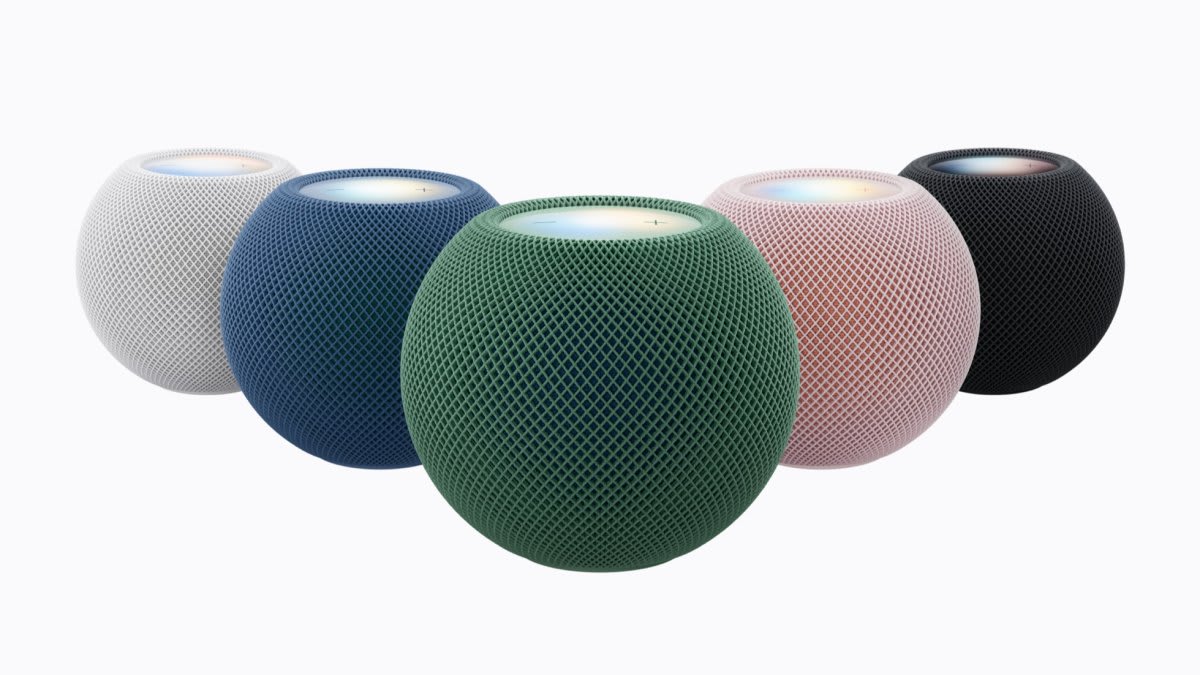
Apple has announced updated hardware including the HomePod Mini 2 and a new Apple TV 4K, both featuring advanced chips and future Siri AI integration. These devices mark a significant shift in pricing and smart home capabilities as Apple pushes deeper into AI-driven connectivity.
Apple Expands Smart Home Ecosystem with New Hardware
Apple has officially refreshed its smart home lineup, introducing the long-awaited HomePod Mini 2 and a redesigned Apple TV 4K. These updates signify a strategic pivot for the tech giant, which is increasingly focused on integrating advanced artificial intelligence into the domestic environment. By upgrading the internal silicon of these devices, Apple is laying the foundation for a more responsive and intelligent ecosystem that aims to challenge established smart home players.
The Evolution of the HomePod Mini
The new HomePod Mini 2 arrives with a $149 price tag, representing a notable increase over its predecessor. Beyond the price hike, the device features the S10 chip, designed to optimize acoustic performance, dynamic range, and loudness. A standout addition is the 'SoundGlow' feature, which synchronizes the speaker's LED lighting with the album art of the music being played, adding a layer of visual immersion to the audio experience. Furthermore, the device now includes safety-focused features, such as the ability to listen for smoke alarms and notify users, effectively bringing it to parity with long-standing competitors like Amazon’s Alexa.
Apple TV 4K and the Silicon Leap
Simultaneous to the speaker refresh, Apple debuted a new Apple TV 4K, its first update in four years. Powered by the A19 chip—a significant leap from the A15 Bionic found in the 2022 model—the device promises enhanced wireless connectivity and performance. The new model, priced at $299, also introduces integration with the 'Find My' network for the Siri remote, addressing a common pain point for users who frequently misplace their controllers. This hardware update is clearly engineered to handle the computational demands of upcoming software features.
The Siri AI Integration Strategy
A critical aspect of these product launches is the integration of Siri AI. While both the HomePod Mini 2 and the latest Apple TV 4K are built to leverage this new intelligence, Apple has confirmed that these features will not be available at launch. Instead, they will arrive via future software updates. This phased rollout suggests that Apple is prioritizing hardware readiness, ensuring that its devices are equipped with the processing power necessary to support complex, multi-turn conversations and advanced voice commands as the AI software matures.
Broader Ecosystem Implications
These releases highlight Apple’s commitment to a cohesive smart home environment. The ability to pair up to four HomePod Mini 2 units with the new Apple TV 4K for surround sound, combined with the option to set the speaker as a Mac’s default audio output, demonstrates a move toward deeper cross-device utility. However, the premium pricing strategy—with the HomePod Mini 2 costing $20 more than its predecessor and the Apple TV 4K doubling in price compared to previous iterations—indicates that Apple is positioning its smart home hardware as high-end, premium lifestyle products rather than entry-level utility gadgets.
Future Trends and Market Outlook
Looking ahead, the success of these devices will hinge on the effectiveness of the promised Siri AI updates. As the market for voice-activated home assistants becomes increasingly saturated, Apple is betting on superior hardware performance and tight ecosystem integration to differentiate itself. The transition from simple voice control to context-aware AI agents is the next frontier for the smart home industry, and by readying its hardware now, Apple is positioning itself to be a dominant force in this evolving space.