‘Cabinet decision on Bangalore Turf Club land for High Court this month’
Source Entity
India Latest News: Top National Headlines Today & Breaking News | The Hindu
Recent legal actions in India highlight growing judicial scrutiny over online content, with defamation cases targeting YouTubers and media platforms. Meanwhile, the Karnataka government is moving to relocate the High Court to new premises in Bengaluru.
Legal Scrutiny and Digital Accountability in India
The Indian legal landscape is witnessing a significant intersection between digital content creation and traditional defamation litigation. Recent reports confirm that YouTuber Dhruv Rathee is facing bailable warrants in connection with a 2018 video targeting the BJP IT cell. This legal development underscores the enduring nature of defamation liability, where content creators remain vulnerable to litigation years after the initial publication of material if it is perceived to violate legal standards regarding reputation and political discourse.
The Rise of Judicial Injunctions Against Platforms
Beyond individual cases, the judiciary is increasingly utilizing broad injunctions to manage digital fallout. A Bengaluru civil court recently issued an ad-interim ex-parte temporary injunction restraining 42 entities—including major tech platforms like Google, Facebook, and Yahoo—from disseminating videos allegedly defamatory toward former Chief Minister Siddaramaiah. By mandating that these platforms disable access to the specified content, the court is shifting the burden of content moderation onto service providers, setting a precedent for how digital platforms must react to claims of defamation in the Indian political sphere.
Balancing Free Speech and Reputation
These cases highlight the ongoing tension between the right to free expression and the protection of individual reputation. When courts issue orders to block content across multiple digital channels, it reflects a judicial preference for preventing harm to public figures' reputations over the unrestricted flow of potentially inflammatory digital content. This trend suggests that digital influencers and media houses must navigate an increasingly complex regulatory environment where platform immunity may be challenged by specific court orders.
Infrastructure Development and Governance
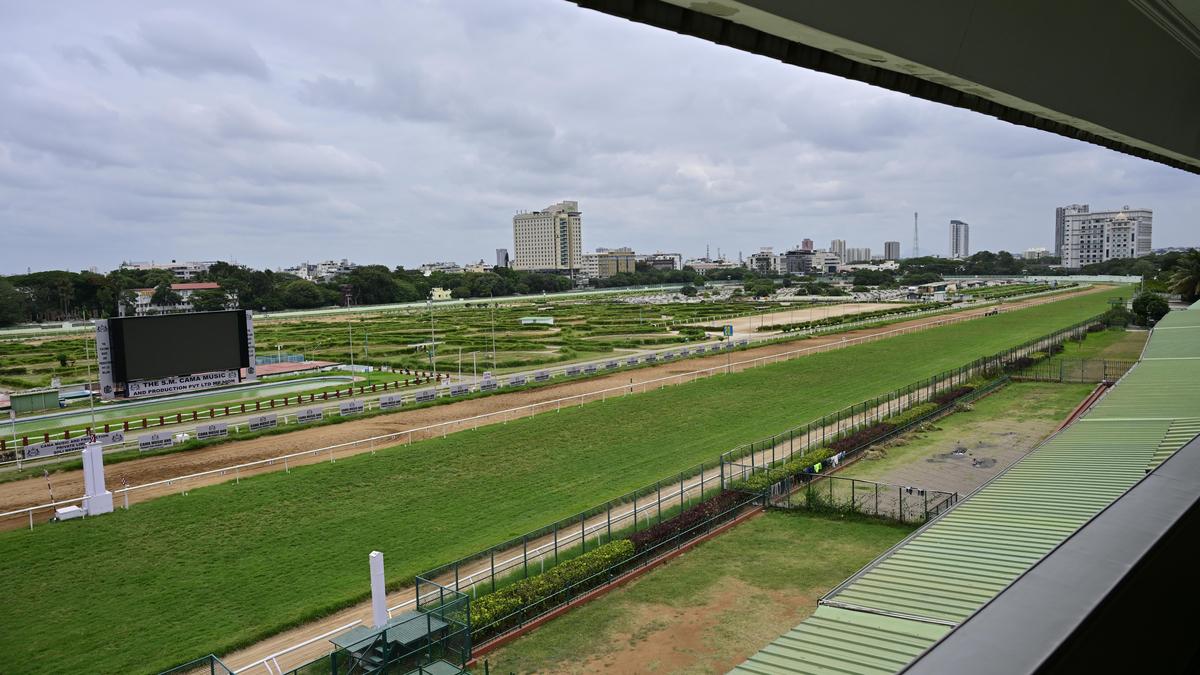
In a separate but significant development for Karnataka’s judicial infrastructure, Deputy Chief Minister D.K. Shivakumar has announced that the State Cabinet will decide on the allocation of land for a new High Court building. The proposal seeks to utilize 12-15 acres of the Bangalore Turf Club's race course premises. This initiative is reportedly driven by requests from the Chief Justice of the High Court of Karnataka, who noted that the current proximity of the court to the legislature house presents unique logistical challenges.
Future Implications for the Legal and Digital Landscape
These events, while distinct, paint a picture of a state where judicial processes are becoming more prominent in both the digital and physical domains. The move to relocate the High Court signifies a long-term investment in judicial infrastructure, while the rise in defamation-related injunctions indicates that the digital media landscape will face stricter oversight. As these trends continue, both media organizations and the judiciary will likely find themselves in a more interdependent relationship, where legal rulings directly dictate the visibility of online discourse.
Multiple Citing Sources
Verification Required?