Singeetham Srinivasa Rao’s ‘Michael Madana Kama Rajan’, a timeless classic from a master filmmaker
Source Entity
India Latest News: Top National Headlines Today & Breaking News | The Hindu
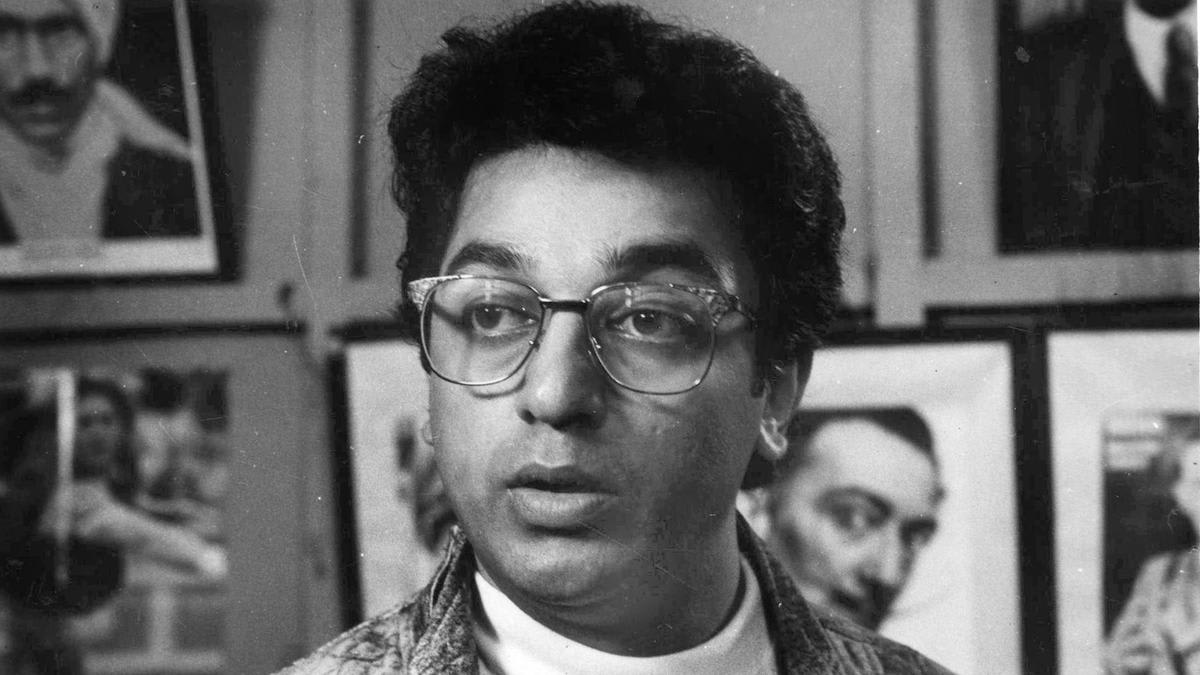
Legendary Indian filmmaker Singeetham Srinivasa Rao has passed away in Chennai at the age of 94. Known for his experimental approach, he leaves behind an iconic legacy including genre-defining classics like Pushpaka Vimanam and Aditya 369.
The End of an Era: Honoring Singeetham Srinivasa Rao
The Indian film industry mourns the loss of a true visionary, Singeetham Srinivasa Rao, who passed away at the age of 94 at Kauvery Hospital in Chennai. His death marks the conclusion of a storied career that spanned decades and fundamentally altered the landscape of regional and national cinema. Known for his unparalleled ability to bridge the gap between commercial viability and experimental storytelling, Rao’s contributions have left an indelible mark on filmmakers and audiences alike.
A Legacy of Innovation
Born on September 21, 1931, in Gudur, Andhra Pradesh, Rao’s journey began as an assistant to the legendary L.V. Prasad. His directorial debut, Neeti Nijayiti (1972), was merely the prologue to a career defined by audacity. Throughout his prolific life, he tackled diverse genres with ease, ranging from the emotional depth of Mayuri (1985) to the high-concept ambition of India’s first time-travel epic, Aditya 369 (1991). His willingness to push boundaries was perhaps best exemplified by Pushpaka Vimanam (1987), a silent film that discarded dialogues entirely, relying on visual storytelling to captivate audiences—a feat rarely attempted in mainstream Indian cinema.
The Creative Synergy with Kamal Haasan
Central to his artistic evolution was his profound partnership with actor Kamal Haasan. This collaboration allowed Rao to explore themes often considered too risky for the era. In Raaja Paarvai (1981), they challenged tropes by featuring a visually impaired protagonist, a decision that prioritized character complexity over traditional hero archetypes. This creative freedom, particularly within the Tamil film industry, allowed Rao to cultivate a unique brand of cinema characterized by a sharp sense of humor and a youthful, rebellious heart.
A Filmography of Permanence
Rao’s filmography serves as a masterclass in versatility. From the social commentary in Dikkatra Parvathi (1974) and Panthulamma (1978) to the fantastical realms of Bhairava Dweepam (1994) and the experimental Magalir Mattum (1994), his work remained consistently innovative. Even in his final years, his drive to disrupt cinema remained intact, with his final project, Sing Geetham, released earlier this year. His ability to reinvent himself while maintaining a distinct directorial voice is a testament to his enduring relevance.
Broader Implications and Future Trends
Singeetham Srinivasa Rao did not just make movies; he expanded the vocabulary of Indian cinema. By proving that silent films or complex science fiction could achieve mainstream success, he paved the way for future generations of directors to pursue unconventional narratives. As the industry moves toward a more global and experimental outlook, the 'Singeetham model'—which emphasizes the primacy of the script and the courage to break established rules—will continue to serve as a vital blueprint for aspiring creators.
Conclusion
As tributes from across the entertainment world continue to pour in, the industry reflects on a life that was as vibrant as the films he created. Singeetham Srinivasa Rao’s departure at 94 closes a significant chapter in film history, but his body of work remains a permanent fixture in the cultural consciousness. His legacy is not just in the films he directed, but in the enduring idea that cinema should always be a medium for exploration, experimentation, and boundless imagination.
Multiple Citing Sources
Verification Required?