Leptospirosis mortality spirals up in Kerala
Source Entity
India Latest News: Top National Headlines Today & Breaking News | The Hindu
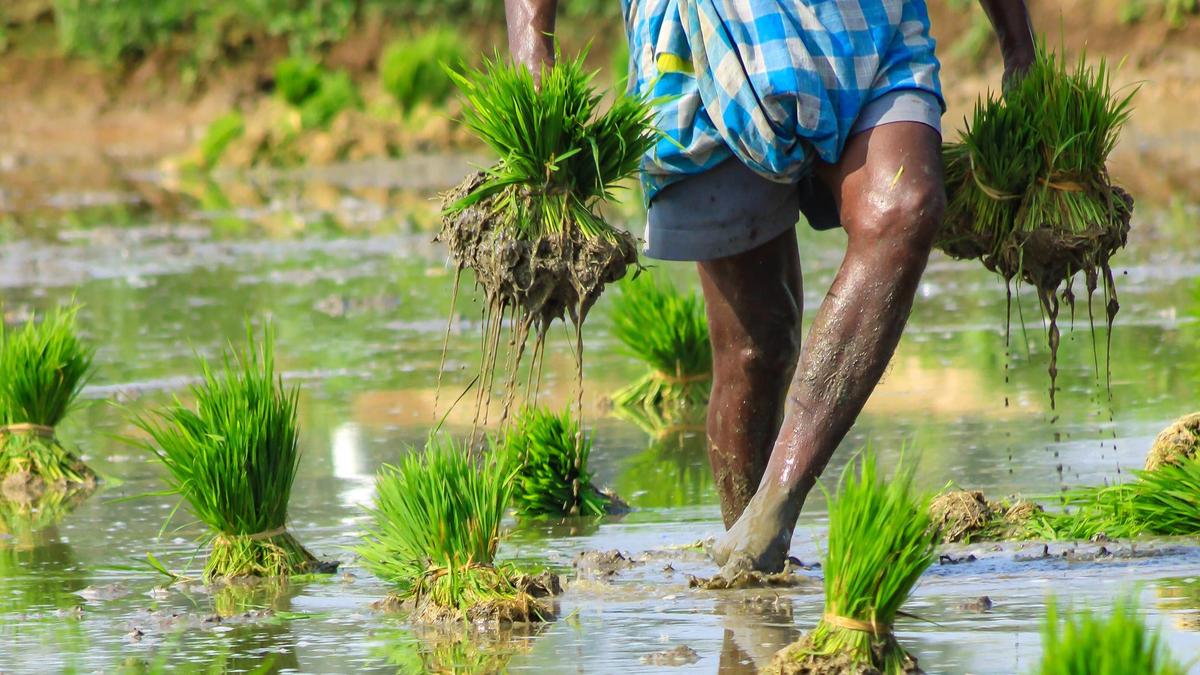
Kerala is facing a critical surge in leptospirosis cases and fatalities, with 115 deaths recorded in 2026. The state's tropical climate and environmental factors make it a persistent hotspot for this zoonotic disease, particularly among outdoor laborers.
The Rising Crisis of Leptospirosis in Kerala
Kerala is currently grappling with a concerning escalation in leptospirosis mortality, a zoonotic bacterial infection that has become the state's most lethal communicable disease. Recent data from July 2026 alone indicates a surge, with 49 deaths—30 confirmed and 19 probable—reported within that single month. This brings the total annual toll to 115 deaths, highlighting an alarming trend in the state's public health landscape.
Understanding the Pathogen and Prevalence
Leptospirosis, caused by pathogenic Leptospira bacteria, is deeply integrated into environments where humans and animals interact. Since its first reports in Kerala in 1989, the disease has transitioned from an occasional outbreak to an endemic state. Over the last three decades, it has established a firm foothold in the region, consistently recording approximately 5,000 cases and nearly 400 total deaths annually over the past three years.
The Monsoon Factor
While the disease is present in Kerala throughout the year, the arrival of the Southwest monsoon serves as a catalyst for increased transmission. The heavy rainfall and subsequent flooding create conditions where the bacteria thrive in contaminated water and soil. The recent spike in July 2026, where the Integrated Disease Surveillance Programme recorded five to six deaths daily, underscores the immediate correlation between seasonal shifts and public health risks.
Vulnerable Populations and Occupational Risks
The burden of this disease is not distributed equally; it disproportionately impacts individuals whose livelihoods necessitate contact with potentially contaminated environments. Manual laborers, agricultural workers, farmers, dairy workers, and gardeners face the highest exposure risks. These groups are frequently in contact with soil and water that may harbor the bacteria, making them the primary victims of the state's high mortality profile.
Broader Implications and Future Trends
The current mortality surge suggests that despite three decades of endemicity, the state faces significant challenges in disease management and prevention. The shift toward higher daily death counts indicates a potential breakdown in early detection or treatment access during peak monsoon months. Moving forward, public health authorities will likely need to intensify targeted interventions for high-risk workers, including protective gear mandates and early-warning systems, to curb the consistent yearly death toll that has plagued the region for years.
Verification Required?