At 107.7% in 2025, PGI Chandigarh records 100% bed occupancy for third consecutive year
Source Entity
Hina Rohtaki
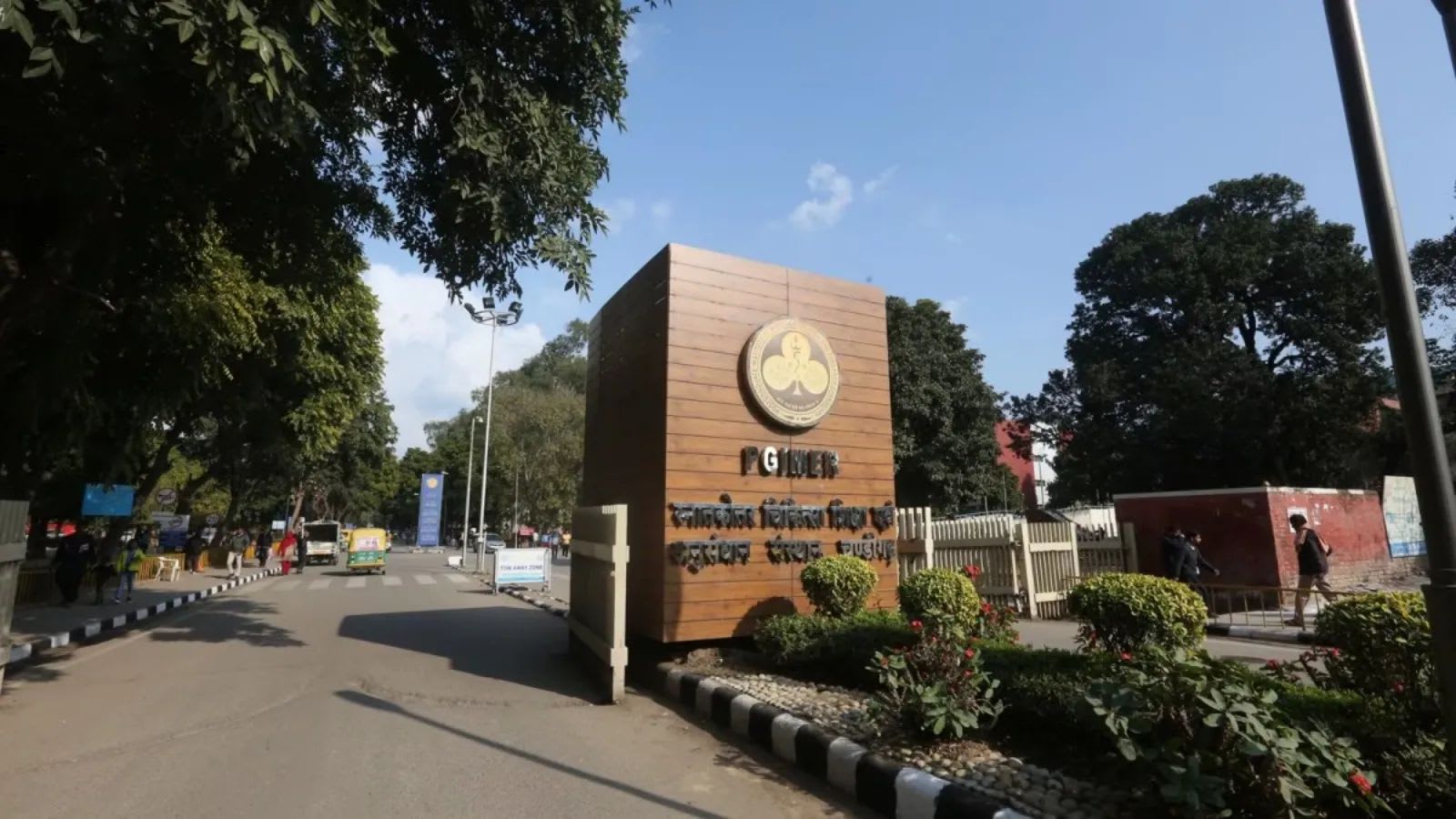
PGIMER Chandigarh has reported a 107.7% bed occupancy rate for 2025, marking three consecutive years of operating above capacity. The surge in patient load is accompanied by a significant increase in surgical volume and outpatient visits.
The Capacity Crisis at PGIMER Chandigarh: An Analytical Overview
Sustained Overcrowding as a Structural Norm
The Post Graduate Institute of Medical Education & Research (PGIMER) in Chandigarh has officially reported a bed occupancy rate of 107.7% for the year 2025. This figure, while statistically indicative of extreme operational strain, represents a sustained trend rather than an isolated incident, marking the third consecutive year that the premier institution has functioned beyond its designed capacity. Such data points to a systemic mismatch between the growing healthcare demands of northern India and the available infrastructure at one of the region's most critical medical hubs.
The Growing Burden of Surgical and Outpatient Care
The strain on PGIMER is further evidenced by the sheer volume of clinical services rendered. In 2025 alone, the institute managed 28.59 lakh outpatient department (OPD) visits and successfully completed 57,532 major surgeries. When compared to figures from a decade ago, the surgical workload has expanded by nearly 28%. This escalation in procedural demand suggests that PGIMER is not only serving as a primary care destination for Chandigarh but is increasingly acting as the final safety net for complex, life-saving interventions for a vast catchment area spanning multiple neighboring states.
Regional Healthcare Reliance and Infrastructure Gaps
PGIMER occupies a unique position in the Indian public health landscape, often serving as the primary referral point for patients who cannot find specialized treatment in their respective home states. The consistent occupancy rate exceeding 100% underscores the heavy reliance on this central institute. Without significant investment in infrastructure expansion or the decentralization of specialized care to peripheral medical centers, the institute remains trapped in a cycle of perpetual overcrowding, which can impact resource allocation and clinician burnout rates.
Long-Term Implications for Patient Outcomes
Operating at over 100% capacity poses significant challenges for hospital management, ranging from the logistics of patient triaging to the maintenance of stringent hygiene and care standards. While the institute has demonstrated remarkable efficiency in managing high volumes, the persistent nature of this 'over-capacity' status suggests that the physical infrastructure is reaching its threshold. Future policy decisions will likely need to focus on balancing the institute's role as a tertiary care leader with the urgent need to expand inpatient capacity to ensure that patient care quality remains uncompromised.
Future Trends and Strategic Outlook
Looking ahead, the trajectory of PGIMER’s workload indicates that demand will continue to outpace existing bed availability unless strategic interventions are implemented. The 28% increase in surgical volume over the last decade is a clear indicator that the complexity of cases arriving at the institute is growing. For the administration, the challenge will be to scale up support systems, digital health integration, and potentially satellite facilities to alleviate the pressure on the main campus, ensuring that the institution can continue to provide world-class medical education and clinical care in the face of rising demographic pressures.