5 lesser-known wild animals of Northeast India
Source Entity
The Indian Express
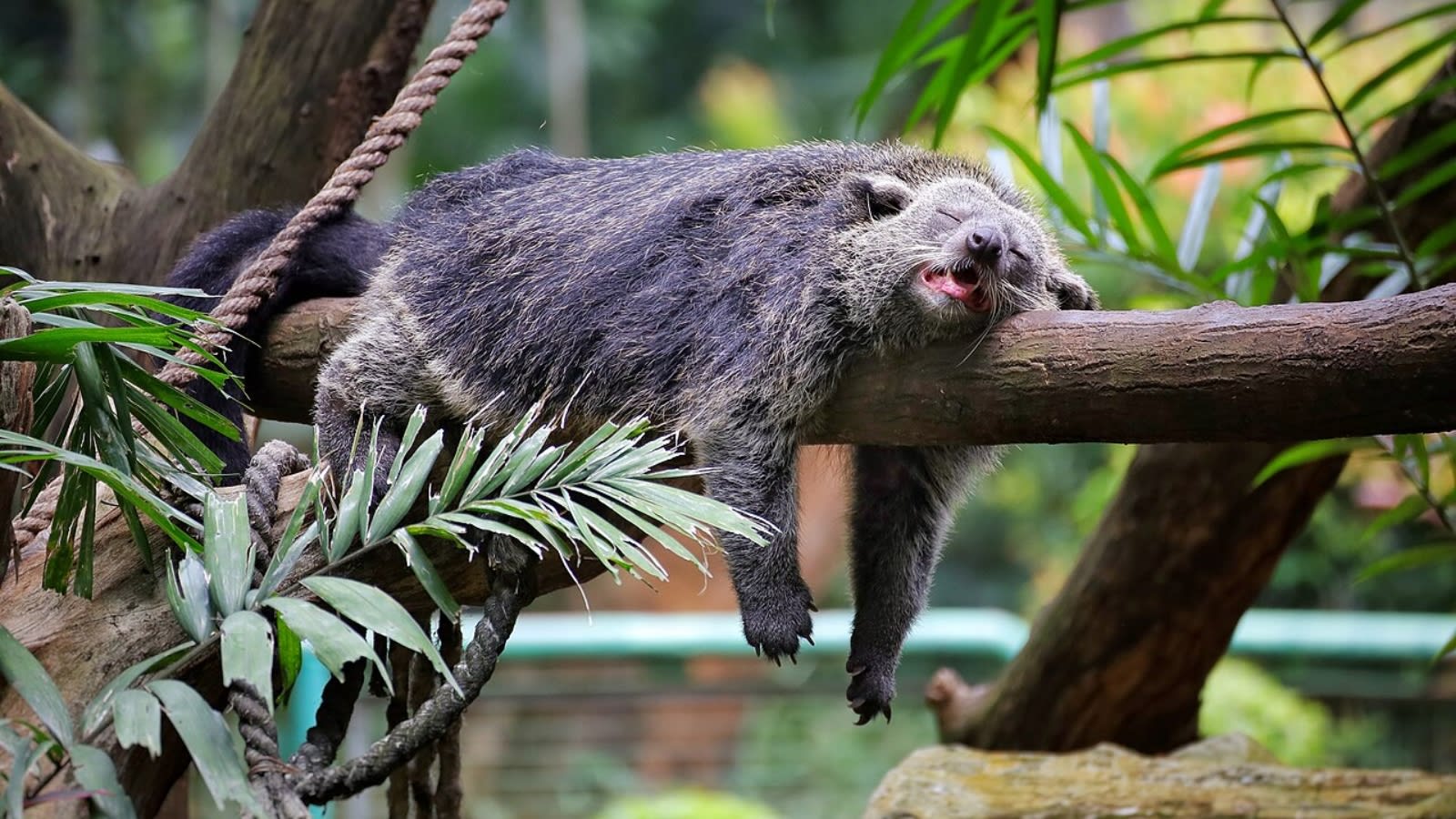
Northeast India hosts a diverse array of lesser-known wildlife beyond its famous megafauna. This report highlights species like the binturong, emphasizing the critical need for biodiversity conservation in the region.
Unveiling the Hidden Biodiversity of Northeast India
Northeast India stands as a global biodiversity hotspot, characterized by its intricate mosaic of dense tropical forests, expansive grasslands, and vital wetlands. While the charismatic megafauna—such as the majestic Asian elephant, the regal tiger, and the iconic one-horned rhinoceros—rightfully command significant conservation attention and public fascination, they represent only a fraction of the region's ecological wealth. Beneath the canopy of these ancient landscapes lies a vast, often overlooked world of lesser-known mammals that are equally vital to the integrity of their respective ecosystems.
The Elusive Specialists
The survival of many of these species is inextricably linked to the health of their specific habitats. For instance, the region is home to specialized mammals, such as the pygmy hog, which relies exclusively on high-grassland environments for shelter and foraging. The loss or degradation of these grasslands poses an existential threat to such species, underscoring the fragility of Northeast India’s biological heritage. These animals are not merely inhabitants; they are ecological indicators whose declining numbers often signal broader environmental stressors within the forest and wetland corridors.
The Curious Case of the Binturong
Among the most fascinating of these lesser-known inhabitants is the binturong (Arctictis binturong), often colloquially referred to as the 'bearcat.' Despite the nomenclature, this arboreal mammal is neither a bear nor a cat; it is a member of the Viverridae family, which includes civets. Its presence in the Northeast Indian canopy highlights the region's role as a biological bridge between the Indian subcontinent and Southeast Asia. The binturong’s unique morphology and nocturnal habits make it a challenging subject for field researchers, yet it remains a critical component of forest seed dispersal.
Threats to Biodiversity
Many of these smaller mammals remain poorly studied, leaving a significant gap in our understanding of their population dynamics and specific ecological roles. This lack of data complicates conservation efforts, as policy interventions often prioritize well-documented megafauna over elusive, smaller species. Habitat fragmentation, driven by infrastructure development and agricultural expansion, continues to isolate these populations, further threatening their genetic diversity and long-term viability.
Future Trends and Conservation Imperatives
Moving forward, the conservation strategy for Northeast India must shift toward a landscape-level approach that protects the entirety of the ecosystem rather than focusing solely on flagship species. Utilizing modern tracking technologies and community-led conservation initiatives may provide the necessary data to protect these lesser-known species. By broadening the focus, conservationists can ensure that the biological legacy of the Northeast is preserved in its entirety, safeguarding both the famous icons and the mysterious, lesser-known inhabitants that define this unique corner of the world.