LG TV shown scanning LAN for third-party phones and other devices
Source Entity
Scharon Harding
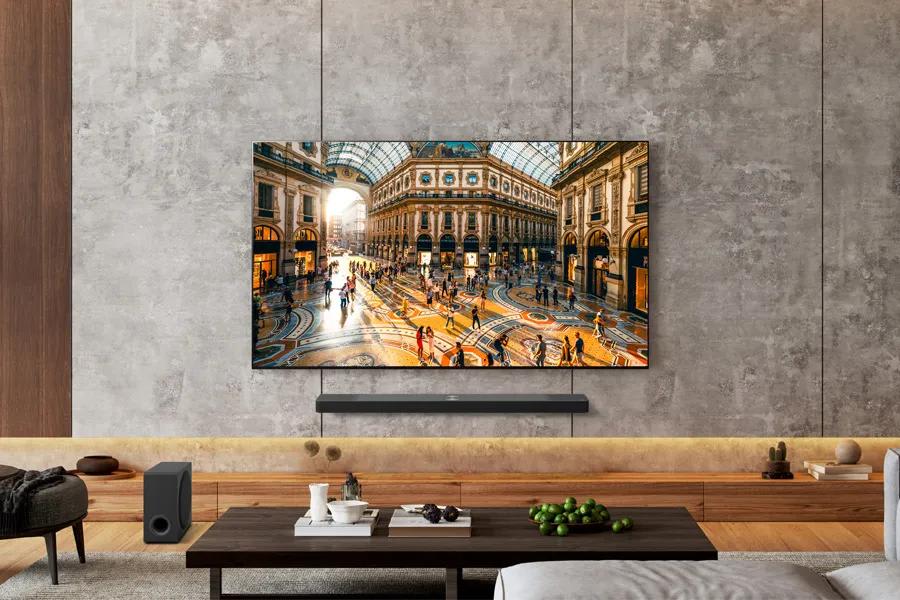
Security researchers discovered that LG smart TVs are actively scanning local area networks for connected devices, even when powered off. This intrusive behavior raises significant privacy concerns regarding how manufacturers track consumer data.
The Privacy Implications of LG Smart TV Network Scanning
Recent investigations led by Gamers Nexus, in collaboration with Level1Techs and independent security researchers, have unveiled unsettling behaviors in LG’s high-end smart televisions. Packet capture analysis using Wireshark on models such as the LG OLED65G3PUA has revealed that these devices perform active scans of the user's Local Area Network (LAN). This activity occurs even when the television is ostensibly powered off, raising critical questions about the extent of data collection occurring within private home networks.
The Scope of Unauthorized Network Discovery
According to the findings, the LG G5 OLED TV demonstrated an aggressive capability to crawl the network, identifying dozens of unrelated devices. These included personal smartwatches and smartphones belonging to staff members who were not involved in the testing process. The ability of a consumer electronics device to map a private network without explicit user consent marks a significant departure from standard expectations of privacy, transforming the TV from a passive media consumption device into an active network probe.
Data Persistence and the Cost of Storage
Beyond the act of scanning, the investigation touched upon the long-term implications of data retention. The researchers noted that, in the modern digital landscape, "it doesn't cost a lot to store text forever." This observation highlights the danger of telemetry data; even if the information gathered—such as device types or network topography—seems innocuous today, its indefinite storage allows for the creation of longitudinal user profiles that can be mined or monetized far into the future.
Analyzing the 'Off' State Paradox
One of the most alarming aspects of this report is the assertion that these scanning activities persist while the TV is in an 'off' state. Modern smart TVs operate in a 'standby' mode rather than being fully disconnected from power, which allows them to maintain connectivity for quick startup times or background updates. However, this functionality is now being leveraged to maintain a persistent network presence, suggesting that privacy boundaries are being eroded by the very features marketed as convenience.
Broader Industry Trends and Consumer Trust
This revelation places LG at the center of a growing debate regarding the 'Internet of Things' (IoT) ecosystem. As manufacturers seek to integrate their devices more deeply into the smart home, the incentive to aggregate data across multiple platforms increases. When high-end devices costing upwards of $2,500 are found to be actively cataloging other personal property on a user's network, it risks a fundamental breakdown in consumer trust. Future trends suggest that users may increasingly rely on hardware firewalls or VLAN segregation to protect their personal networks from their own smart appliances.