Lindsay Clancy prosecutors blasted for ‘terrible job’ by social media watchers and lawyers: ‘Cheap gimmick & a tactic…’
Source Entity
Latest News: Todays Latest News Headlines from India & World | Hindustan Times | Hindustan Times
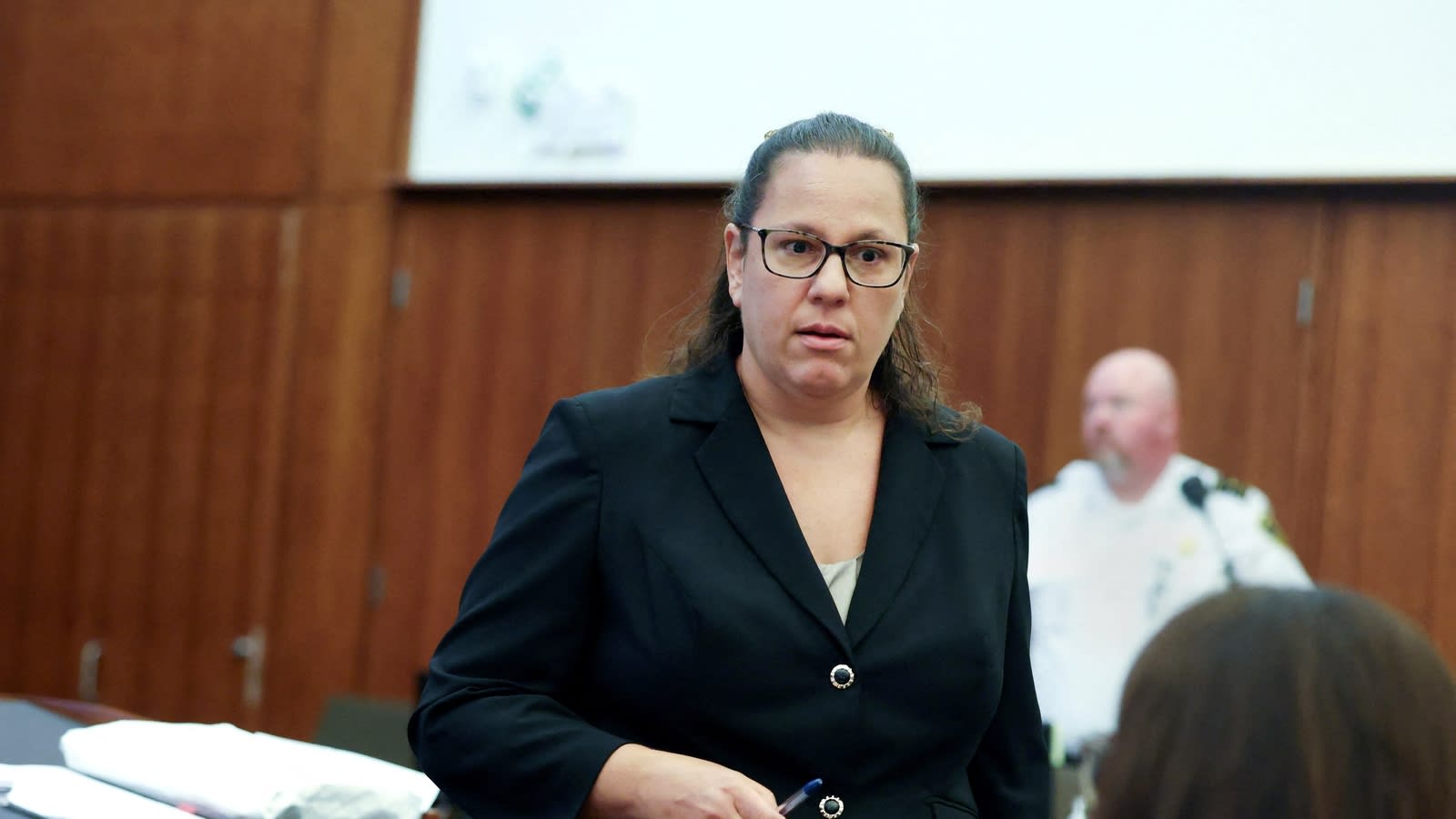
The murder trial of Lindsay Clancy has ignited a national conversation regarding postpartum psychosis and criminal responsibility. While prosecutors allege premeditation, the defense argues that severe mental health struggles rendered her not criminally responsible for the deaths of her three children.
The Tragic Case of Lindsay Clancy: Legal and Medical Perspectives
The ongoing murder trial of Lindsay Clancy, a Massachusetts labor and delivery nurse, has become a focal point for the intersection of severe mental health crises and the criminal justice system. In January 2023, Clancy strangled her three young children—Cora, 5; Dawson, 3; and Callan, 8 months—before attempting to take her own life by jumping from a second-story window. While the defense does not contest the physical acts committed, they argue that Clancy was suffering from postpartum psychosis, a rare and severe psychiatric condition, thereby absolving her of criminal responsibility.
The Complexity of Postpartum Psychosis
Postpartum psychosis represents a significant departure from the more common 'baby blues' or postpartum depression. It is a medical emergency characterized by delusions, hallucinations, and a loss of touch with reality. The defense's reliance on this diagnosis highlights the critical need for deeper public understanding of maternal mental health. Testimony presented during the trial indicates that Clancy had sought professional mental health assistance and was undergoing medication management in the months following the birth of her youngest child, Callan, suggesting a documented struggle to maintain stability.
Conflicting Narratives: Premeditation vs. Mental Health
Central to the prosecution's case is the assertion of "deliberate premeditation" and "extreme atrocity." Prosecutors have presented evidence, including personal notes written by Clancy in November 2022, just months before the tragedy. In these notes, Clancy expressed a desire for a fourth child but acknowledged the need for therapeutic support. While the prosecution views these entries as evidence of a functioning mind capable of planning, the defense maintains that these writings reflect a woman struggling to cope with the immense pressures of motherhood, ultimately succumbing to a psychotic break.
Public Perception and Social Media Dynamics
Unlike previous high-profile cases involving maternal filicide, such as those of Susan Smith or Casey Anthony, the public reaction to the Clancy trial has been notably polarized. A segment of the public and online observers has rallied to defend Clancy, viewing her as a victim of a healthcare system that failed to address the severity of her condition. Conversely, some legal analysts and critics have blasted the prosecution's handling of the case, leading to intense social media discourse regarding the ethics of pursuing a conviction against a defendant claiming severe mental illness.
Broader Implications and Future Trends
This trial serves as a stark reminder of the limitations of the current legal system in handling defendants suffering from postpartum-related psychiatric disorders. As the trial progresses, it will likely influence how future cases of postpartum psychosis are litigated and how society views the threshold of criminal responsibility. The outcome of the Clancy trial could set a significant precedent for how mental health professionals and the judicial system collaborate in cases where motherhood and severe mental instability collide.
Conclusion
Ultimately, the Lindsay Clancy trial is more than a criminal proceeding; it is a profound examination of maternal health, the gaps in psychiatric care, and the difficulty of assigning culpability when the mind is compromised. As the jury weighs the evidence of premeditation against the defense of mental illness, the final verdict will carry weight far beyond the courtroom, impacting the ongoing national conversation about the support systems available to mothers in crisis.
Verification Required?