Lindsay Clancy update: Key takeaways from testimony in 3rd week murder trial, ‘Controlling, manipulative behavior'
Source Entity
Latest News: Todays Latest News Headlines from India & World | Hindustan Times | Hindustan Times
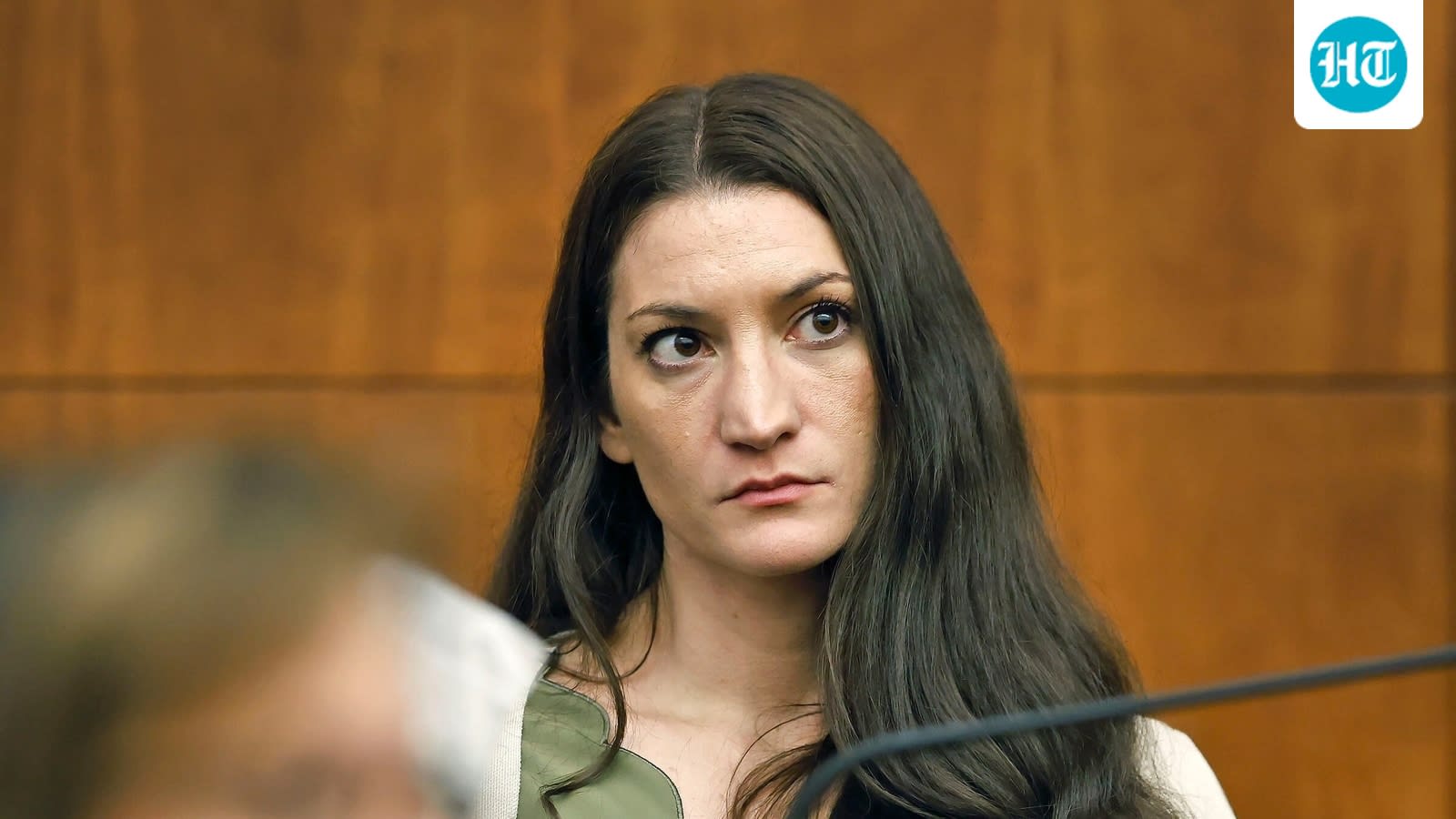
The murder trial of Lindsay Clancy has ignited a national conversation regarding postpartum psychosis and criminal responsibility. While the defense argues the mother suffered from a severe psychiatric break, prosecutors maintain the actions were premeditated.
The Tragic Case of Lindsay Clancy: Postpartum Psychosis on Trial
The ongoing murder trial of Lindsay Clancy has become a pivotal moment in the American legal and medical landscape, forcing a public reckoning with the realities of postpartum psychosis. Clancy, a former labor and delivery nurse from Duxbury, Massachusetts, stands accused of strangling her three children—Cora, 5; Dawson, 3; and Callan, 8 months—in January 2023. While the defense does not contest the physical act of the killings, they argue that she was suffering from a severe psychiatric condition that rendered her unable to appreciate the criminality of her actions.
The Intersection of Mental Health and Legal Responsibility
At the core of the defense's argument is the assertion that Clancy was experiencing postpartum psychosis, a rare but extreme psychiatric emergency that can occur after childbirth. Testimony provided during the trial suggests that Clancy had been actively seeking mental health support and was taking medication following the birth of her youngest son, Callan. This historical context of seeking help stands in stark contrast to the prosecution's narrative, which characterizes the events as deliberate and premeditated. The legal conflict hinges on whether the jury perceives her actions as the result of a medical crisis or as calculated, malicious behavior.
Contradictory Narratives and Personal Notes
The complexity of the trial was underscored by the recent disclosure of personal notes found on Clancy’s phone, written in November 2022—just two months before the tragedy. In these entries, Clancy expressed a desire for a fourth child, while simultaneously noting struggles with parenting Callan and acknowledging the need for better therapeutic support. These documents provide a window into her mindset, yet they remain open to interpretation: the defense views them as evidence of a woman struggling with her mental health, while prosecutors may utilize them to argue for a degree of cognitive awareness during the period leading up to the incident.
Public Perception and Social Media Dynamics
Unlike previous high-profile cases involving maternal filicide, such as those of Susan Smith or Casey Anthony, the Lindsay Clancy trial has generated a notable amount of public empathy on social media. Many observers have criticized the prosecution's tactics, suggesting that the state is overreaching or ignoring the medical nuances of postpartum health. This shift in public sentiment highlights a growing cultural awareness of maternal mental health, moving away from immediate condemnation toward a deeper, albeit contentious, discussion about the role of psychiatric illness in criminal culpability.
Broader Implications for Healthcare and Law
This case poses significant questions about how the legal system handles severe psychiatric breaks. If successful, the defense's plea of not guilty by reason of insanity could set a precedent for how postpartum psychosis is treated in courtrooms across the country. Conversely, a conviction would underscore the limitations of the current legal framework in recognizing the severity of postpartum psychiatric illnesses. As the trial proceeds, the medical and legal communities are watching closely to see how the court balances the tragic loss of three young lives with the clinical reality of a mother suffering from a profound mental health crisis.
Multiple Citing Sources
Verification Required?