LIV Golf files for Chapter 11 bankruptcy
Source Entity
US Top News and Analysis
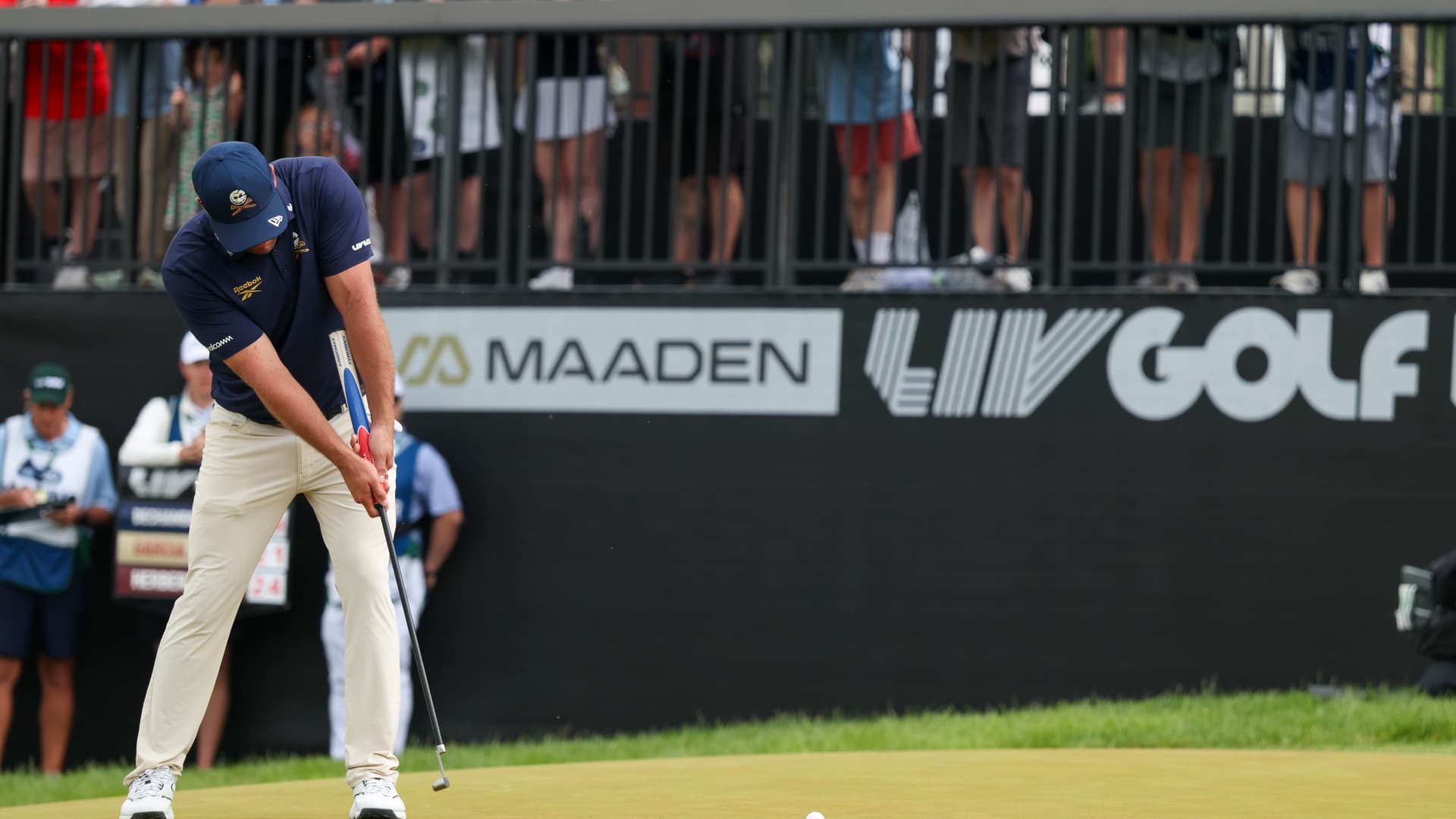
LIV Golf has filed for Chapter 11 bankruptcy following the withdrawal of Saudi PIF funding. The move allows the league to restructure, with stars like Jon Rahm and Bryson DeChambeau listed as major creditors.
The Collapse of the LIV Golf Funding Model
The landscape of professional golf has been fundamentally altered as LIV Golf officially filed for Chapter 11 bankruptcy protection in the United States Bankruptcy Court of New Jersey. This move follows the pivotal decision by Saudi Arabia’s Public Investment Fund (PIF) in April 2026 to withdraw its multibillion-dollar financial support, effectively triggering a funding cliff for the breakaway league. By seeking bankruptcy protection, the organization aims to preserve its business operations while navigating a precarious transition period.
Financial Fallout and Creditor Impact
The scale of the financial disruption is underscored by the list of top creditors revealed in court filings. High-profile stars Jon Rahm and Bryson DeChambeau are owed $7.5 million and $5.7 million, respectively, highlighting the significant outstanding liabilities owed to the league's marquee players. This filing serves as a stark acknowledgment that the initial business model—heavily reliant on sovereign wealth funding—has reached an unsustainable breaking point.
The Path to 'LIV 2.0'
Despite the bankruptcy declaration, LIV Golf has indicated an intent to restructure and launch a new, majority player-owned league early next year. The company has secured a new investor in BC Partners, which represents a major pivot in its corporate strategy. This transition is designed to facilitate the shift from a PIF-backed entity to a more autonomous model, though the success of this endeavor remains highly speculative given the current market climate.
Player Autonomy and Market Uncertainty
A critical component of this legal process is the newfound freedom granted to the league's roster. Because of the filing, all LIV Golf players are now effectively free to leave the organization. There is no contractual obligation for these athletes to commit to the proposed 'LIV 2.0' project, leaving the future composition of the league in significant doubt as players weigh their options in the broader professional golf ecosystem.
Future Implications for Professional Golf
The bankruptcy filing signals a period of extreme volatility for the sport. As LIV Golf enters the Chapter 11 process, it must balance its restructuring efforts with the need to retain top-tier talent. Whether the league can successfully reinvent itself under a new ownership structure or if this marks the beginning of the end for the breakaway circuit remains the central question for stakeholders in the professional golf world.