I Don't Have a Smartphone
Source Entity
Hacker News
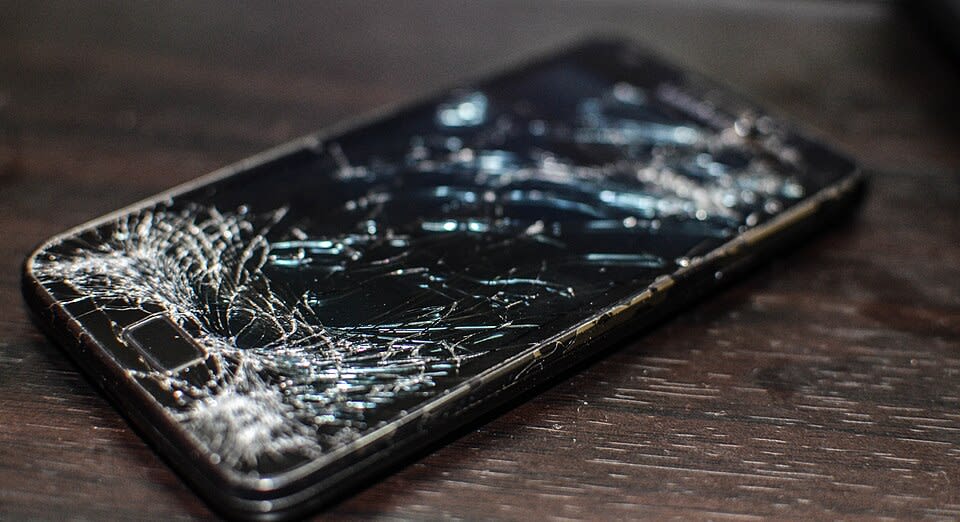
Author Ploum explores the growing friction between modern digital-only service requirements and the desire for a smartphone-free life. The narrative highlights the systemic pushback against mandatory app installations and QR-code dependencies in daily commerce.
The Digital Friction of a Smartphone-Free Life
In an era defined by ubiquitous connectivity, the declaration "I don't have a smartphone" has transitioned from a simple statement of fact to a form of social and logistical resistance. As outlined by author Ploum, this assertion serves as a deliberate strategy to circumvent the rising tide of mandatory digital integration. By opting out of the smartphone ecosystem, individuals are increasingly finding themselves at odds with a society that assumes every consumer possesses a high-end mobile device capable of running proprietary applications.
The Erosion of Analog Accessibility
The necessity of smartphones in modern daily life has reached a point where basic services, such as accessing a restaurant menu via a QR code, are becoming gatekept by digital requirements. This trend forces a dependency on American megacorporations whose software ecosystems govern how we interact with the physical world. For the user, this creates a significant barrier to entry, transforming simple transactions into complex, app-dependent hurdles that exclude those who prioritize digital privacy or intentional minimalism.
Consumer Autonomy and Corporate Overreach
Beyond mere inconvenience, there is a fundamental question of consumer autonomy. When purchasing goods—ranging from simple kitchen appliances to complex automotive machinery—buyers are increasingly forced to verify that these products can function independently of invasive companion apps. The modern consumer experience is being restructured to prioritize the data-harvesting capabilities of mobile software over the functional utility of the product itself, leading to a climate where "smart" features often feel like mandatory surveillance.
The Social and Professional Cost of Disconnection
Using the phrase "I don't have a smartphone" acts as a social firewall. It is a tool used to force professionals and service providers to accommodate non-digital alternatives, effectively pushing back against the expectation that every individual is permanently tethered to a digital interface. While this approach can be effective in maintaining one's independence, it underscores the systemic pressure applied to individuals to conform to a hyper-connected, app-driven societal model.
Future Trends in Digital Minimalism
Looking ahead, we can expect the tension between "smart" infrastructure and the right to analog access to grow. As corporations continue to push for app-only ecosystems, movements advocating for the "right to repair" and the "right to offline access" will likely gain momentum. The future of consumer rights may hinge on whether companies are forced to provide interoperable, non-digital pathways for users who refuse to be shackled to the smartphone-centric paradigm.
Conclusion
The choice to live without a smartphone is no longer just a personal preference; it is a political and social statement against the unchecked expansion of digital gatekeeping. As the reliance on proprietary apps increases, the ability to opt-out remains a critical check on corporate overreach, ensuring that technology serves the consumer rather than the other way around.