Lloyds Bank to cut £2bn in costs as part of AI-powered strategy
Source Entity
Kalyeena Makortoff Banking correspondent
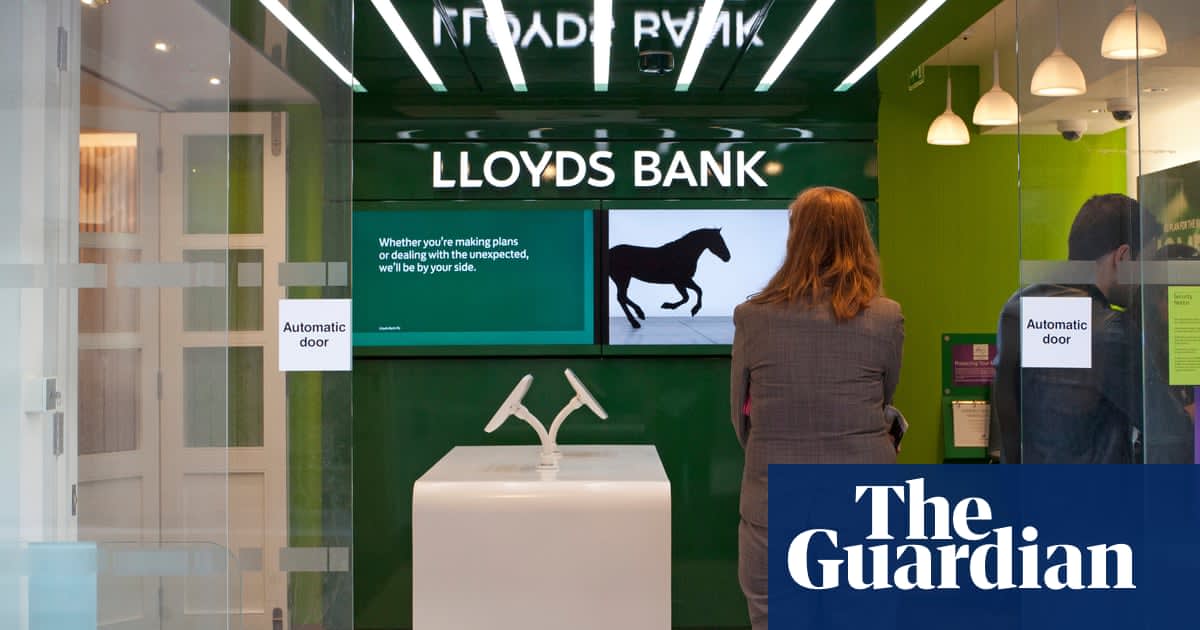
Lloyds Banking Group is set to implement a £2bn cost-cutting strategy driven by a £13bn investment in AI and digital technology. The plan aims to enhance efficiency, personalize customer offerings, and boost shareholder returns by 2030.
Lloyds Bank Targets £2bn in Cost Reductions via AI Transformation
Lloyds Banking Group, the United Kingdom’s largest high street lender, has unveiled a significant strategic pivot aimed at modernizing its operations through aggressive cost-cutting and technological integration. Under the leadership of Chief Executive Charlie Nunn, the bank plans to reduce operational costs by £2 billion over the next four years. This initiative is not merely a downsizing effort but a fundamental shift toward an AI-centric operational model designed to streamline internal processes and drive sustainable growth in a competitive financial landscape.
Strategic Investment and Long-term Vision
The scale of this transformation is anchored by a massive £13 billion capital commitment earmarked for investment by 2030. This funding is directed toward "pioneering technology" that aims to redefine how the bank interacts with its client base. By prioritizing efficiency, Lloyds intends to not only improve its bottom line but also to increase payouts for its shareholders, signaling confidence in the long-term value creation potential of its digital-first strategy.
The Role of AI in Customer Engagement
A centerpiece of this strategy is the integration of "AI-powered advice" specifically tailored for wealth management and workplace pensions. By leveraging machine learning, the bank intends to provide personalized offers based on granular analysis of customer behavior. This shift represents a move away from generic banking products toward a more bespoke, data-driven experience that anticipates individual financial needs, thereby deepening customer retention and loyalty.
Empowering Relationship Managers
Beyond direct customer-facing tools, Lloyds plans to utilize AI to augment the capabilities of its human workforce. Relationship managers, who are tasked with overseeing specific high-value accounts, will receive AI-driven support and guidance. This collaborative approach aims to simplify the increasingly complex services that staff currently manage, allowing employees to focus on high-level advisory tasks while the technology handles data synthesis and administrative complexity.
Future Implications for the Banking Sector
The strategy announced by Charlie Nunn reflects a broader trend in the global financial services industry: the transition from traditional branch-heavy banking to digital-first ecosystems. As Lloyds prepares to launch this strategy in January, the industry will be watching closely to see if AI can effectively reduce operational friction while maintaining the trust and human touch required in wealth management. If successful, this model could set a new benchmark for how legacy institutions balance cost-efficiency with digital innovation.