Memories of Partition from a railway station in Delhi
Source Entity
Vivek Shukla
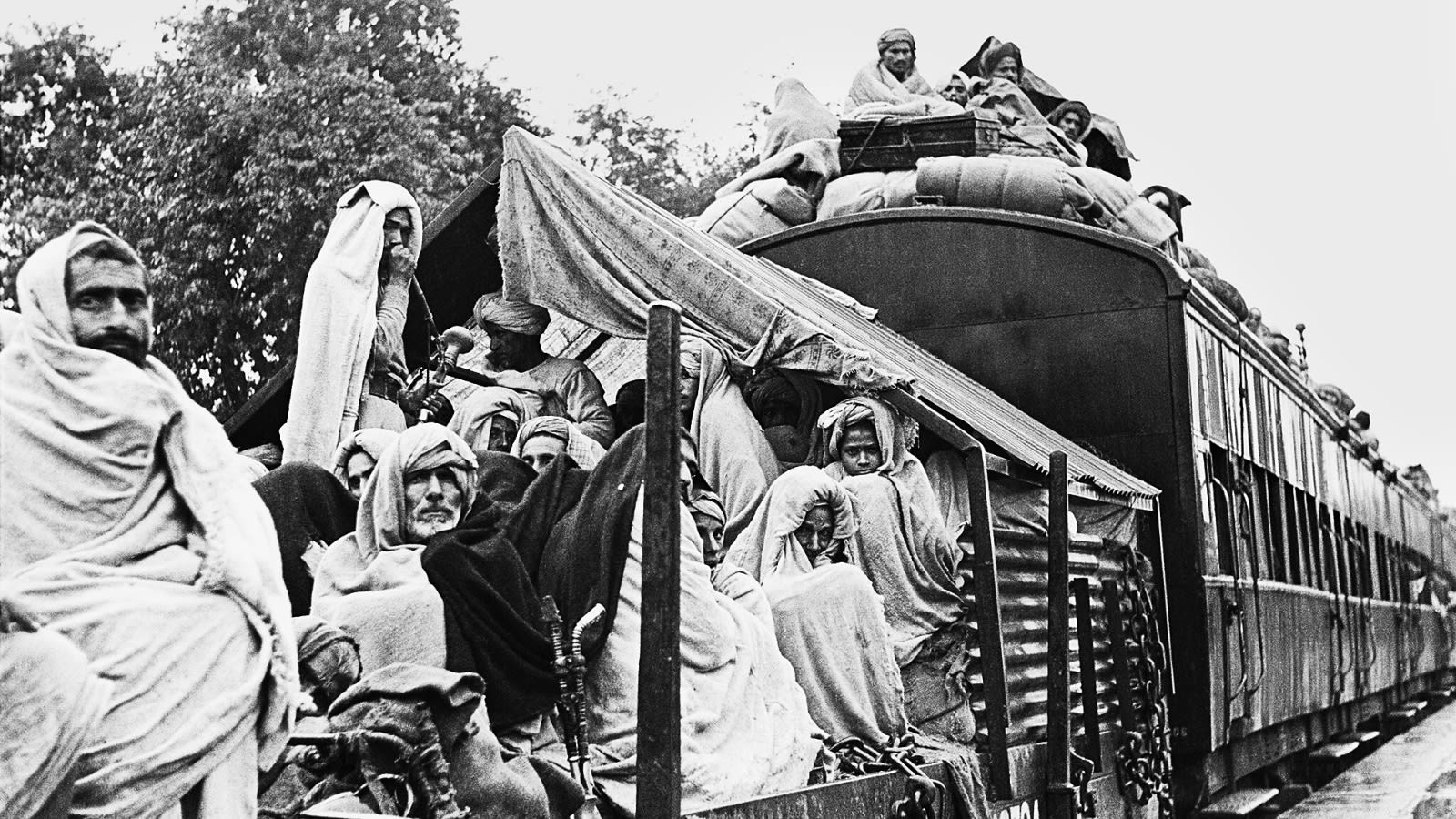
Lodhi Colony Railway Station in Delhi serves as a poignant, silent monument to the trauma of the 1947 Partition. The station carries historical significance as a departure point for families migrating to Pakistan, including the family of cricketer Sikander Bakht.
The Echoes of 1947: Lodhi Colony Station's Silent Witness
Located away from the bustling thoroughfares of Delhi, the Lodhi Colony Railway Station stands as a somber relic of a transformative era in South Asian history. While modern commuters may pass by it as a minor transit point, the atmosphere of the station is defined by a palpable, lingering silence. This melancholy serves as an architectural memory of the 1947 Partition, a period that fundamentally reshaped the demographic and psychological landscape of the Indian subcontinent.
A Gateway of Departure and Loss
During the chaotic and violent months of the Partition, this station functioned as a critical conduit for those forced to leave their ancestral homes. The platform witnessed the heart-wrenching scenes of thousands of Muslim families saying farewell to their homeland. For many, these departures were not temporary; they were final, permanent severances from the lives, businesses, and communities they had cultivated over generations. The regular train service to Lahore, which operated from this station, became the final link between a life left behind and an uncertain future across the new border.
Personal Histories and the Cricket Connection
Among the countless families who traversed this station was that of Jawan Bakht, the father of the renowned Pakistani cricketer and commentator Sikander Bakht. Jawan Bakht’s life in Delhi—marked by his residence in the Karol Bagh neighborhood and his academic tenure at the prestigious St. Stephen’s College—illustrates the deep-rooted connections many migrants had with the city before the political division. The transition from a student in Delhi to a migrant bound for Pakistan highlights the profound personal toll of the Partition on families who were deeply integrated into Indian society.
Historical Context of the Migration
The story of the Bakht family is emblematic of the broader migration patterns of 1947. The movement of families from Delhi to Lahore was not merely a relocation; it was a traumatic displacement that severed ties to intellectual and social institutions like St. Stephen’s. The fact that the station is still associated with this specific history underscores how physical infrastructure in Delhi continues to bear the invisible scars of the mass migration that followed the dissolution of British rule.
The Lingering Legacy of Partition
Today, the Lodhi Colony Railway Station remains a site of quiet contemplation. It serves as a reminder that the history of Partition is not found only in official archives or textbooks, but in the very infrastructure of cities like Delhi. By preserving the memory of those who departed from these platforms, we gain a deeper understanding of the human cost of political borders. The silence at the station today is a testament to the resilience of those who left and the enduring, if somber, legacy they left behind in the heart of Delhi.