Logitech launches MX Keypad in India, offering programmable keys for coding tools and AI workflows, priced at ₹15,999
Source Entity
Latest News: Todays Latest News Headlines from India & World | Hindustan Times | Hindustan Times
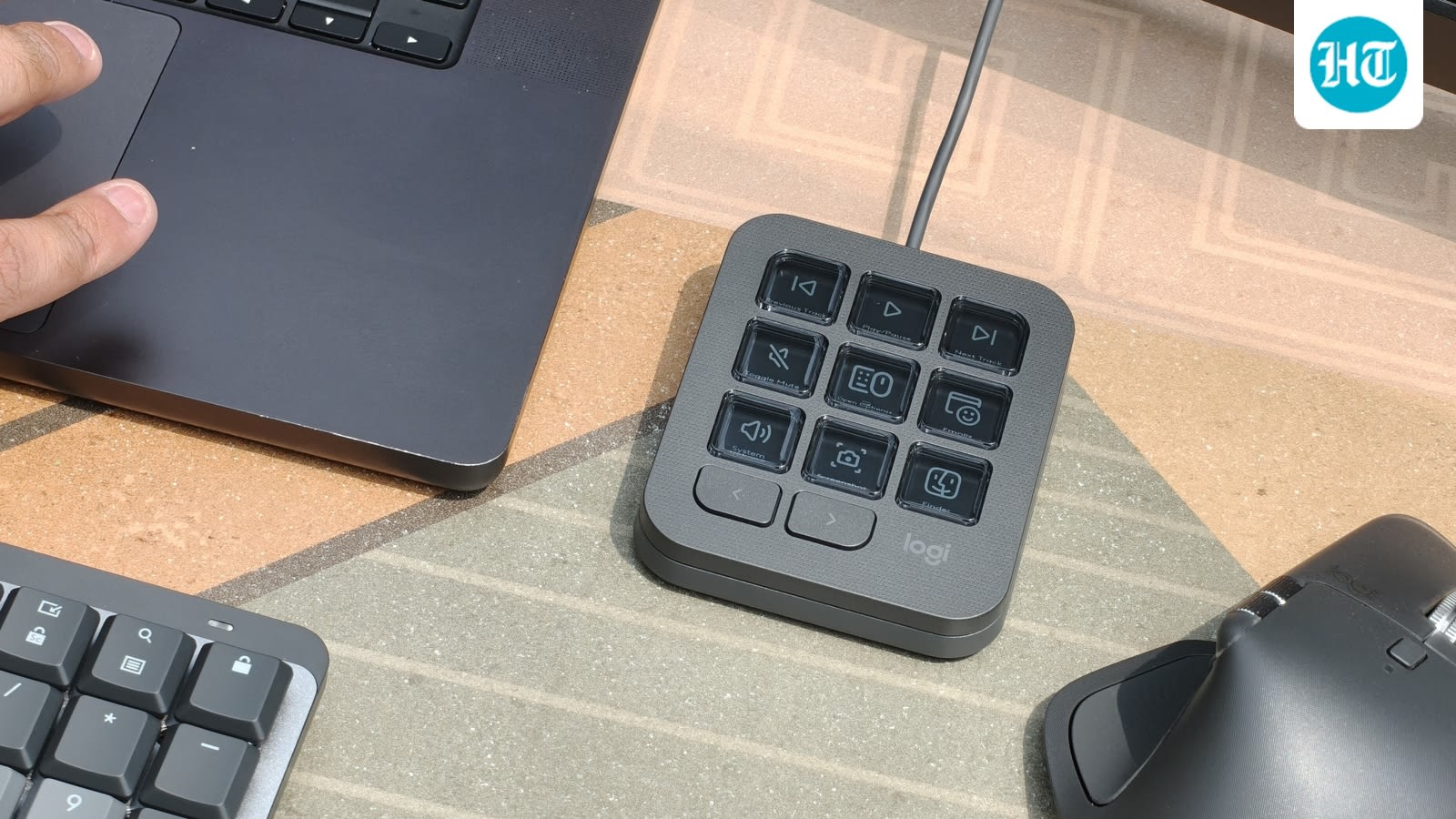
Logitech has launched its specialized MX Keypad in India, priced at ₹15,999, designed to streamline workflows for developers and power users. The device features physical programmable keys that integrate directly with coding tools and AI assistants like Claude Code and OpenAI Codex.
Logitech's Strategic Expansion into the Developer Productivity Market
Logitech’s recent launch of the MX Keypad in India, priced at ₹15,999, marks a significant shift in how the company targets professional power users. By introducing a dedicated hardware peripheral for coding and AI-driven workflows, Logitech is moving beyond traditional office peripherals to address the specific ergonomic and efficiency needs of developers and technical creators. This device acts as a physical bridge between complex software environments and the user, aiming to reduce the friction caused by repetitive digital tasks.
Physical Controls for Digital Efficiency
The core value proposition of the MX Keypad lies in its departure from software-only shortcuts. While many developers rely on keyboard hotkeys or software macros, these methods can often lead to 'context switching' fatigue. By providing physical, tactile controls that sit alongside a standard keyboard, Logitech allows users to map high-frequency commands to dedicated buttons. This physical mapping is designed to lower the cognitive load required to execute complex operations, effectively creating a hardware-assisted workflow that is both intuitive and immediate.
Integration with AI and Development Ecosystems
Perhaps the most notable aspect of the MX Keypad is its native support for modern artificial intelligence tools. With pre-built plugins for platforms like Claude Code and OpenAI Codex, the keypad acknowledges the changing nature of software development. As AI assistants become a standard part of the coding process, the ability to trigger these tools via a dedicated physical key rather than a series of menus or typed commands represents a leap in developer ergonomics. This integration is further bolstered by Logitech’s SDK, which empowers developers to build custom integrations tailored to their specific toolchains.
Targeted Utility for Power Users
Logitech has explicitly positioned this product for 'power users,' a segment that includes software engineers, data scientists, and digital creators who spend long hours navigating complex interfaces. By offering a customizable interface, the company is catering to the need for granular control. The device is not intended to replace the primary input method but rather to augment it, serving as a specialized control deck that simplifies the most cumbersome parts of a developer's daily routine.
Future Trends in Peripheral Hardware
The launch of the MX Keypad suggests a broader industry trend toward 'context-aware' hardware. As AI becomes more deeply embedded in professional workflows, the demand for physical devices that can interact with these models will likely grow. Logitech is positioning itself as a leader in this space by standardizing how hardware interacts with software development platforms. This move suggests that future peripheral design will prioritize modularity and customizability to match the diverse needs of modern technical professionals.
Conclusion
In summary, the introduction of the MX Keypad in the Indian market represents a strategic investment in the productivity of the professional developer community. By combining physical durability with deep software integration—specifically for AI tools—Logitech has created a tool that addresses the bottleneck of repetitive digital actions. As developers continue to integrate AI into their core operations, hardware solutions that provide tangible control over these virtual processes will likely become an essential component of the high-performance workstation.
Verification Required?