Tim Cook never wanted to be like Steve Jobs: ‘I've tried to be best Tim Cook I can be’
Source Entity
TOI TECH DESK
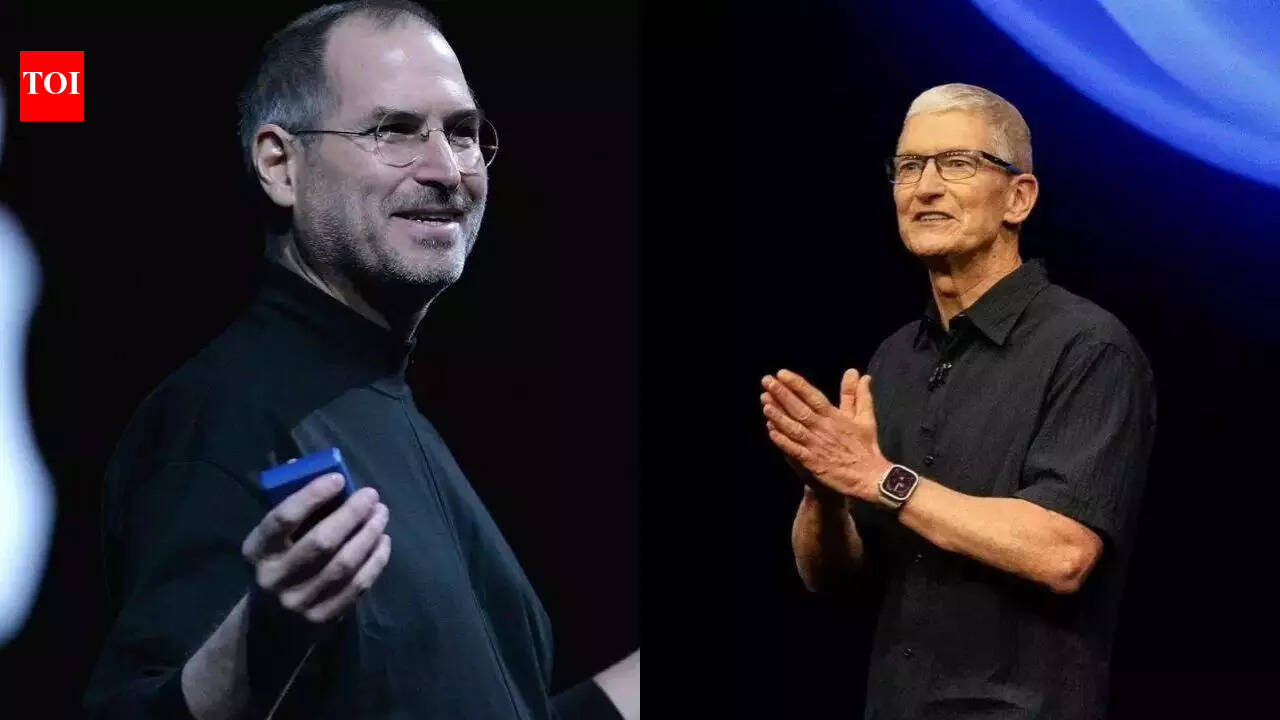
Tim Cook reflects on his transition to Apple CEO following Steve Jobs' 2011 request. He emphasizes his commitment to maintaining his own leadership style rather than imitating his predecessor.
The Stewardship of Apple: Defining a Leadership Legacy
In August 2011, a pivotal moment in corporate history occurred when Steve Jobs, facing declining health, reached out to Tim Cook with an urgent request to formalize a leadership transition. This transition was not merely a change of personnel; it marked a fundamental shift in the identity of one of the world's most influential technology companies. By nominating Cook as his successor, Jobs demonstrated a profound trust in a leadership style that he knew was distinct from his own.
Embracing Authenticity Over Imitation
Tim Cook has been remarkably transparent about his philosophy regarding this succession. He has explicitly stated that he never harbored the objective of being like Steve Jobs. In a corporate culture often obsessed with emulating legendary founders, Cook’s decision to remain authentic to his own personality represents a deliberate choice. He has consistently noted that his goal has been to be the 'best Tim Cook' he could be, rather than a shadow of the visionary who preceded him.
The Strategic Value of Differences
Jobs’ confidence in Cook was rooted in the recognition of their differences. While Jobs was known for his singular, product-centric vision and often volatile creative intensity, Cook brought a background in supply chain management, operational efficiency, and a more measured, collaborative approach to management. This contrast proved to be a strategic advantage for Apple, allowing the company to scale its operations globally while maintaining the high standards of design and innovation that Jobs had established.
Navigating the Post-Founder Era
The transition from a founder-led company to a professional management structure is one of the most difficult challenges in business. Many firms falter when the charismatic force behind the brand departs. However, by acknowledging that he was not Jobs, Cook was able to foster a leadership environment where Apple’s institutional knowledge could thrive without relying on a singular personality. This approach provided the stability necessary for Apple to expand into new markets and product categories during the post-2011 era.
Long-term Implications for Corporate Culture
Cook’s tenure has demonstrated that a successor’s success is often predicated on their ability to evolve the company's culture while respecting its core values. By focusing on his own strengths, Cook has allowed Apple to mature into a different kind of entity—one that is highly disciplined and operationally resilient. His refusal to mimic Jobs has arguably allowed Apple to survive and flourish in a market that has become significantly more complex and competitive than it was in the early 2000s.
Concluding Perspectives on Leadership
The narrative of Apple’s leadership transition serves as a masterclass in executive succession. It highlights that true leadership is not about replication, but about adaptation. By embracing his unique identity, Tim Cook has ensured that Apple remains a powerhouse, proving that the best way to honor a predecessor's legacy is to build a distinct path forward, rooted in one's own values and capabilities.