Lok Sabha Passes Bill To Set Up Panel To Appoint Chiefs, Members Of Tribunals
Source Entity
NDTV News Search Records Found 1000
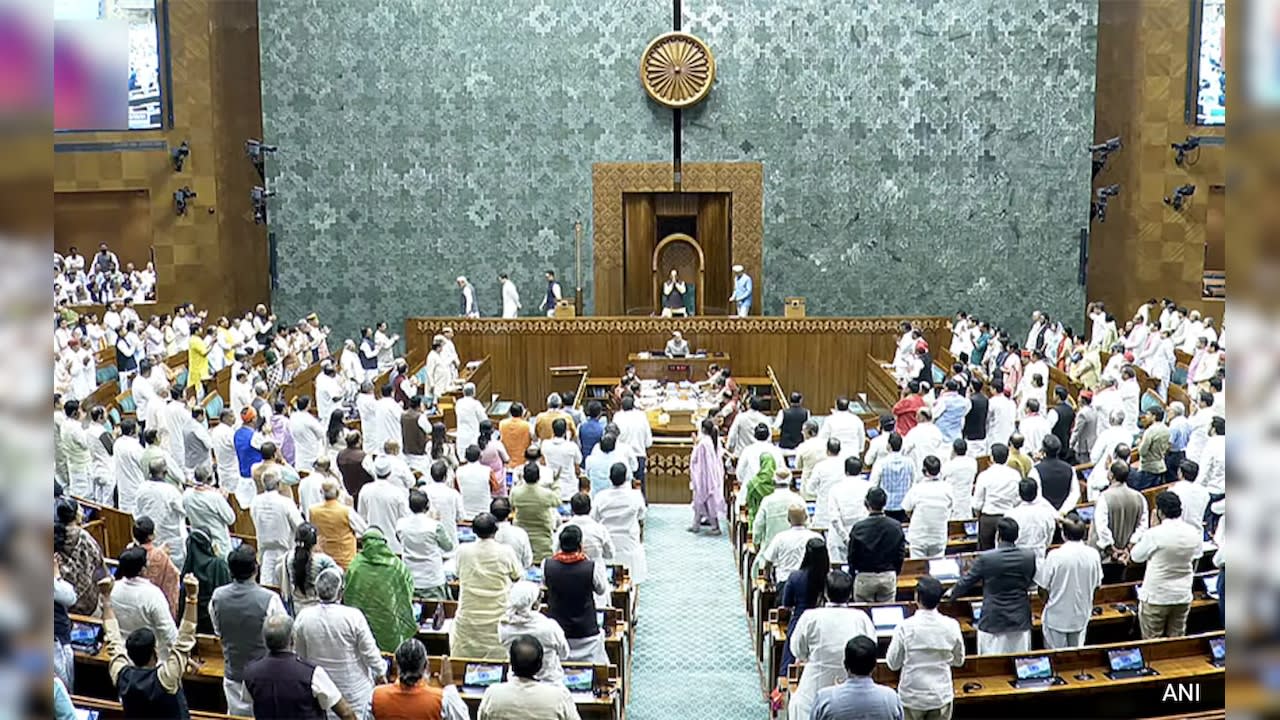
The Lok Sabha has passed the Tribunals Reforms Bill, 2026, to establish a National Tribunals Commission. The legislation aims to streamline tribunal appointments despite being passed amid significant parliamentary unrest.
Legislative Overhaul: The Tribunals Reforms Bill, 2026
On August 10, 2026, the Lok Sabha passed the Tribunals Reforms Bill, 2026, a significant legislative move aimed at restructuring the oversight and appointment processes for various tribunals across India. Introduced by Law Minister Arjun Ram Meghwal, the Bill facilitates the creation of a National Tribunals Commission (NTC). The primary stated objective of this new framework is to instill greater efficiency, transparency, and uniformity in the selection of chairpersons and members, addressing long-standing concerns regarding the governance of these quasi-judicial bodies.
The Context of Parliamentary Disruption
The passage of this Bill occurred under highly volatile circumstances. The proceedings were characterized by a lack of formal debate, as the legislative body operated amidst persistent protests from the Opposition. These protests were not directly related to the Bill itself, but were centered on demands for Union Home Minister Amit Shah to address the House regarding a police crackdown on students. The students had been protesting in New Delhi on July 20 against alleged examination paper leaks, creating a tense political atmosphere that permeated the Monsoon Session.
Mechanics of the National Tribunals Commission
The core of the new legislation lies in the establishment of the National Tribunals Commission. By providing a formal structural framework for the commission, the government intends to shift from ad-hoc appointment methods to a more institutionalized approach. This shift is designed to ensure that the appointment of adjudicators is governed by clear, uniform qualifications, thereby aiming to bolster the independence of these bodies, which play a crucial role in reducing the burden on the traditional court system.
Legislative Process and Opposition Stance
Despite the Opposition having submitted formal notices to oppose the introduction of the Bill, they ultimately chose not to speak during the session. The Bill was passed via a voice vote amidst the din of the ongoing protests. This procedural outcome highlights the current state of legislative engagement in the Lok Sabha, where significant policy shifts are being finalized even while the broader political discourse remains focused on separate, high-stakes grievances involving executive accountability.
Broader Implications and Future Outlook
The transition to the new framework, once the Bill is passed by both Houses and enacted, will lead to the repeal of the existing Tribunals Act. This represents a fundamental change in the administrative landscape of Indian justice delivery. By standardizing the appointment process, the government hopes to minimize legal challenges regarding tribunal composition. However, the future success of the National Tribunals Commission will depend heavily on its operational autonomy and whether it can successfully balance executive oversight with the judicial independence necessary for fair adjudication.
Verification Required?