Amid Opposition protests, House clears Bill criminalising insult to Vande Mataram
Source Entity
Deeptiman Tiwary
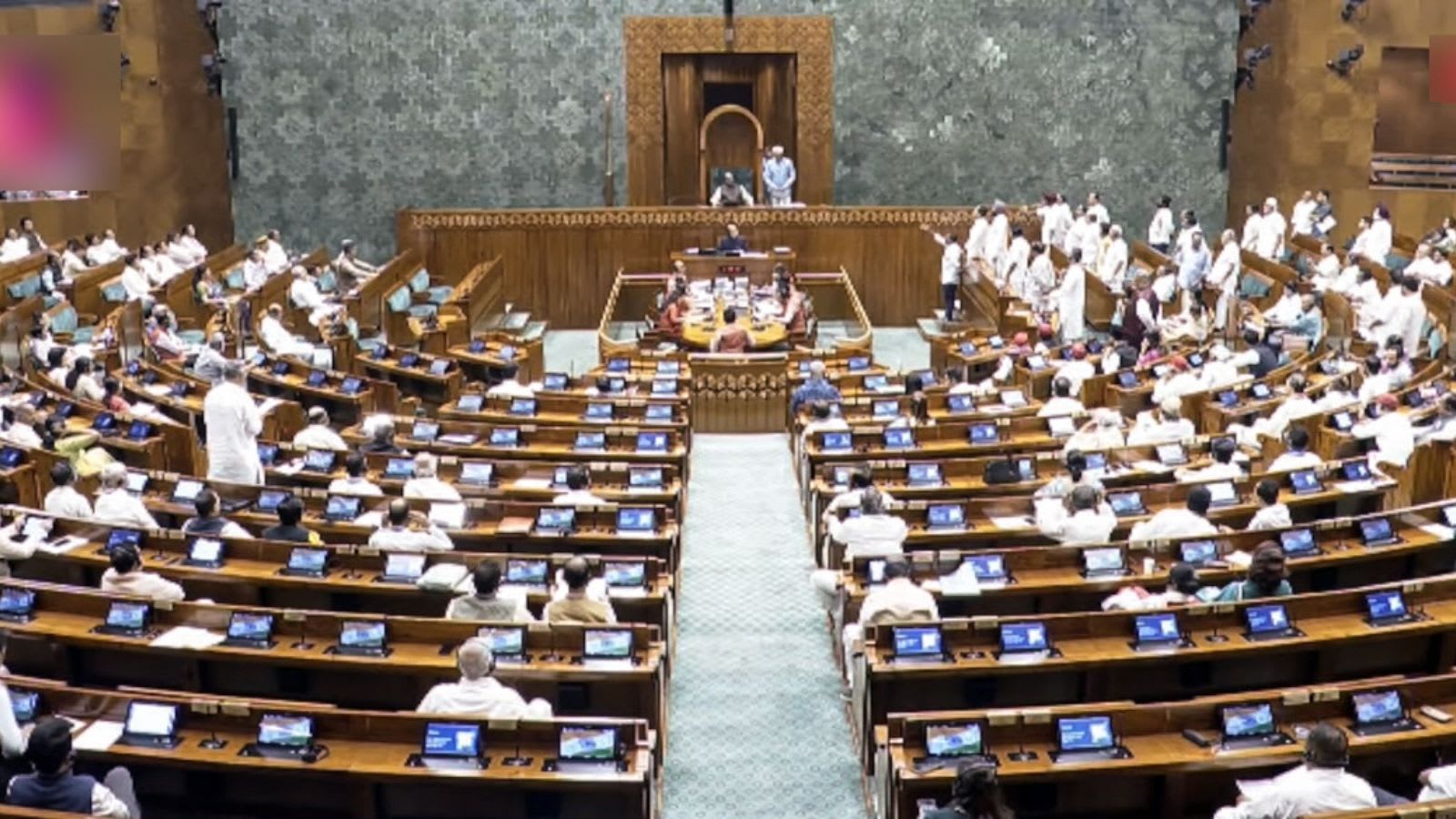
The Lok Sabha has passed the Prevention of Insults to National Honour (Amendment) Bill, 2026, criminalizing intentional insults to Vande Mataram. The passage occurred amid intense Opposition protests and walkouts, reflecting deep ideological divisions in Parliament.
Legislative Milestone Amidst Political Turmoil
On July 30, 2026, the Lok Sabha passed the Prevention of Insults to National Honour (Amendment) Bill, 2026, a significant piece of legislation aimed at criminalizing intentional insults to the national song, Vande Mataram. This development follows the bill's prior clearance in the Rajya Sabha, marking its successful passage through both houses of Parliament. The government has framed this legislative act as a necessary step to grant the national song the formal respect it deserves, reinforcing national identity through legal protections.
The Context of Parliamentary Disruption
The passage of the Bill was far from a consensus-driven event. It occurred during a highly volatile Monsoon Session, characterized by repeated adjournments and persistent protests from the Opposition. While the ruling government pushed for the Bill's swift adoption, Opposition members, including those from the Congress and Samajwadi Party, engaged in sustained sloganeering from the Well of the House. These protests were reportedly fueled by broader grievances, including concerns over alleged police excesses at Jantar Mantar and controversies surrounding the Ram Temple donation theft row.
Ideological Confrontation in the House
The legislative process was marked by a sharp ideological divide. While the government maintained that the Bill serves the national interest, the DMK—the only Opposition party to participate in the truncated 15-minute debate—vehemently opposed the measure. DMK MP A. Raja characterized the Bill as a reflection of a "communal outlook," arguing that it masks a broader Hindutva agenda under the guise of nationalism. This tension reached a boiling point when A. Raja tore a document and threw it toward the Well of the House, symbolizing the depth of the Opposition's frustration with the legislative process.
Procedural Concerns and Democratic Discourse
A critical point of contention regarding this legislation is the speed at which it was enacted. The Bill was cleared in approximately 15 minutes during a post-lunch sitting, with the government rejecting all proposed Opposition amendments via a voice vote. Critics argue that such rapid passage, occurring amidst significant "din" and parliamentary disruption, undermines the spirit of democratic deliberation. By bypassing a more comprehensive debate, the government has ensured the Bill's passage while simultaneously deepening the existing rift with the Opposition.
Broader Implications and Future Trends
The criminalization of insults to Vande Mataram reflects a growing trend in Indian politics toward using legislative instruments to codify patriotic symbols and values. As the government continues to prioritize these nationalist legislative agendas, the political landscape is likely to remain polarized. Future sessions of Parliament may face similar challenges, where the government's push for ideological legislation clashes with an increasingly vocal and confrontational Opposition. This trajectory suggests that symbolic issues will continue to dominate the legislative agenda, potentially at the cost of broader parliamentary consensus on social and economic governance.
Multiple Citing Sources