‘We should all be worried’: calls grow to limit London rollout of robotaxis
Source Entity
Gwyn Topham Transport correspondent
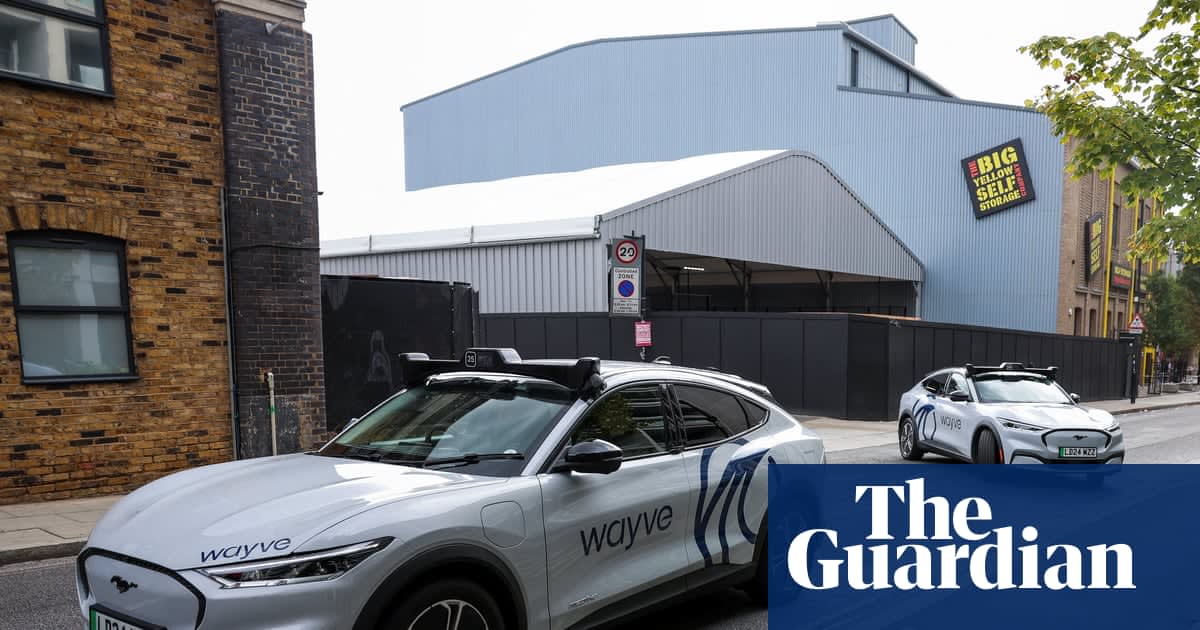
London's recent robotaxi rollout has triggered a significant backlash from drivers and politicians concerned about job security and regulatory oversight. With 100,000 people on the waitlist, the divide between consumer demand and labor anxiety highlights the complex challenges of autonomous vehicle integration.
The Autonomous Shift: London's Robotaxi Controversy
The introduction of robotaxis to London streets marks a pivotal moment for urban transportation in the United Kingdom. Following the launch of services in September, the demand from the public has been immediate and immense, evidenced by the 100,000 individuals currently on Uber’s waitlist. This surge in consumer interest signals a strong appetite for autonomous mobility solutions, positioning London as a key testing ground for the future of transportation technology.
The Human Cost and Labor Anxiety
Despite the technological allure, the deployment has ignited deep-seated fears among professional drivers. Florentina Ghiuzan, an Uber driver from Essex, articulates a sentiment shared by many in the industry: that the rapid integration of these vehicles lacks a corresponding solution for human workers. The fear is not merely about the novelty of the technology, but the structural threat it poses to the livelihoods of thousands who have historically provided essential transport services in the capital.
Regulatory Scrutiny and Political Backlash
Transport for London (TfL) now finds itself at the center of a brewing political storm. The decision to permit the rollout so quickly has drawn intense criticism from politicians who argue that the regulatory framework may be insufficient. A critical report has emerged demanding that TfL be granted full, robust powers to permit or suspend these operations at will, indicating a growing legislative push to prioritize public safety and labor stability over rapid innovation.
The Rise of Organized Protest
The tension between innovation and workforce protection is manifesting in tangible action. Drivers are planning to stage protests outside the headquarters and depot of Wayve, the company partnering with Uber to provide these autonomous services. These demonstrations serve as a physical manifestation of the industry's anxiety, highlighting that the transition to automation is not just a technical challenge, but a deeply social and political one.
Future Implications for Urban Mobility
Looking ahead, the London case study serves as a bellwether for global metropolitan areas. The friction between Wayve’s technological ambitions and the existing labor landscape suggests that the rollout of robotaxis will likely be slowed by regulatory hurdles and public pressure. As cities worldwide watch this development, the path to autonomous adoption will clearly require more than just engineering success; it will demand a comprehensive social contract that addresses the economic displacement of workers while managing the high expectations of the commuting public.