Past fires suggest effects of Europe and North America wildfires may linger for years
Source Entity
Oliver Milman
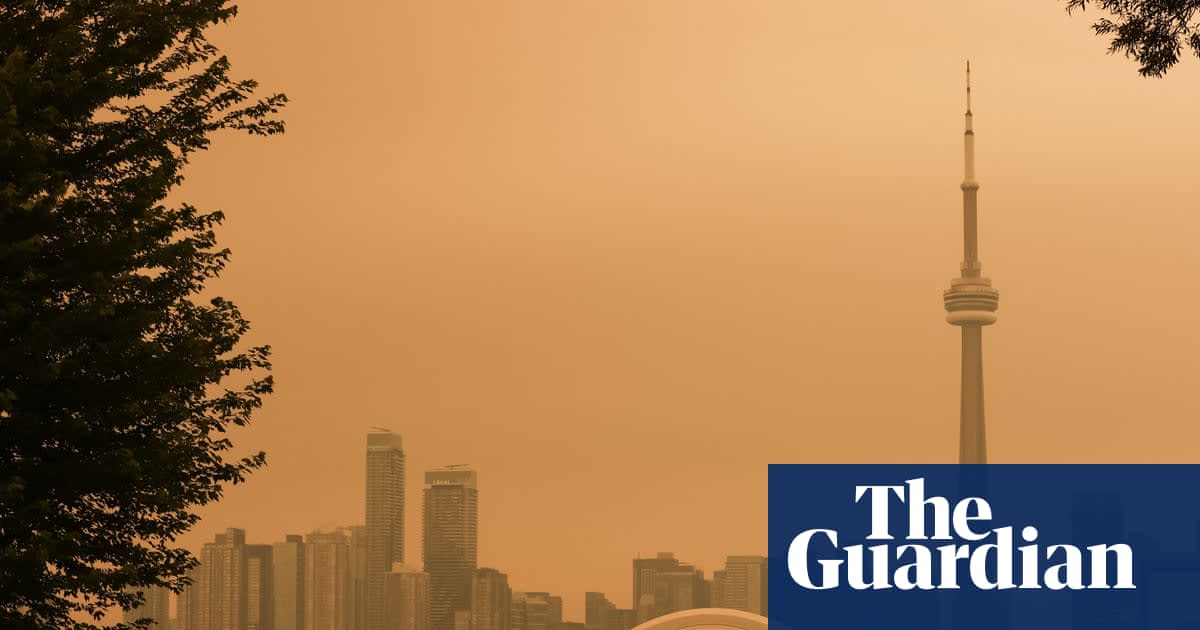
Recent catastrophic wildfires across North America and Europe are being exacerbated by the ongoing climate crisis. Historical data indicates that the environmental and public health impacts of these fires will likely persist for years.
The Lingering Legacy of Global Wildfires
Recent reports confirm a surge in ferocious wildfires across North America and Europe, events that are increasingly identified as direct manifestations of the escalating climate crisis. These blazes have not only incinerated vast tracts of forest and residential homes but have also necessitated the mass evacuation of thousands of residents. While the immediate destruction is visible and visceral, the long-term consequences of these infernos are projected to endure far beyond the containment of the flames themselves.
The Boreal Forest Crisis and Atmospheric Impact
In Canada, the situation has reached a critical threshold, with nearly 1,000 fires actively burning within the boreal forests. The scale of this disaster has had a cross-border impact, as toxic smoke plumes have drifted into major metropolitan areas in both Canada and the United States. This atmospheric pollution has triggered significant political friction, exemplified by Donald Trump’s rhetoric accusing Canada of "poisoning" the air, highlighting how climate-driven environmental disasters can quickly become points of geopolitical contention and domestic political theater.
Heatwaves and Environmental Desiccation
The United States is simultaneously grappling with its own wildfire outbreaks, a situation compounded by the nation’s third major heatwave within a single month. This extreme heat has severely dried out already parched vegetation, creating a landscape that is highly susceptible to ignition. These "lightening-sparked" fires are becoming more frequent and intense, creating a cycle where heat drives fire, and the resulting environmental degradation creates conditions for future outbreaks.
Historical Precedents for Long-Term Recovery
Historical analysis of previous wildfire seasons serves as a cautionary tale for the current crisis. Data suggests that the ecological and social impacts of these blazes are not temporary; rather, they linger for years. From the loss of carbon-sequestering forests to the long-term health implications of prolonged exposure to wildfire smoke, the "temporary" nature of these events is a misconception that overlooks the depth of the recovery process required for affected regions.
Future Trends and Policy Implications
Looking ahead, the intersection of climate change and wildfire frequency suggests a future where these events become the new normal. The combination of parched landscapes, human-induced environmental shifts, and the inability to quickly recover forest cover indicates that infrastructure and public health systems will remain under sustained pressure. Policymakers will likely need to shift focus from reactive emergency management to long-term adaptation strategies that address both the atmospheric consequences and the systemic risk of wildfire vulnerability.
Conclusion
The current wildfire crisis is a multifaceted challenge that transcends borders and immediate firefighting efforts. By understanding that these fires are fueled by a broader climate crisis, it becomes clear that the path to resilience requires addressing the underlying environmental drivers. As the smoke clears from current events, the focus must remain on the long-term recovery of affected communities and the mitigation of future fire hazards.