Lucid stock plunges 55% after report says EV maker may file for bankruptcy
Source Entity
Latest News: Today's Latest News Headlines from India & World | Hindustan Times | Hindustan Times
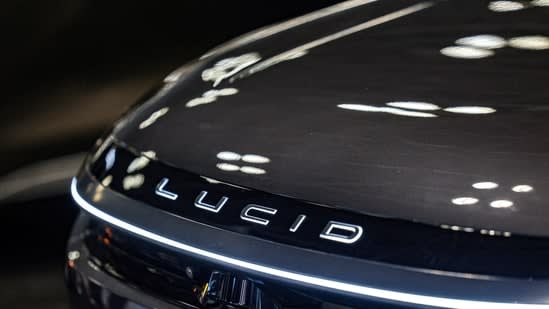
Lucid stock experienced a massive 55% decline following reports that the electric vehicle manufacturer is weighing options between filing for bankruptcy or transitioning to a private company.
Market Shock: Lucid's Financial Stability Under Scrutiny
In a sudden and devastating blow to investor confidence, Lucid's stock price plummeted by 55% following reports that the luxury electric vehicle (EV) manufacturer is considering two drastic paths: filing for bankruptcy or taking the company private. This precipitous drop reflects an immediate market reaction to the perceived fragility of Lucid's balance sheet and the growing skepticism regarding the long-term viability of high-end EV startups in an increasingly hostile economic environment. The scale of the plunge suggests that shareholders are pricing in a high probability of significant equity devaluation or total loss.
The Dilemma: Bankruptcy vs. Privatization
The reports suggesting a potential bankruptcy filing point to a critical liquidity crisis. For a capital-intensive business like automotive manufacturing, the 'cash burn' rate is often the primary metric of survival. If Lucid is indeed considering bankruptcy, it indicates that its operational costs and R&D expenditures have outpaced its revenue growth and available capital reserves. Conversely, the option to go private is often a strategic move to shield a company from the volatility of public markets and the relentless pressure of quarterly earnings reports. By transitioning to a private entity, Lucid could potentially restructure its debts and pivot its business model away from the public eye, though this typically requires a massive infusion of capital from a majority stakeholder.
Historical Context of the 'EV Winter'
This crisis does not exist in a vacuum but is part of a broader 'EV winter' affecting the global automotive industry. Historically, the period between 2020 and 2022 saw a speculative bubble in EV stocks, driven by low interest rates and optimistic projections of rapid consumer adoption. However, as interest rates rose, the cost of capital increased, and consumer demand for luxury EVs softened. Lucid, which positioned itself at the ultra-premium end of the market, has struggled to scale production and find a broad customer base. The company's struggle mirrors that of other EV pioneers who found that engineering a superior vehicle is vastly different from building a sustainable, profitable mass-production business.
The Role of Strategic Backing and Sovereign Wealth
Crucial to analyzing Lucid's future is its relationship with the Saudi Arabian Public Investment Fund (PIF), which has been its primary financial lifeline. The possibility of going private is heavily linked to the PIF's willingness to absorb the company entirely. While the PIF's support has prevented a total collapse thus far, the current market panic suggests that investors are questioning whether this support is sustainable or if the PIF is reconsidering its investment strategy. If the sovereign wealth fund decides to pivot or limit further injections of cash, Lucid's path toward bankruptcy becomes significantly more likely.
Broader Implications for the Luxury EV Sector
The fallout from Lucid's stock crash serves as a cautionary tale for the entire luxury EV sector. It highlights a systemic risk where high-performance technology fails to translate into commercial success due to pricing mismatches and production inefficiencies. If a company with Lucid's technological pedigree and financial backing is facing a potential bankruptcy scenario, it signals to the market that the 'luxury-first' entry strategy for EVs may be flawed. This could lead to a broader contraction in venture capital and public investment for other niche EV players, forcing a shift toward more affordable, mass-market models to ensure survival.
Conclusion and Future Outlook
Ultimately, Lucid stands at a critical crossroads. The 55% stock plunge is a clear signal that the market no longer believes in the company's current trajectory. Whether the company chooses the legal protections of bankruptcy or the strategic seclusion of privatization, the era of speculative growth for Lucid is over. The coming months will be decisive; if Lucid can secure a definitive deal to go private with strong backing, it may survive to refine its product line. However, if no such lifeline materializes, this event may be remembered as the definitive end of one of the most ambitious attempts to challenge the established luxury automotive guard.
Verification Required?