Lucknow’s street food in for ‘hygiene makeover’
Source Entity
Latest News: Today's Latest News Headlines from India & World | Hindustan Times | Hindustan Times
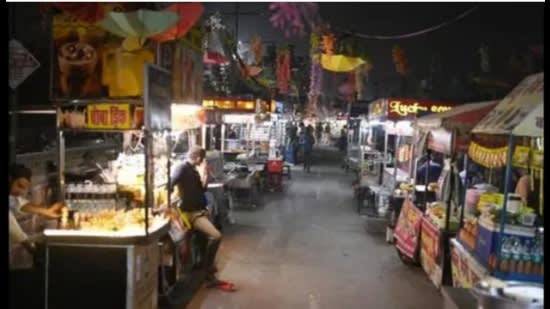
The Food Safety and Drug Administration (FSDA) in Lucknow is initiating a 'hygiene makeover' for the city's street food sector by establishing and regularly inspecting 'clean street food hubs' to enforce strict food safety and hygiene standards.
Lucknow's Culinary Evolution: The FSDA Hygiene Initiative
Lucknow, renowned globally for its rich culinary heritage and iconic street food, is undergoing a significant regulatory shift. The Food Safety and Drug Administration (FSDA) has announced a comprehensive 'hygiene makeover' aimed at elevating the standards of street food vending across the city. By designating and monitoring 'clean street food hubs,' the administration seeks to reconcile the city's vibrant gastronomic culture with modern public health requirements, ensuring that the legendary tastes of Lucknow are delivered in a safe and sanitary environment.
The Framework of 'Clean Street Food Hubs'
The core of this initiative lies in the creation of designated 'clean street food hubs.' Rather than sporadic inspections of individual carts, the FSDA is moving toward a cluster-based management approach. These hubs are expected to implement standardized protocols for waste disposal, access to potable water, and the use of food-grade storage materials. By concentrating vendors into regulated zones, the FSDA can more effectively conduct regular inspections, ensuring that vendors adhere to prescribed safety practices such as wearing gloves, using headgear, and maintaining clean cooking surfaces.
Public Health Implications and Urban Sanitation
From a public health perspective, this move is critical. Street food in densely populated urban centers often presents a risk of foodborne illnesses due to contamination or improper storage. By institutionalizing hygiene practices, the FSDA is proactively reducing the risk of outbreaks of water-borne and food-borne diseases. This initiative not only protects the consumer but also improves the overall urban sanitation of Lucknow, as the 'hub' model encourages better management of organic waste and oil disposal, which frequently clog city drainage systems when left unregulated.
Socio-Economic Impact on Small-Scale Vendors
While the 'hygiene makeover' is a win for public health, it presents a transitional challenge for small-scale vendors. Many street food sellers operate on thin margins and may find the initial cost of upgrading their equipment or adhering to strict FSDA guidelines burdensome. However, in the long term, this certification of 'cleanliness' is likely to increase consumer trust. As health-consciousness rises among the urban middle class, vendors who are recognized as part of a 'clean hub' are likely to see an increase in footfall and revenue, effectively transitioning from the informal economy to a semi-formal, recognized business status.
Alignment with National Food Safety Standards
This local initiative in Lucknow mirrors the broader national goals set by the Food Safety and Standards Authority of India (FSSAI). The shift toward 'Clean Street Food Hubs' is part of a larger movement to standardize street food across India, recognizing that street vendors are a vital part of the urban economy. By implementing these rules at the municipal level via the FSDA, Lucknow is aligning itself with national health priorities, transforming the perception of street food from a 'risky indulgence' to a 'safe culinary experience.'
Potential Challenges and Future Outlook
Despite the optimistic goals, the success of this makeover depends entirely on consistent enforcement. The primary challenge for the FSDA will be avoiding a 'tick-box' exercise where inspections are superficial. To be truly effective, the administration must provide continuous training to vendors rather than relying solely on punitive measures. Looking forward, if successful, this model could be scaled across other cities in Uttar Pradesh, creating a blueprint for how traditional street food cultures can coexist with stringent 21st-century health regulations.
Conclusion
The FSDA's intervention in Lucknow's street food scene is a necessary step toward modernizing the city's food infrastructure. By focusing on 'clean hubs' and regular inspections, the city is protecting its citizens while preserving its culinary identity. The balance between tradition and hygiene will ultimately determine the sustainability of Lucknow's street food legacy in an increasingly health-aware era.
Verification Required?