Two cheetahs released into tiger reserve, their third habitat in Madhya Pradesh
Source Entity
India Latest News: Top National Headlines Today & Breaking News | The Hindu
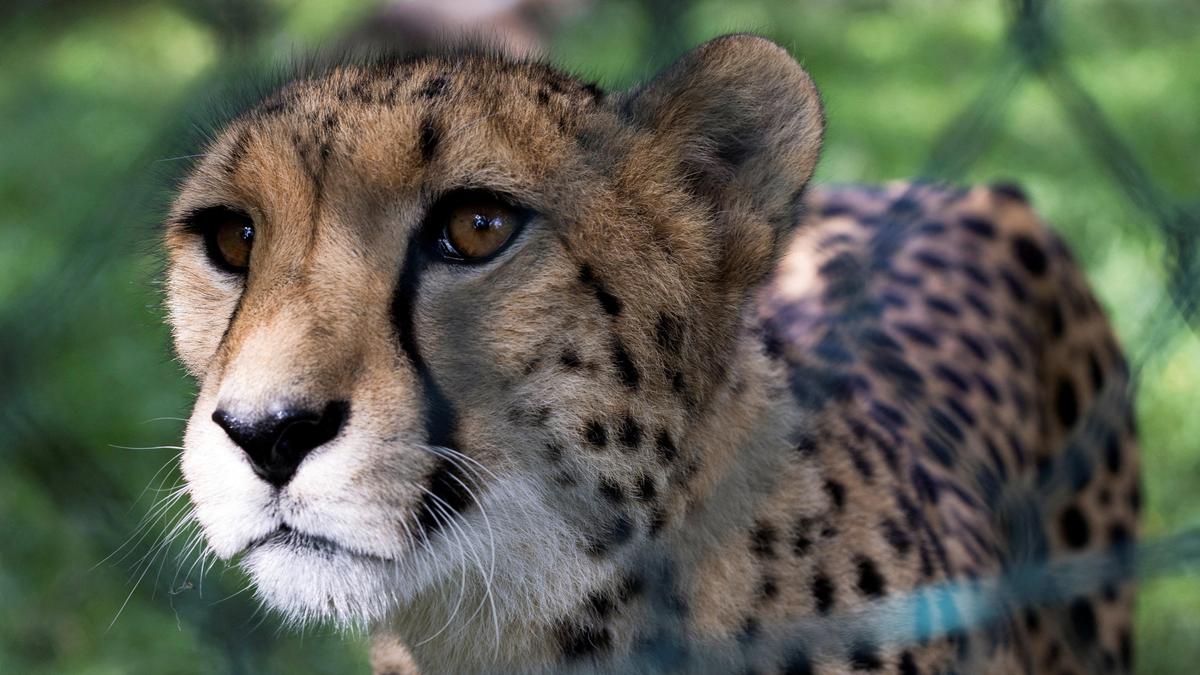
Madhya Pradesh has expanded its cheetah conservation project by introducing two cheetahs, Vyom and Neera, into the Veerangana Durgavati Tiger Reserve. This marks the state's third cheetah habitat, coinciding with the fourth anniversary of Project Cheetah and a rise in the national population to 52.
Expanding Cheetah Conservation in Madhya Pradesh
On October 7, 2026, Madhya Pradesh Chief Minister Mohan Yadav marked a significant milestone in India's wildlife conservation efforts by releasing two cheetahs, Vyom and Neera, into the Veerangana Durgavati Tiger Reserve in the Sagar district. This initiative represents the third dedicated habitat for the species in the state, following the established sites at Kuno National Park and the Gandhi Sagar Wildlife Sanctuary. This expansion signifies a strategic shift in the management of Project Cheetah, moving from initial pilot phases to a broader, landscape-level approach.
The Growth of Project Cheetah
The timing of this release is particularly symbolic, as it coincides with the conclusion of ‘Wildlife Conservation Week’ and follows the four-year anniversary of the inception of Project Cheetah. Since the project's launch, India has seen a steady increase in its big cat population, which now stands at 52 individuals. This growth is a testament to the rigorous monitoring and habitat management strategies employed by forest officials and conservationists, ensuring that these animals can thrive in environments outside their native African ranges.
Strategic Habitat Selection
By incorporating the Bundelkhand region—specifically the Veerangana Durgavati Tiger Reserve—as a new home for these cheetahs, authorities are diversifying the geographical range of the species within India. Each of the three sites, Kuno, Gandhi Sagar, and now Durgavati, offers unique ecological conditions that contribute to the long-term survival and genetic diversity of the population. This multi-site strategy minimizes the risk of localized environmental pressures or disease outbreaks affecting the entire population simultaneously.
Integrating Broader Wildlife Data
Beyond the release of the two cheetahs, Chief Minister Yadav also unveiled the ‘Vulture Population Estimation 2026’ report and a related book. This indicates a holistic approach to biodiversity management in Madhya Pradesh, where the focus is not limited to charismatic megafauna like cheetahs but extends to other critical species. The simultaneous release of these reports highlights a commitment to data-driven conservation, where population monitoring serves as the foundation for policy decisions.
Future Trends and Outlook
Looking ahead, the success of the Veerangana Durgavati Tiger Reserve as a habitat will likely dictate future expansion plans. The transition of these cats into a third site demonstrates the growing confidence of Indian wildlife authorities in their management protocols. As the population continues to rise, the focus will likely shift from initial reintroduction to long-term sustainability, including managing human-wildlife conflict and ensuring sufficient prey bases. The continued monitoring of Vyom and Neera will provide essential data for the next phase of this ambitious national conservation project.
Verification Required?