Madhya Pradesh Governor Backs Move To Deny Probe Sanction Against Minister
Source Entity
NDTV News Search Records Found 1000
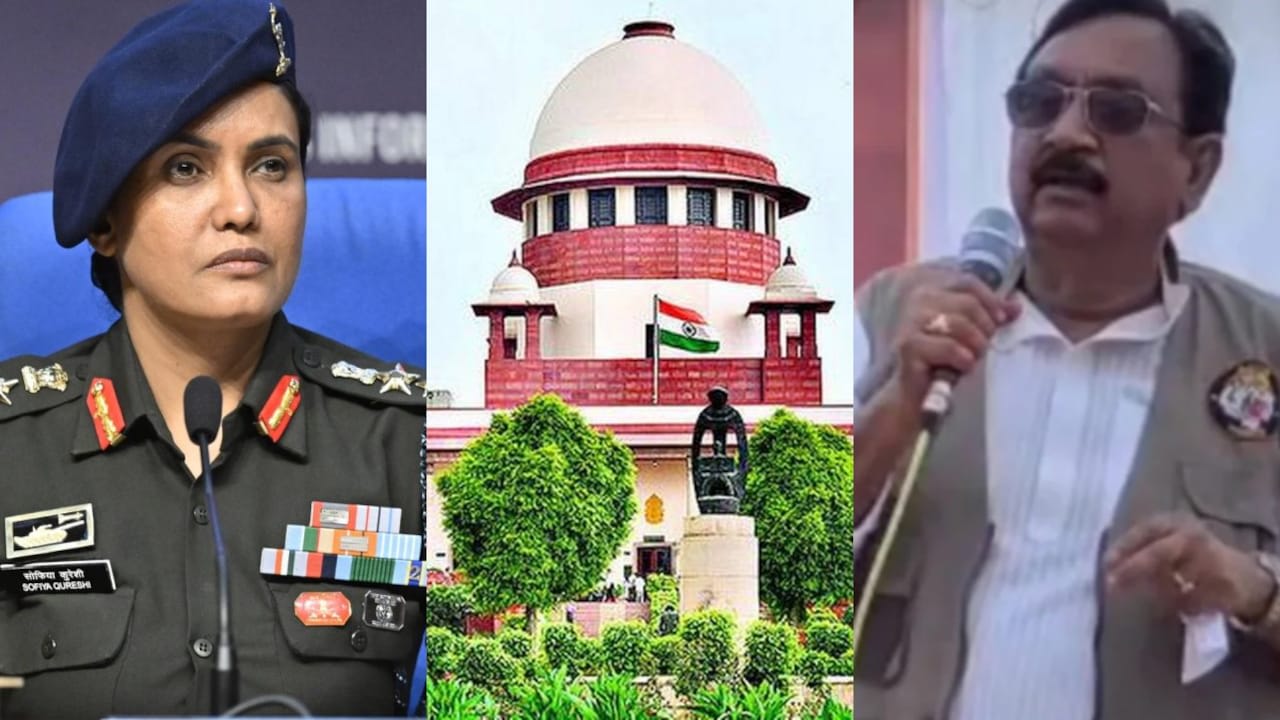
Madhya Pradesh Governor Mangubhai Patel has declined to grant sanction for an investigation against state minister Vijay Shah. The decision follows a controversial remark made by Shah regarding Colonel Sophia Qureshi.
Controversy Over Ministerial Accountability in Madhya Pradesh
Recent developments in Madhya Pradesh have brought the intersection of political immunity and public conduct into sharp focus. Governor Mangubhai Patel has reportedly declined to grant the necessary sanction to initiate a formal investigation against state minister Vijay Shah. This decision centers on a controversial statement made by Shah regarding Colonel Sophia Qureshi, an incident that sparked significant public discourse regarding the standards of discourse expected from elected officials.
The Legal and Political Framework of Sanction
In the Indian legal system, the requirement for prior sanction to prosecute or investigate a public servant is intended to protect officials from malicious or frivolous litigation that could impede their governance duties. However, critics often argue that this mechanism can be utilized to shield political allies from accountability. By denying the sanction, the Governor has effectively halted the legal pursuit of the matter at this stage, reinforcing the protective barrier that surrounds ministerial positions in the state.
Contextualizing the Remark
Minister Vijay Shah’s comments concerning Colonel Sophia Qureshi were viewed by many observers and opposition members as derogatory and inappropriate. The invocation of a high-ranking military figure in a political context creates a complex dynamic, as it pits the sanctity of political office against the respect afforded to the armed forces. The refusal of the Governor to allow a probe suggests that the administration does not view the remarks as meeting the threshold for criminal investigation or official misconduct under current statutes.
Broader Implications for Political Discourse
This incident highlights a growing trend of friction between political rhetoric and public expectation. When high-ranking ministers make comments that are perceived as offensive, the lack of a subsequent legal inquiry can lead to public cynicism regarding the impartiality of state institutions. The decision serves as a case study in how executive power is exercised to define the boundaries of acceptable speech within the political sphere of Madhya Pradesh.
Historical Precedents and Future Trends
Historically, the denial of sanction for investigation has always been a point of contention in Indian politics, often leading to protracted legal battles in the High Courts. The trend suggests that unless there is overwhelming evidence of criminal intent, the executive branch is likely to maintain a protective stance over its members. Moving forward, this event is likely to fuel debates in the State Assembly, as the opposition will undoubtedly use the Governor's decision as a platform to challenge the government's ethical standards.
Conclusion
The denial of a probe into Vijay Shah’s conduct marks a significant chapter in the current political climate of Madhya Pradesh. While the Governor’s decision aligns with the procedural protections afforded to ministers, it simultaneously raises questions about the definition of accountability. As the dust settles, the event remains a clear example of the tension between political insulation and the public's demand for decorum from its leadership.
Verification Required?