Trump Snaps At Reporter: 'What A Stupid Question' As President Lashes Out During Exchange
Source Entity
Latest News: Todays Latest News Headlines from India & World | Hindustan Times | Hindustan Times
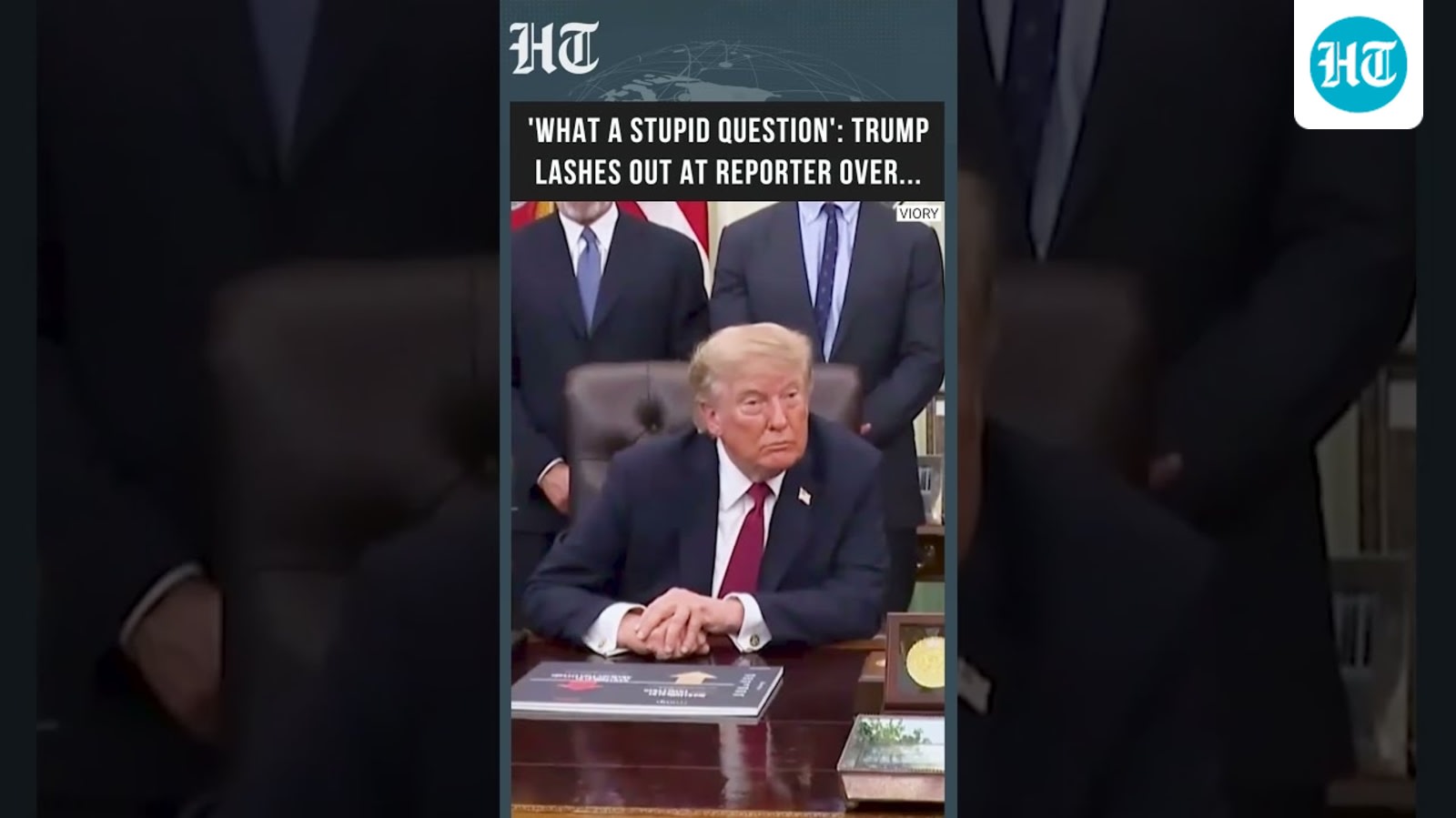
President Donald Trump dismissed a reporter's query as a "stupid question" during a tense public exchange. This incident reflects the ongoing, combative relationship between the former president and the media.
The Dynamics of Presidential Press Relations
The recent incident involving President Donald Trump, where he dismissed a reporter's inquiry by labeling it "what a stupid question," serves as a stark reminder of the volatile relationship between the executive branch and the press corps during his administration. This interaction was not an isolated event but rather a characteristic moment of his presidency, where press briefings and spontaneous Q&A sessions frequently devolved into confrontational exchanges.
Historical Context of Executive-Media Friction
Throughout American history, the relationship between the White House and the media has often been fraught with tension. However, the Trump era marked a distinct shift in tone and strategy. By actively challenging the legitimacy of journalistic inquiries, the administration sought to redefine the traditional role of the press as a check on executive power. This "us-versus-them" narrative effectively utilized social media and public rallies to bypass traditional gatekeepers, fundamentally altering how political information was disseminated to the public.
Psychological and Political Implications
When a head of state characterizes a journalist's question as "stupid," it carries significant weight. Such rhetoric is designed to diminish the credibility of the questioner and, by extension, the institution they represent. For supporters, this bluntness is often interpreted as authenticity and a refusal to be intimidated by the "mainstream media." For critics, it represents an erosion of democratic norms that dictate a respectful, albeit rigorous, dialogue between leaders and the public servants tasked with scrutinizing them.
The Impact on Public Discourse
This specific confrontation highlights the broader trend of polarization in political discourse. When the highest office in the land adopts an adversarial stance toward the media, it often emboldens partisans to adopt similar tactics, leading to a breakdown in constructive debate. The frequency of these outbursts suggests a deliberate communication strategy aimed at dominating the news cycle by shifting the focus from policy substance to personal conflict.
Future Trends in Political Communication
Looking ahead, the legacy of these exchanges will likely influence future presidential cycles. Candidates are increasingly wary of the "gotcha" question and are more prepared to employ defensive or dismissive tactics to avoid traps. As the media landscape continues to fracture into echo chambers, the ability to maintain a professional, transparent dialogue between leaders and the press remains an essential, yet increasingly fragile, pillar of a healthy democracy.
Conclusion
Ultimately, the interaction serves as a quintessential example of the communicative style that defined the Trump presidency. Whether viewed as a bold rejection of media bias or a dangerous departure from presidential decorum, the event underscores the enduring tension between the need for executive transparency and the combative nature of modern political theater.
Verification Required?