High Court refuses to quash case against four in Madhya Pradesh hijab row
Source Entity
Anand Mohan J
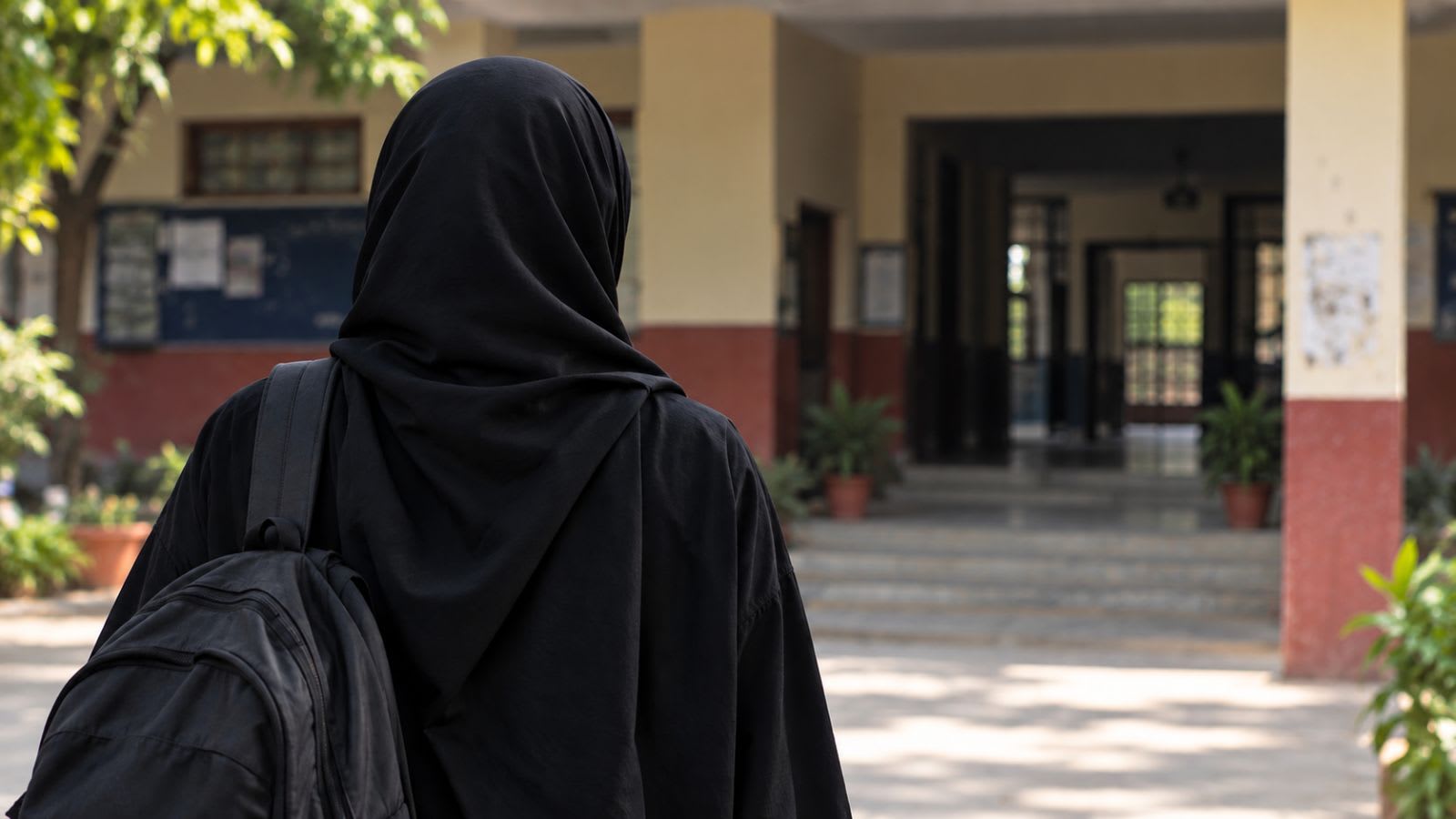
The Madhya Pradesh High Court has refused to quash criminal proceedings against four individuals involved in a school hijab controversy in Damoh. The court clarified that while wearing a hijab does not inherently violate the Freedom of Religion Act, the case will proceed to address alleged attempts at religious conversion.
Legal Developments in the Damoh Hijab Controversy
The Court's Decision
More than three years following the onset of a significant controversy regarding the alleged imposition of religious practices at a school in Damoh, Madhya Pradesh, the High Court has delivered a critical ruling. Justice Himanshu Joshi refused to quash the criminal proceedings against four individuals accused in the case. The court maintained that the allegations presented in the First Information Report (FIR) and the evidence gathered during the investigation were sufficient to warrant a trial, dismissing claims that the charges were inherently absurd or legally baseless.
Clarifying the Hijab Issue
Central to the court's order was a nuanced legal distinction regarding the wearing of the hijab. Justice Joshi explicitly observed that the act of wearing a hijab does not, in and of itself, constitute an offense under the Madhya Pradesh Freedom of Religion Act. This observation provides a vital legal precedent, reinforcing that personal attire, when decoupled from coercive religious activities, remains protected under individual expression.
Analyzing the Scope of the Freedom of Religion Act
The court’s reasoning clarifies the threshold required for criminal liability under state anti-conversion laws. The ruling underscores that the state must provide evidence of the "statutory ingredients" of conversion—such as force, allurement, or fraudulent means—to successfully prosecute under the Act. The court emphasized that a mere dress code, regardless of how controversial it may be in a public setting, cannot automatically trigger criminal consequences without clear evidence of an intent to convert.
Broader Implications for Religious Expression in Education
The Damoh incident highlights the ongoing tension between institutional regulations and religious identity within educational environments in India. By allowing the criminal case to proceed despite clarifying the hijab issue, the court is signaling that the investigation must focus strictly on whether the school management utilized their position to influence or coerce religious conversion, rather than simply policing the clothing choices of the students.
Future Trends and Judicial Precedents
This case serves as a bellwether for how Indian courts will continue to navigate the intersection of secular education and religious expression. As legal battles over religious attire in schools persist across the country, this ruling suggests a shift toward a granular, evidence-based approach. The judiciary is increasingly moving to separate the symbolic act of wearing religious attire from the substantive legal allegations of forced conversion, ensuring that the Freedom of Religion Act is applied strictly to its intended purpose of preventing coercion.