Madras HC orders Udhayanidhi's release after questioning over 'vulgar' remark
Source Entity
ABHISHEK MISHRA
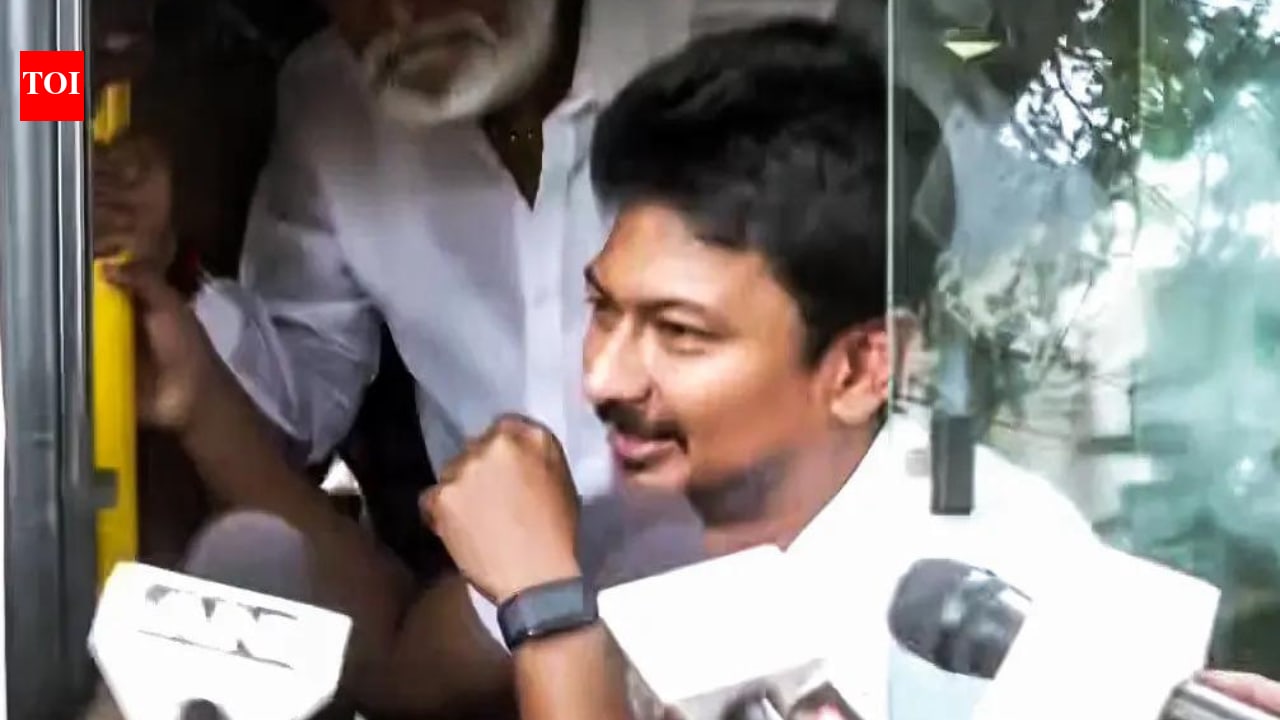
The Madras High Court has ordered the release of Udhayanidhi Stalin following questioning regarding controversial remarks deemed vulgar. This legal development highlights the ongoing scrutiny surrounding the political figure's public statements.
Legal Intervention in Udhayanidhi Stalin Case
The recent judicial directive from the Madras High Court, which ordered the release of Udhayanidhi Stalin following his questioning, marks a significant development in a legal matter concerning remarks labeled as 'vulgar.' This event underscores the intersection of political discourse and judicial oversight, where public statements by prominent figures are increasingly subject to legal scrutiny and petitions seeking accountability for language used in the public sphere.
The Context of Judicial Review
When courts intervene in matters involving political figures and their public commentary, it often triggers a broader conversation about the limits of free speech and the standards of decorum expected from elected officials. The questioning process, which preceded the court's order for release, suggests a structured legal inquiry into whether the specific terminology used by Udhayanidhi Stalin crossed the threshold from protected political rhetoric into legally actionable vulgarity or offense.
Implications for Political Discourse
This case highlights the growing trend of using the judiciary to address grievances related to political communication. By bringing such matters to the Madras High Court, petitioners are testing the boundaries of how 'vulgar' remarks are defined under existing legal frameworks. The outcome of this specific questioning serves as a bellwether for how future political speech will be handled, potentially setting a precedent for how quickly officials might face legal repercussions for controversial public statements.
The Role of the Madras High Court
The Madras High Court’s role in this instance demonstrates its function as an arbiter in disputes that spill over from the political arena into the legal one. By ordering his release after the questioning, the court has effectively concluded the immediate phase of the investigation, though the broader implications of the case remain a point of interest for legal scholars and political observers alike. The court's decision-making process here reflects a balance between the necessity of investigative procedures and the rights of the individual.
Future Trends in Accountability
Looking ahead, it is likely that we will see a sustained focus on the language used by politicians across the spectrum. As digital media amplifies every statement, the scrutiny of public figures is at an all-time high. This case serves as a reminder that the legal system is increasingly becoming a venue for resolving disputes over political speech, which may lead to more rigorous internal monitoring by political parties regarding the rhetoric employed by their leadership.
Concluding Perspectives
In summary, the release of Udhayanidhi Stalin following the court-ordered questioning concludes a chapter of this specific legal challenge but keeps the conversation regarding political conduct alive. While the immediate legal pressure has been alleviated by the court's order, the incident remains a notable example of the sensitivity surrounding public speech in India's vibrant, yet highly litigious, political environment.