MAGA brown-out: For Indian Trump acolytes, citizenship comes with an asterisk
Source Entity
CHIDANAND RAJGHATTA
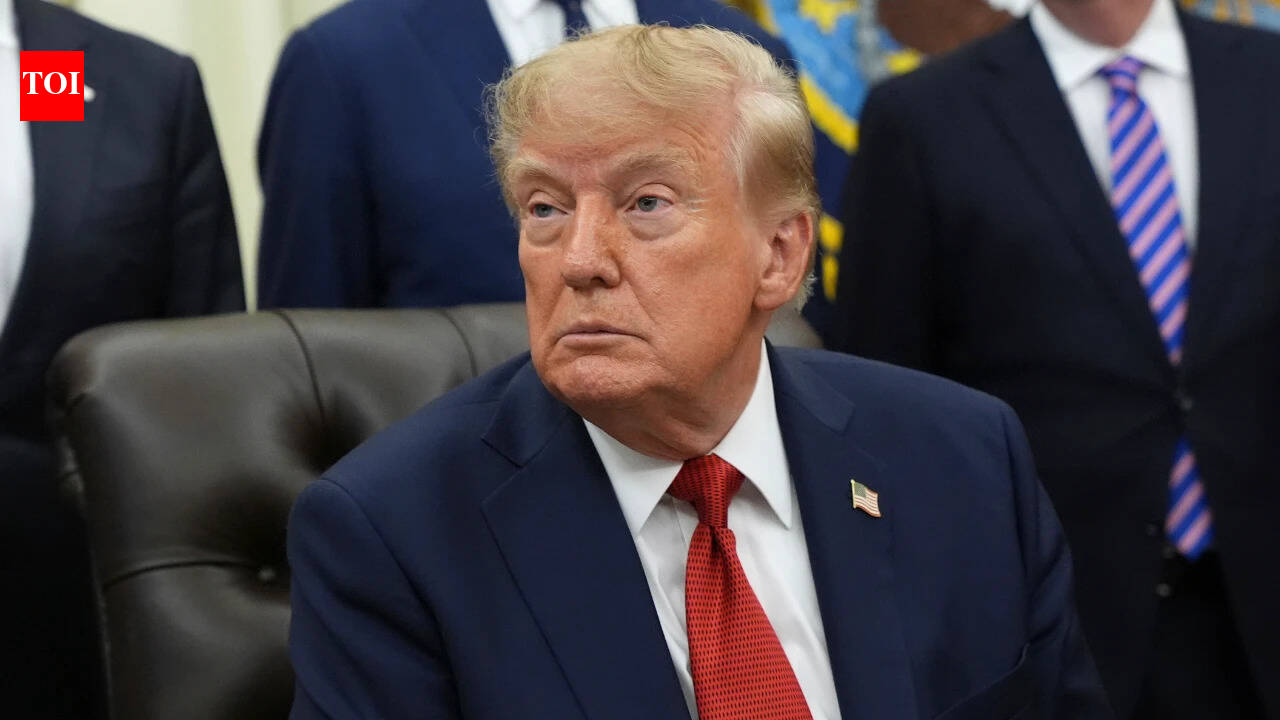
The emergence of Indian-American support for the MAGA movement highlights a complex intersection of political alignment and identity. These supporters often face internal tensions regarding their status within a populist movement that prioritizes nativist rhetoric.
The Paradox of the Indian-American MAGA Supporter
Navigating Ideological Alignments
The emergence of a distinct cohort of Indian-Americans aligning with the 'Make America Great Again' (MAGA) movement represents a significant shift in the traditional political behavior of the South Asian diaspora. Historically, this demographic has leaned heavily toward the Democratic Party, driven by policies favoring immigration, inclusivity, and secular governance. However, the rise of a conservative faction within this group suggests an ideological pivot toward fiscal conservatism, merit-based immigration policies, and a shared emphasis on traditional family values, which they perceive as being more closely aligned with the modern Republican platform.
The 'Asterisk' of Conditional Inclusion
Despite this political alignment, the narrative surrounding 'Indian Trump acolytes' is often defined by a perceived conditionality. The headline's mention of an 'asterisk' attached to their citizenship reflects the underlying tension between these individuals and the broader, often nativist, base of the MAGA movement. While these supporters embrace the 'America First' doctrine, they frequently find themselves navigating a political environment where their cultural and ethnic background can invite skepticism from the more extreme fringes of the movement, leading to a precarious sense of belonging.
Historical Context and Shifting Loyalties
To understand this phenomenon, one must examine the evolution of the Indian-American political identity over the last two decades. The transition from a monolithic voting bloc to a more nuanced, split demographic is not entirely unprecedented but has accelerated under the populist fervor of the Trump era. This shift is characterized by a desire for a 'meritocratic' immigration system that differentiates between various classes of visa holders and naturalized citizens, creating a unique internal discourse within the community about what 'earning' one's place in American society truly entails.
Broader Implications for American Populism
The support of Indian-American acolytes for the MAGA agenda signals broader implications for the future of American political coalitions. It suggests that populist movements are capable of attracting minority groups by appealing to localized economic interests and perceptions of social order, even when the broader rhetoric of such movements appears exclusionary. This creates a volatile political dynamic where identity politics and policy-based conservatism collide, forcing these supporters to reconcile their participation in a movement that may not always prioritize their full social integration.
Future Trends in Diaspora Politics
Moving forward, it is likely that the engagement of Indian-Americans with the populist right will continue to be a subject of intense scrutiny and debate. As the demographic grows in both size and economic influence, their ability to shape the Republican platform will be tested. Will they be able to influence the movement toward a more inclusive form of nationalism, or will they remain on the periphery, constantly justifying their presence under the 'asterisk' of their heritage? The trajectory of this group will serve as a bellwether for how immigrant communities interact with populist surges in Western democracies for years to come.