Remuneration dispute: About 100 Maharani Cluster University guest lecturers protest for a week
Source Entity
India Latest News: Top National Headlines Today & Breaking News | The Hindu
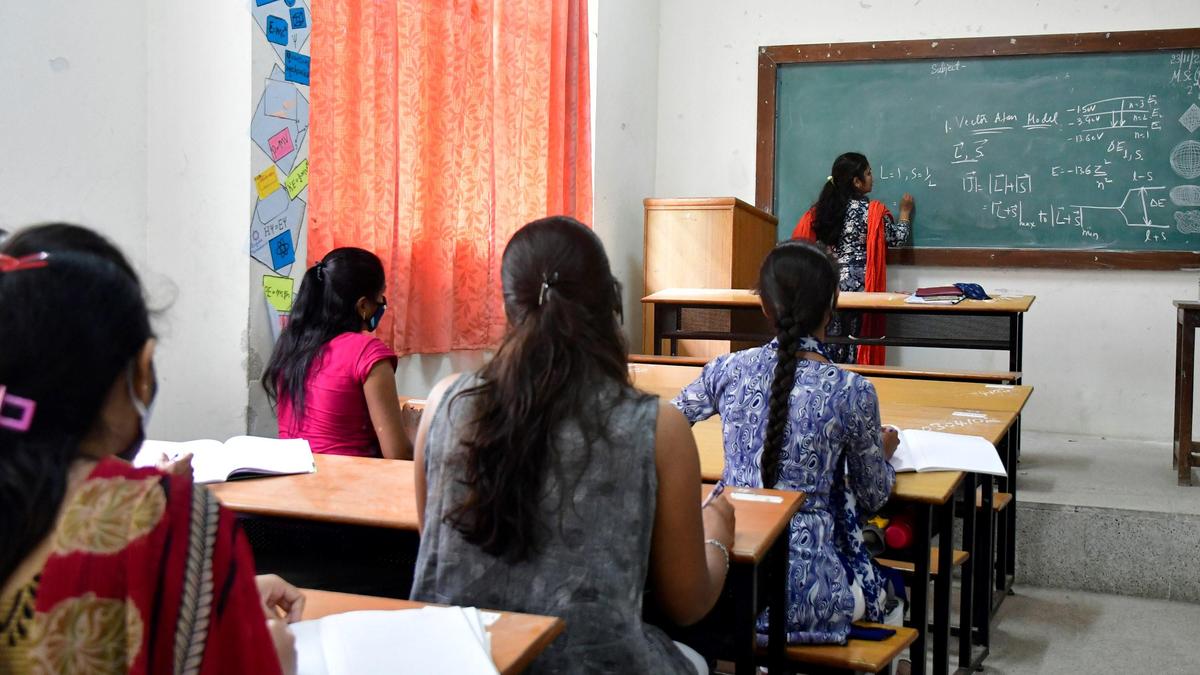
Over 100 guest lecturers at Maharani Cluster University are protesting due to a two-month delay in receiving their salaries. The dispute stems from conflicting recruitment and payment directives between the university and the Department of Collegiate Education.
The Maharani Cluster University Remuneration Crisis
Origins of the Administrative Deadlock
At the heart of the current unrest at Maharani Cluster University lies a breakdown in administrative coordination between the university and the Department of Collegiate Education (DCE). The conflict originated from a state government directive that initially tasked the university with the independent recruitment of guest lecturers for the 2026-27 academic term. When the university pushed back, citing an inability to sustain the financial burden of these salaries, the state intervened by shifting the recruitment responsibility to the DCE, while paradoxically mandating that the university continue to handle the actual disbursement of funds. This fragmented chain of command has created a bureaucratic vacuum where accountability is lost, leaving 106 educators without pay for two months.
The Human Impact of Institutional Friction
For the 106 guest lecturers involved, the administrative confusion has translated into severe financial instability. The decision to boycott classes is a direct reaction to this two-month wage gap, highlighting the precarious nature of guest faculty positions within the higher education system. These educators often serve as the backbone of departmental instruction, yet they frequently lack the structural protections afforded to permanent staff. The current escalation—moving from classroom boycotts to threats of a hunger strike—signals a total breakdown in communication between the faculty and the institutional administration.
Regulatory Ambiguity and Policy Implications
This situation serves as a case study in the dangers of ambiguous policy implementation. By separating the entity that performs the hiring (the DCE) from the entity responsible for financial disbursement (the university), the government inadvertently created a system prone to failure. When the DCE appointed the lecturers, it likely assumed the university would facilitate payments seamlessly; however, without a clear, pre-negotiated budget transfer mechanism, the university’s resistance to paying for staff it did not directly recruit has paralyzed the payroll process.
The Escalation to Public Protest
The transition from internal grievance to public protest marks a significant turning point in this dispute. By staging a week-long demonstration and threatening a hunger strike, the lecturers are attempting to force a resolution from the state government. This pressure tactic is designed to compel the Department of Collegiate Education and the university to reconcile their conflicting mandates. Without a clear directive from the state to either provide the university with the necessary funds or assume full responsibility for payment, the protest is unlikely to subside.
Looking Toward Resolution
To resolve this impasse, the state government must act as a mediator to clarify the financial obligations of both the university and the DCE. Future trends in higher education management suggest that unless recruitment and remuneration models are unified under a single, well-funded administrative umbrella, similar disputes will continue to plague state-run institutions. The immediate path forward requires an emergency audit of the recruitment agreement to ensure that the 106 affected lecturers receive their back pay, thereby restoring order to the academic environment at Maharani Cluster University.
Conclusion
The ongoing protest at Maharani Cluster University is a symptom of systemic administrative misalignment. The dispute between the DCE and the university regarding the funding of guest lecturers has directly undermined the educational experience of students and the livelihoods of faculty. Immediate government intervention is essential to bridge the gap between recruitment authority and payment responsibility to prevent further escalation.
Verification Required?