Watch: Manali Turns into Parking Lot? Tourist Rush Creates Endless Vehicle Queues
Source Entity
Latest News: Todays Latest News Headlines from India & World | Hindustan Times | Hindustan Times
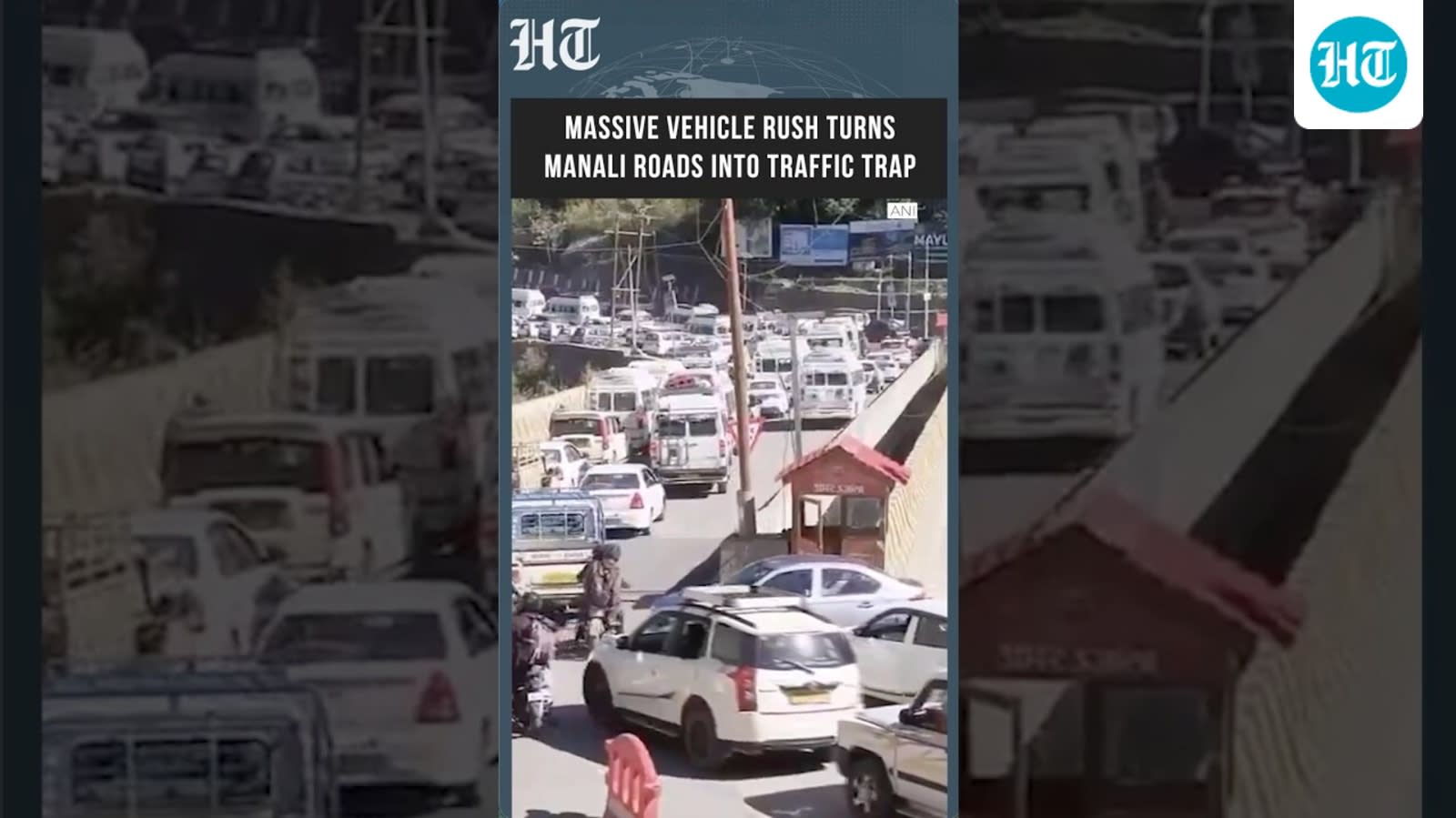
The Gandhi Jayanti long weekend triggered massive traffic congestion across Himachal Pradesh and Uttarakhand as tourists and pilgrims flocked to hill stations and shrines. The surge has sparked a heated online debate regarding the environmental impact of heavy private vehicle reliance in fragile mountain regions.
The Great Mountain Migration: Analyzing the Recent Himalayan Traffic Crisis
An Unprecedented Surge in Himalayan Tourism
The recent Gandhi Jayanti long weekend served as a catalyst for a massive influx of travelers into the Himalayan states of Himachal Pradesh and Uttarakhand. As citizens capitalized on the public holiday, popular destinations such as Manali, Shimla, and Mussoorie faced overwhelming tourist numbers. This surge was not limited to leisure seekers; a significant portion of the traffic comprised pilgrims traveling to the Char Dham sites, including Badrinath, Kedarnath, Gangotri, and Yamunotri, further straining the already limited road infrastructure.
Infrastructure Under Pressure
The scale of the congestion was severe, with major arteries like the Chandigarh-Shimla National Highway-5 experiencing significant bottlenecks. In many instances, the surge effectively turned mountain roads into parking lots. For example, reports indicated a seven-kilometer-long traffic jam on the route to Badrinath, while Manali saw vehicles stuck for hours between the town entrance and major hubs like the Atal Tunnel and Solang Nullah. These delays, which stretched wait times to one to three hours, necessitated the urgent deployment of traffic management teams to prevent total gridlock and ensure traveler safety.
The Environmental and Social Debate
The visible chaos has ignited a polarized debate across social media platforms. Critics are questioning the sustainability of current tourism models, specifically highlighting the heavy dependence on private vehicles. As tourists flock to these ecologically sensitive regions, the resulting congestion is viewed by many as a direct threat to the environmental stability of the hills. The term "destroying our hills" has become a focal point of this discourse, reflecting growing public anxiety over the impact of mass tourism on local biodiversity and infrastructure resilience.
Post-Monsoon Recovery and Vulnerability
It is important to note that this surge in activity follows a challenging monsoon season for Himachal Pradesh. While the return of tourists is economically vital, the current influx highlights a precarious balance between economic recovery and the physical limits of the region's geography. The narrow, winding roads of the Himalayas were never designed for the current volume of modern vehicular traffic, and the concentration of visitors during short windows—such as long weekends—exacerbates the risk of accidents and environmental degradation.
Future Implications and Policy Outlook
Moving forward, the situation poses a significant challenge for state authorities. The recurring nature of these traffic jams suggests that current traffic management strategies may be insufficient to handle peak-season demand. Future trends may necessitate stricter regulation of vehicle entry, the promotion of public transit, or the implementation of dynamic traffic flow systems to protect these regions. Without a fundamental shift in how tourists access these mountainous destinations, the cycle of congestion and ecological strain is likely to continue, potentially diminishing the very appeal that draws millions to the Himalayas each year.
Verification Required?