CM Devendra Fadnavis spends Diwali with drought-hit farmer, announces relief for borewells
Source Entity
Ankita Deshkar
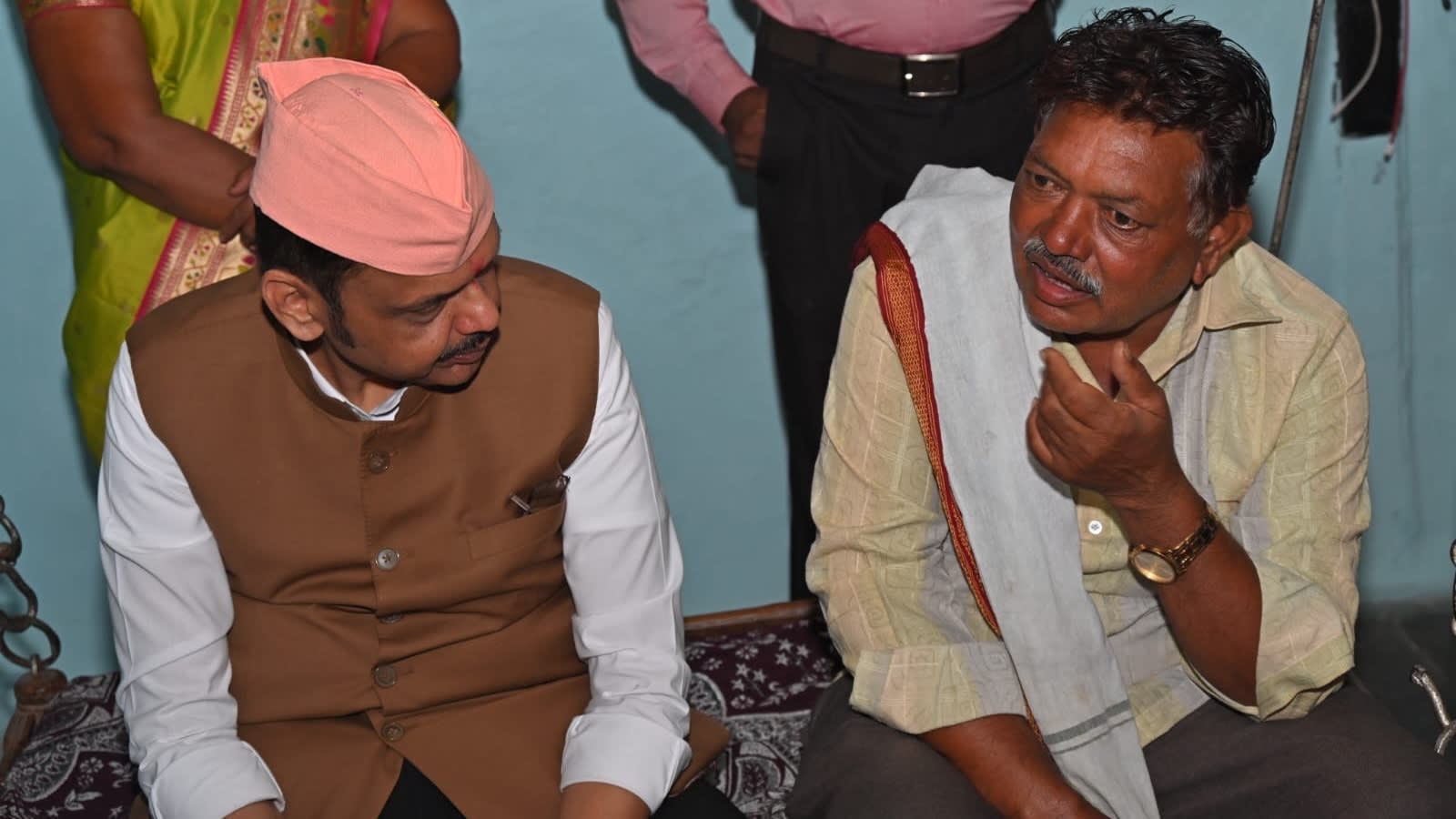
Maharashtra Chief Minister Devendra Fadnavis visited drought-hit Lohari Sawanga to address farmer distress during Diwali. He announced a temporary relaxation on borewell drilling restrictions until December 15 to help save horticultural crops.
Addressing Agricultural Crisis in Maharashtra
In a significant gesture of solidarity and policy intervention, Maharashtra Chief Minister Devendra Fadnavis spent the night of Diwali with a small farmer's family in Lohari Sawanga, located in the Nagpur district. This visit served as a platform for the Chief Minister to witness the ground realities of the severe agrarian crisis in the state, where an alarming 305 out of 358 talukas have been officially declared drought-hit. By sharing a meal and engaging directly with local sarpanches and residents, the administration aimed to bridge the gap between policy formulation and the lived experience of those struggling with crop losses and water scarcity.
Strategic Policy Shift: Borewell Relaxation
Responding to the immediate concerns raised during his visit, the Chief Minister announced a critical, albeit time-bound, policy change regarding water extraction. Recognizing that drought conditions were threatening the survival of vital horticultural crops, the government has relaxed restrictions on drilling new borewells and deepening existing ones. This measure is specifically designed to provide a lifeline to farmers whose fruit trees are at risk of perishing due to the acute water shortage. This shift highlights a pragmatic approach to crisis management, prioritizing the preservation of long-term agricultural assets.
Administrative Oversight and Implementation
While the relaxation offers relief, it is not an unrestricted mandate. The state government has stipulated that this permission remains in effect only until December 15 and requires formal approval from local administrative bodies. This condition serves as a safeguard to ensure that groundwater extraction is monitored, preventing the potential collapse of water tables in already stressed regions. By requiring prior permissions, the government attempts to balance the urgent need for irrigation with the imperative of sustainable water management.
Contextualizing the Drought Severity
This intervention occurs against a backdrop of significant rainfall deficits across Maharashtra. Reports indicate an 18.8% state-wide rain deficit, with certain districts facing as much as 40-50% shortfalls. These figures underscore the systemic nature of the drought, which is not merely a localized issue but a widespread environmental challenge affecting the state's economic backbone. The administration's focus on horticulture reflects a broader strategy to protect high-value crops that are particularly susceptible to erratic weather patterns.
Future Implications and Outlook
Moving forward, the effectiveness of these temporary measures will likely be evaluated based on the survival rates of orchards and the impact on local groundwater levels. The Chief Minister’s direct engagement in Nagpur district suggests a trend toward more personalized, field-level governance during times of crisis. As the December 15 deadline approaches, the state may need to consider more permanent drought-mitigation strategies, such as improved water conservation infrastructure and crop diversification, to ensure long-term resilience against the recurring climate-induced challenges facing Maharashtra's farmers.