Maharashtra declares drought in 75% of state
Source Entity
Alok Deshpande
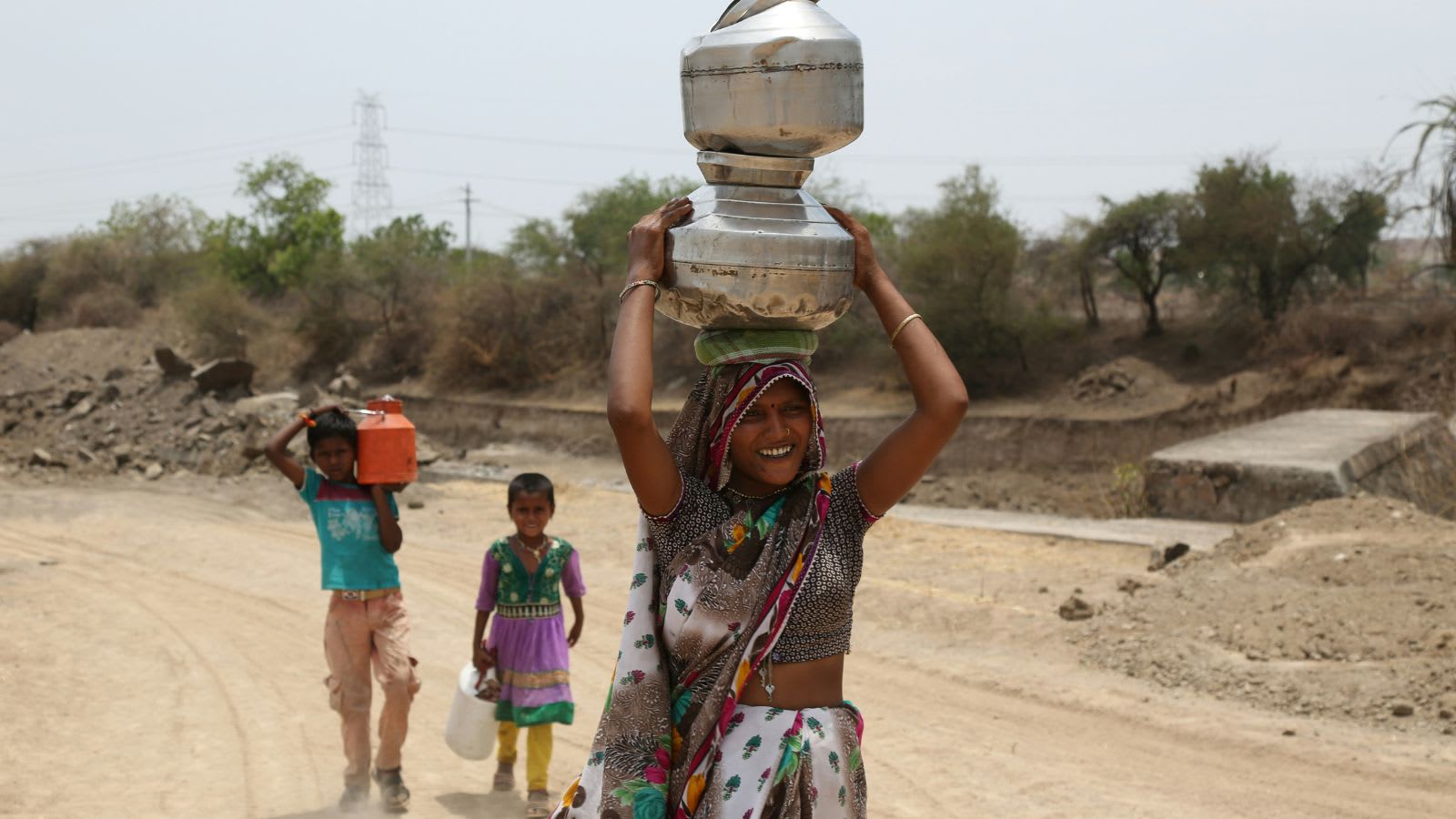
The Maharashtra government has declared a drought across 265 of the state's 358 talukas due to an 18.8% rainfall deficit. This declaration triggers immediate relief measures including loan restructuring, revenue waivers, and enhanced water supply support for the hardest-hit regions.
Maharashtra Faces Widespread Drought Crisis
In a significant administrative move, the Maharashtra government officially declared a drought across 265 of the state’s 358 talukas on September 26, 2026. This decision, formalized via a government resolution (GR), comes in response to a crippling 18.8% rainfall deficit recorded between June and September 18. With actual rainfall reaching only 755.9 mm during this period, the agricultural stability of the state has been severely compromised, necessitating immediate state intervention.
Geographic Impact and Regional Vulnerability
The impact of this drought is widespread, affecting critical agricultural hubs across Vidarbha, Marathwada, North Maharashtra, and the Pune division. The severity of the crisis is unevenly distributed, with districts like Yavatmal, Jalgaon, Ahilyanagar, Nagpur, Amravati, and Nanded bearing the brunt of the water scarcity. These regions, which form the backbone of the state's rural economy, are now facing substantial crop losses that threaten the livelihoods of millions of farmers.
The Mechanics of Relief
The government’s declaration is not merely administrative; it serves as a gateway to 12 specific relief measures designed to alleviate the socio-economic burden on the rural population. These include land revenue waivers, the restructuring of crop loans, a stay on farm loan recovery, and exemptions from agricultural electricity bills. By activating these provisions, the state aims to provide a financial cushion to farmers who have lost their primary source of income due to the failed monsoon.
Social and Infrastructure Support
Beyond direct agricultural financial aid, the government resolution addresses the broader societal impacts of the drought. The measures encompass a waiver of school examination fees and a relaxation of MNREGA work requirements to ensure that rural households can access income support. Furthermore, the state is prioritizing the mobilization of drinking water tankers and has implemented a ban on electricity pump disconnections to ensure that whatever limited water resources remain can still be utilized for essential survival and crop protection.
Future Implications and Governance Challenges
The current drought highlights the persistent vulnerability of Maharashtra’s hinterlands to climatic variability. Journalists like Alok Deshpande, who specialize in the intersection of geology and governance, have long noted that the state's reliance on monsoon patterns makes it uniquely susceptible to these deficits. Moving forward, the state will face pressure to not only manage the immediate fallout of this drought but also to develop more robust, long-term water management policies that can withstand the increasing volatility of seasonal rainfall. The success of these relief efforts will be a critical test for the state's administrative machinery in the coming months.