Restaurants, government canteens in Mumbai voluntarily shut for repairs, deep cleaning as FDA crackdown intensifies
Source Entity
Heena Khandelwal
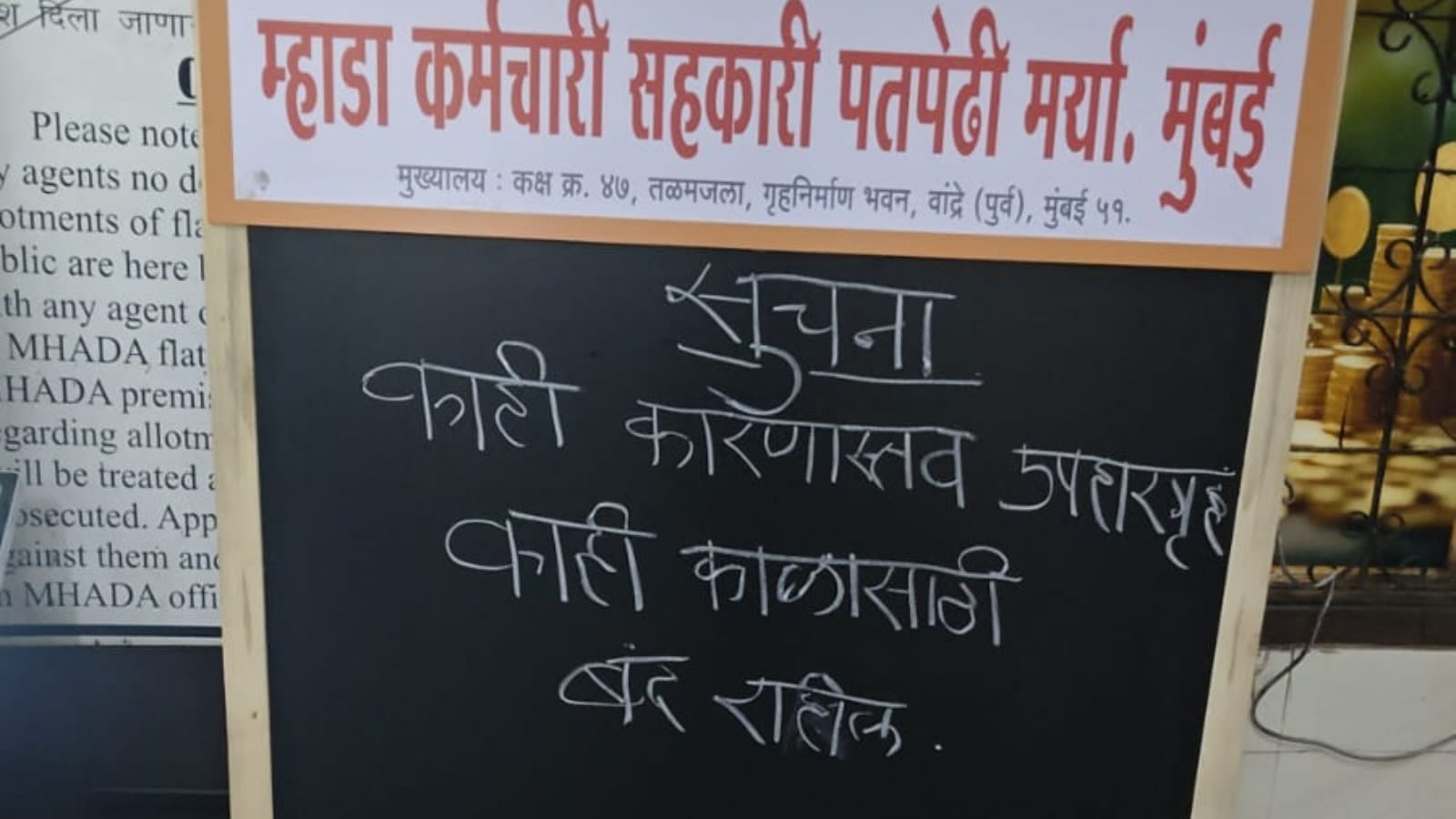
The Maharashtra FDA has launched a rigorous food safety crackdown, leading to the suspension of several Domino's Pizza outlets. In response, many Mumbai restaurants are pre-emptively closing for renovations and deep cleaning to avoid regulatory penalties.
Maharashtra FDA Launches Major Food Safety Enforcement Drive
The Maharashtra Food and Drug Administration (FDA) has initiated a significant enforcement campaign aimed at tightening food safety standards across the state. This intensified drive has already resulted in the suspension of operating licences for several food establishments, most notably four Domino’s Pizza outlets. This regulatory action serves as a strong signal from authorities that food hygiene and infrastructure standards are being strictly monitored and that non-compliance will lead to immediate operational consequences.
The Ripple Effect on Mumbai's Culinary Landscape
The impact of this crackdown has extended far beyond the targeted establishments. Across Mumbai, a wave of voluntary closures has swept through the restaurant sector. Establishments are choosing to pull down their shutters—some for a few hours, others for days—to prioritize essential repairs and deep cleaning. This trend highlights a sector-wide realization that the current regulatory climate demands a higher standard of physical maintenance and hygiene than may have been previously maintained.
Proactive Measures by AHAR Members
Vijay Shetty, president of the Indian Hotel & Restaurant Association (AHAR), has highlighted the psychological and operational shifts occurring among business owners. The intensity of the FDA's enforcement has forced many restaurateurs into a 'pre-emptive overhaul' mode. By investing in renovations, retraining staff, and hiring external cleaning services, owners are attempting to shield their businesses from the threat of license suspension. This shift is particularly driven by the desire to preserve long-standing reputations, as many of these establishments are family-run businesses with legacies spanning generations.
Transparency and Public Scrutiny
A notable component of this regulatory push is the FDA's strategy of transparency. By sharing photographic and video evidence from inspected premises, the agency has increased public awareness regarding food safety failures. This move not only serves as a deterrent to other establishments but also educates the public on what constitutes a health code violation. The visual documentation provided by the FDA has undoubtedly accelerated the pace at which businesses are addressing infrastructure defects like broken tiles and poor sanitation.
Future Trends in Restaurant Compliance
Looking ahead, it is likely that the restaurant industry in Maharashtra will undergo a sustained period of infrastructure improvement. The pressure to avoid public scrutiny and regulatory closure is creating a new baseline for operational standards. As owners focus on long-term structural repairs rather than temporary fixes, the industry may see a significant rise in overall food safety and hygiene quality. This cycle of enforcement and voluntary compliance is set to redefine the competitive landscape, where hygiene standards become a primary pillar of a restaurant's brand value.