Dream homes, mounting debts in Telangana
Source Entity
India Latest News: Top National Headlines Today & Breaking News | The Hindu
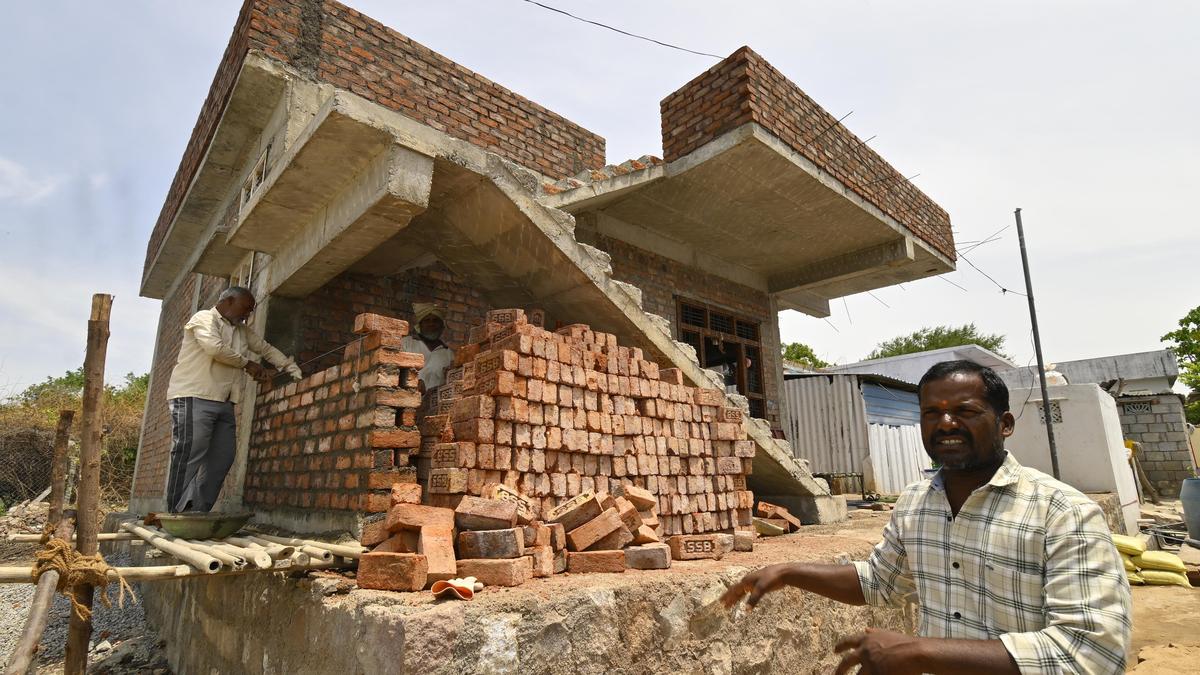
The Telangana Indiramma Indlu housing scheme faces challenges as rising costs force beneficiaries to take on debt. While the government provides a ₹5 lakh subsidy, officials are exploring shear wall technology to bridge the funding gap.
The Financial Burden of Aspiring Homeowners in Telangana
The Indiramma Indlu housing scheme, a significant government initiative in Telangana, aims to provide shelter to the state's most vulnerable populations. While the program offers a ₹5 lakh subsidy to help citizens achieve the dream of homeownership, the reality on the ground highlights a stark disconnect between government allocations and market realities. Many beneficiaries, including those in Sangareddy district, have found that the sanctioned amount is insufficient to cover the rising costs of construction materials and labor, forcing them into cycles of debt.
The Economic Reality of Modern Construction
For many families, the dream of a permanent home is being overshadowed by the financial strain of completing their dwellings. As reported, beneficiaries have had to invest an additional ₹5 lakh—equal to the entire government subsidy—out of their own pockets to finalize their homes. This inflation in construction costs, driven by the volatility in prices for essential materials like cement, has turned what was intended to be an empowering initiative into a source of significant financial hardship.
Technological Solutions and Adoption Hurdles
To mitigate these rising expenses, the Telangana State Housing Corporation is advocating for the adoption of shear wall technology. This construction method offers the potential for faster, more cost-effective building, theoretically keeping projects within the ₹5 lakh budget. However, the transition to such modern techniques has been slow. Widespread skepticism or a lack of technical familiarity among local builders and contractors remains a primary barrier to its implementation, hindering the scheme’s efficiency.
Prioritizing Vulnerable Populations
As the state moves into Phase II of the Indiramma Indlu scheme, the focus has shifted toward prioritizing hut-dwellers. This demographic, often having the least financial cushion, is the most susceptible to the risks of debt-funded construction. The urgency to refine the cost-management structure is not merely an administrative goal but a social necessity to ensure that the most impoverished citizens are not penalized for attempting to improve their living standards.
Future Implications and Policy Adjustments
Looking ahead, the success of the Indiramma Indlu scheme will depend on the government's ability to stabilize costs and improve construction efficiency. If the state cannot bridge the gap between the subsidy amount and real-world costs, the program risks leaving its beneficiaries with "dream homes" that are tethered to unsustainable loans. Addressing these challenges through better material procurement strategies or broader adoption of innovative building technologies is essential to ensuring the long-term viability of this housing initiative.
Verification Required?