The 2018 report that predicted Mumbai’s landslide this week, almost word for word
Source Entity
Pratip Acharya
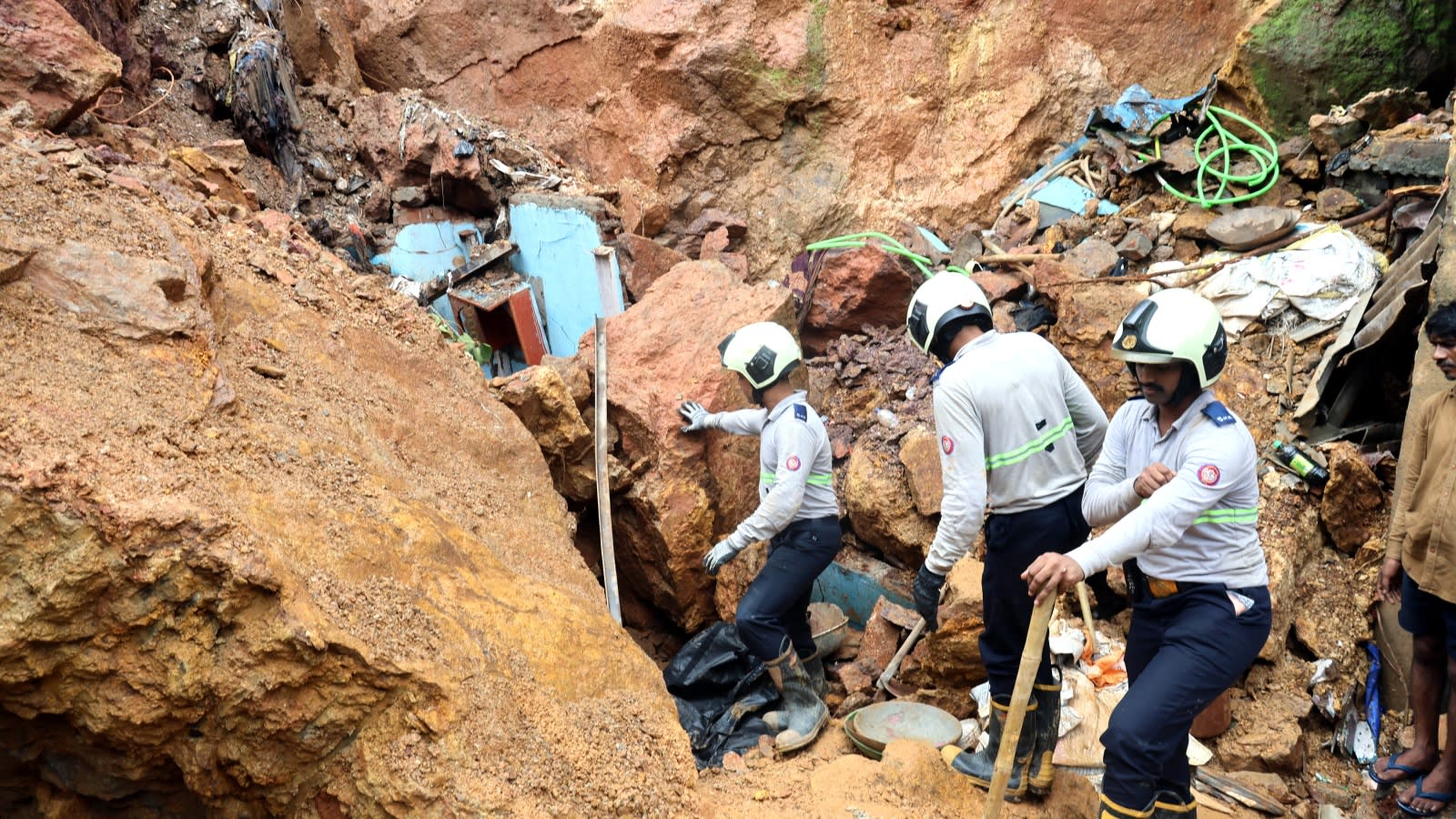
A 2018 Geological Survey of India report warned the BMC that the Kurla hillside was at high risk of collapse. Despite clear recommendations for protective measures, authorities failed to act, leading to a tragic landslide that killed eight people.
The Preventable Tragedy: Analyzing the Kurla Landslide
A Forewarned Disaster
The recent landslide in Mumbai’s Kurla hillside, which resulted in the tragic loss of eight lives, serves as a grim reminder of the consequences of administrative inaction. Government records have confirmed that the Geological Survey of India (GSI) issued a stark warning to the Brihanmumbai Municipal Corporation (BMC) eight years ago, identifying the specific hillside as a high-risk zone prone to collapse. This was not a sudden, unforeseen geological event, but rather a documented vulnerability that had been flagged by experts.
The Historical Precedent of Risk
The vulnerability of Hill No. 3 at Saki Naka is well-documented in historical records. Between 2005 and 2008, the area witnessed three separate landslides that claimed 16 lives and destroyed at least 26 homes. Given this history, the GSI’s 2018 report was intended to serve as a roadmap for hazard mitigation. The fact that these warnings were issued following years of field studies and technical analysis underscores the depth of the knowledge available to municipal authorities long before the most recent collapse.
The Failure of Mitigation Efforts
The 2018 GSI report was a comprehensive 435-page document, the result of two years of intensive study across 74 landslide-prone pockets in Mumbai. It explicitly called for "immediate attention" to stabilization efforts and urged the BMC to formulate a robust land-use policy for the city’s most vulnerable regions. Despite these clear technical directives, the necessary protective infrastructure was never implemented, leaving residents living in these high-risk pockets exposed to the inevitable forces of nature.
Urban Planning and Regulatory Negligence
The core issue highlighted by this event is the persistent gap between scientific assessment and urban policy implementation. When a nodal agency like the GSI provides actionable data, the failure to translate that data into physical safety measures represents a systemic breakdown in governance. The delay in addressing the recommendations for Hill No. 3 reflects a broader pattern of reactive rather than proactive urban management in India's densely populated metropolitan areas.
Broader Implications for Mumbai
As Mumbai continues to grapple with rapid urbanization and climate-induced weather patterns, the reliance on outdated safety protocols or the neglect of geological surveys poses an existential threat to its citizens. The Kurla incident is a clarion call for the BMC and other relevant authorities to revisit the 2018 GSI report and expedite the protective works that were shelved. Without a fundamental shift in how the city integrates geological risk assessment into its development plans, the recurring nature of these tragedies will likely continue, further straining the safety of Mumbai's most vulnerable communities.