Marriage, live-ins, halala: what Maharashtra is asking citizens on a Uniform Civil Code
Source Entity
Sadaf Modak
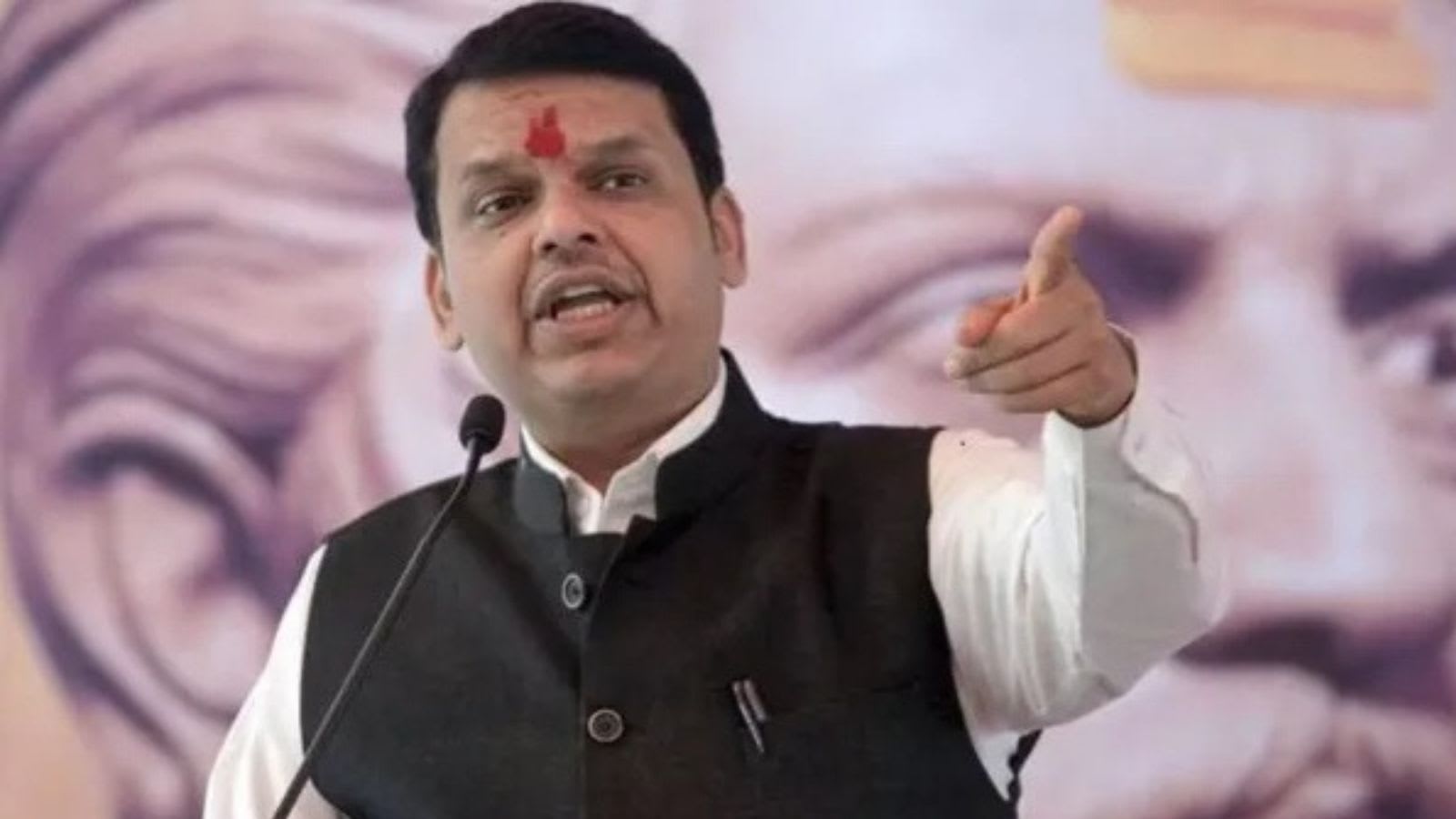
The Maharashtra government has launched a portal to solicit public feedback on a proposed Uniform Civil Code. This initiative aligns with a broader push by NDA-ruled states to standardize personal laws across India by 2029.
Maharashtra Initiates Public Consultation for Uniform Civil Code
The Maharashtra government has taken a significant step toward the implementation of a Uniform Civil Code (UCC) by launching a dedicated website to solicit public feedback. This move follows the establishment of a specialized committee tasked with drafting the legislation, which will govern personal matters such as marriage, divorce, inheritance, and succession. By posing 37 specific questions to the citizenry, the state is attempting to foster a participatory legislative process, ensuring that the diverse social fabric of Maharashtra is reflected in the upcoming legal framework.
The National Context: A Coordinated Legislative Push
This development in Maharashtra is not an isolated event but rather part of a broader, synchronized effort across states governed by the National Democratic Alliance (NDA). Union Home Minister Amit Shah has articulated a clear vision, establishing a 2029 deadline for the implementation of the UCC across all 21 states under NDA governance. This timeline signals a high-priority push to replace disparate religious personal laws with a unified legal code, a long-standing ideological objective of the current administration.
Progress Across the Indian States
Legislative momentum is building rapidly across the country. While Uttarakhand currently stands as the first state to successfully implement the UCC, other states are close behind. Gujarat, Assam, and Madhya Pradesh have already passed their respective UCC Bills through their legislative assemblies this year. Notably, the bills for Gujarat and Assam have received the mandatory assent from President Droupadi Murmu, solidifying their legal status. Furthermore, states like Chhattisgarh and Rajasthan have moved to establish their own drafting committees, indicating a widespread commitment to this policy shift.
Maharashtra's Legislative Ambitions
Chief Minister Devendra Fadnavis has expressed a clear intent to accelerate this process within Maharashtra. By aiming to introduce the UCC Bill during the upcoming winter session of the state assembly, the government is signaling its readiness to transition from the consultation phase to formal legislative action. This aggressive timeline reflects the political urgency felt by the state administration to bring Maharashtra in line with the broader national trajectory advocated by the central government.
Future Implications and Societal Impact
As the state moves forward, the implications of a Uniform Civil Code are profound. By addressing sensitive issues like marriage, live-in relationships, and religious practices such as halala, the UCC seeks to harmonize legal standards that have historically been fragmented. The success of this endeavor will depend on how effectively the government balances its goal of legal uniformity with the concerns and cultural sensitivities of various communities, as gathered through the ongoing public feedback portal.
Conclusion
In summary, Maharashtra’s launch of a public feedback mechanism marks a critical juncture in the national movement toward a Uniform Civil Code. As the government prepares to table the bill in the winter session, the interplay between state-level consultation and national-level policy mandates will define the future of personal law in India. The progress observed in states like Uttarakhand, Assam, and Gujarat suggests that the transition toward a unified legal structure is gathering significant and irreversible momentum.