After India's strong protest, Vance clarifies H-1B 'indentured servants' remark
Source Entity
YASHASVI VASISTHA
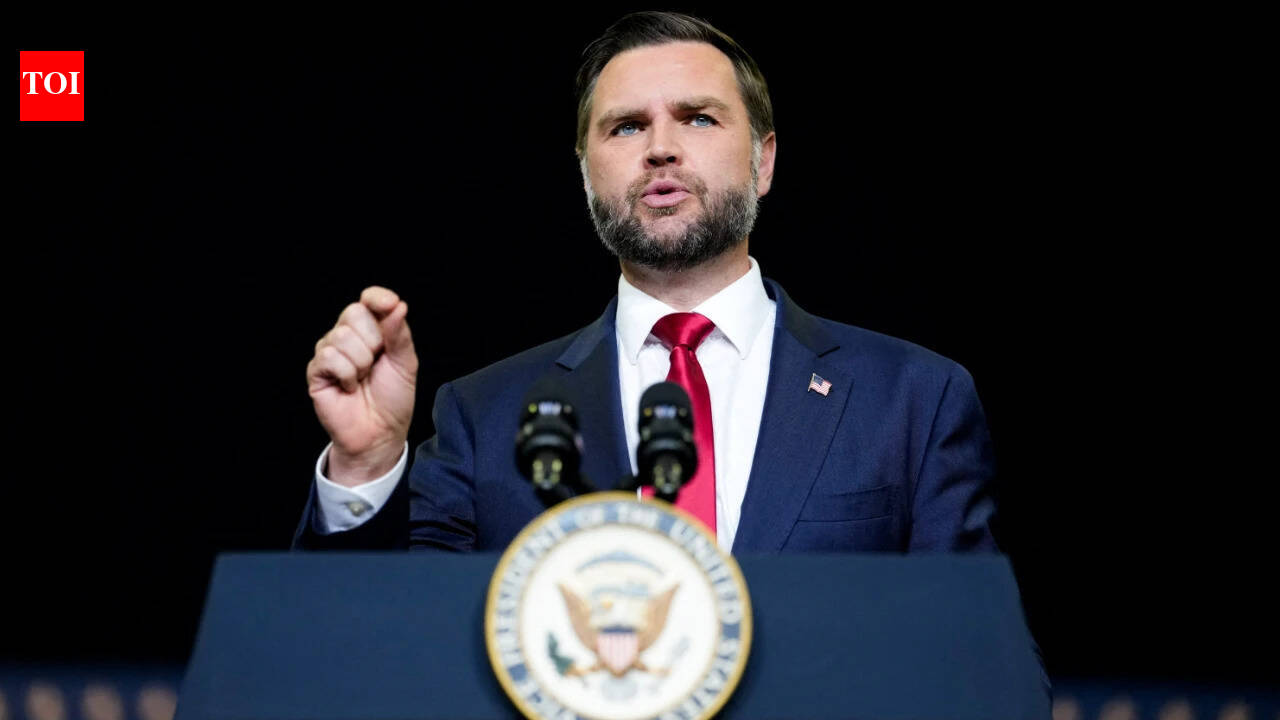
US Vice President JD Vance has walked back his controversial 'indentured servants' comment regarding H-1B visa holders following strong objections from India. He clarified that his criticism was aimed at corporate exploitation of the visa system rather than the workers themselves.
Diplomatic Tension Over H-1B Rhetoric
Recent remarks made by US Vice President JD Vance regarding H-1B visa holders have ignited a significant diplomatic exchange between Washington and New Delhi. By referring to these foreign professionals as 'indentured servants,' Vance touched upon a sensitive nerve, drawing immediate condemnation from the Indian government, which formally labeled the language as 'deeply offensive.' The backlash highlights the complexities of navigating immigration policy in an era where rhetoric regarding labor markets can easily intersect with historical and colonial sensitivities.
The Context of Historical Connotations
The term 'indentured servitude' carries a heavy, painful legacy, particularly for nations that endured colonial rule. When applied to modern H-1B visa holders—a program that relies heavily on Indian professionals—the phrasing was viewed by Indian authorities not merely as a critique of policy, but as a dehumanizing characterization of the individuals contributing to the American economy. This incident underscores the necessity for precision in political discourse, especially when discussing programs that form the backbone of the tech sector's global talent pipeline.
Clarification and Strategic Pivot
Facing mounting pressure, Vance utilized a recent CBS News town hall to clarify his position, acknowledging that his initial choice of words was 'imperfect.' He explicitly stated that his intent was not to dehumanize immigrants, but rather to critique the systemic mechanics of the H-1B program. His pivot focuses on the argument that corporations have utilized the visa system to undercut domestic American wages. By reframing his stance, Vance is attempting to shift the narrative from a personal attack on workers to a broader debate on labor protections and corporate accountability.
The Balancing Act of Immigration Policy
The tension here reflects the broader, ongoing challenge for US policymakers: balancing the demand for high-skilled global talent with the perceived need to protect American jobs. The H-1B visa program has long been a flashpoint in domestic US politics, frequently caught between the interests of the technology industry and labor advocacy groups. Vance’s clarification suggests an attempt to maintain a populist stance on American labor while simultaneously avoiding a rupture in the strategic partnership with India, a key ally in the Indo-Pacific.
Future Implications for US-India Relations
Looking forward, this incident serves as a bellwether for how immigration rhetoric will be handled in high-level diplomatic channels. As both nations continue to collaborate on critical technologies and economic initiatives, the management of such sensitivities will be paramount. The swiftness of the Indian Ministry of External Affairs' objection and the subsequent clarification from the US Vice President demonstrate a shared interest in preventing localized political rhetoric from undermining the long-term stability of the US-India strategic relationship.
Conclusion
Ultimately, the episode underscores the high stakes of modern political communication. While Vance’s move to clarify his remarks serves to de-escalate immediate tensions, the underlying policy debate regarding the H-1B visa program will undoubtedly continue. The incident serves as a reminder that in a globalized economy, the intersection of domestic labor policy and international diplomacy requires a careful, nuanced approach to prevent the alienation of vital global partners.