‘I attended classes but can’t speak’: 1,268 auto and cab drivers get notices on Day 1 of Marathi test
Source Entity
Apoorva Agashe, Ishika Gupta
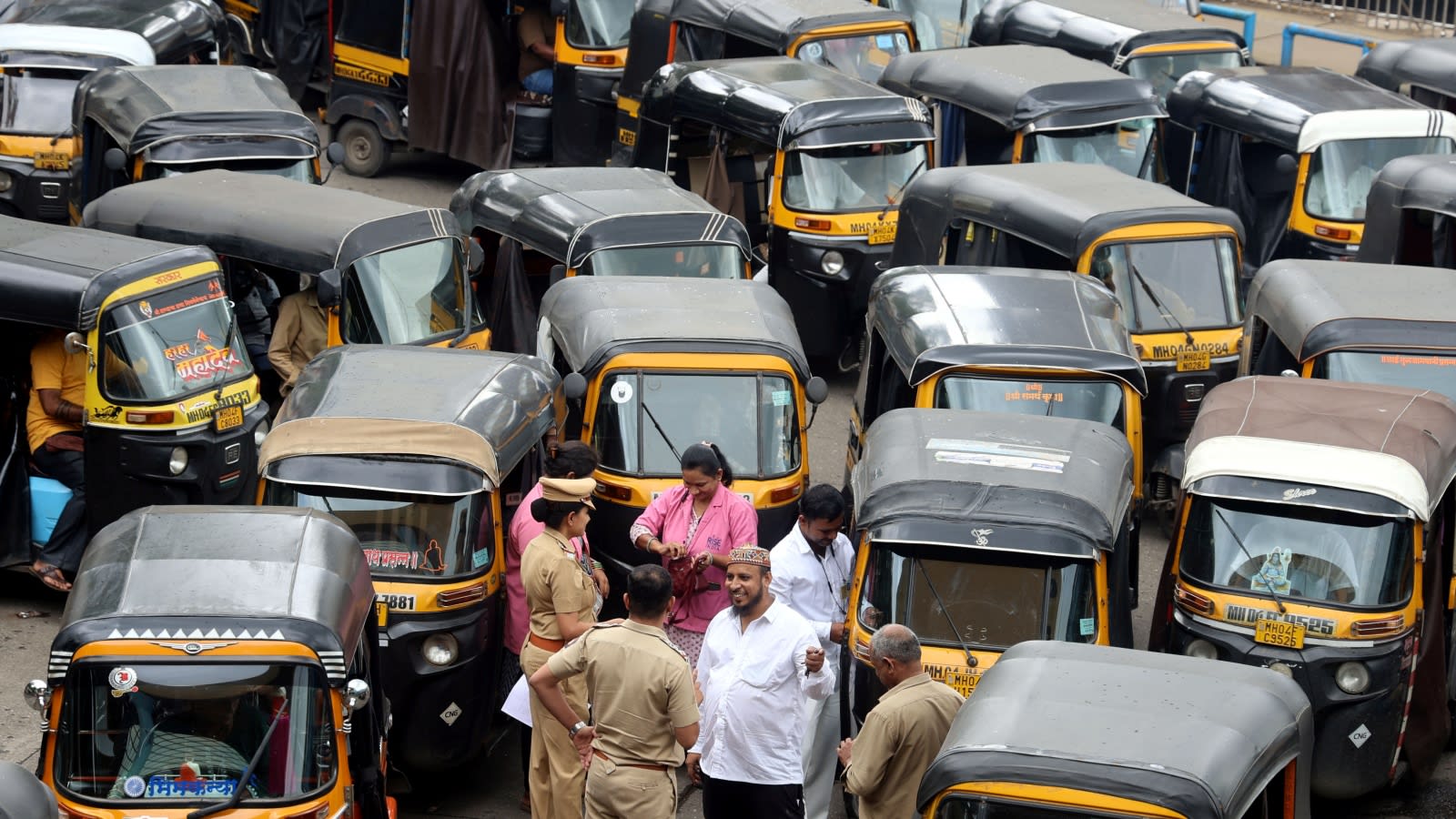
The Maharashtra government is enforcing a mandatory Marathi language proficiency requirement for auto and taxi drivers. Authorities have begun issuing show-cause notices to non-compliant drivers, granting them one month to acquire the necessary language skills.
Maharashtra Enforces Marathi Language Mandate for Transport Operators
The Maharashtra government has initiated a strict enforcement drive requiring all auto-rickshaw and taxi drivers to demonstrate a working knowledge of the Marathi language. This policy, championed by state transport officials, aims to ensure that public transport operators can communicate effectively with the local population. With approximately 9.65 lakh permits and badges currently active across the state, this mandate represents a significant administrative undertaking aimed at standardizing service quality and passenger interaction.
The Mechanics of Enforcement
Following a 105-day training and assessment period, the Regional Transport Offices (RTOs) have moved from the preparatory phase to active enforcement. Flying squads, such as those deployed at Mumbai’s Dadar railway station, are now actively checking drivers for compliance. Those who fail to demonstrate proficiency are being issued show-cause notices, which serve as a formal warning. Drivers have been granted a one-month window to acquire the necessary language skills or face potential further regulatory action, which could impact their ability to operate their vehicles.
Rationale and Public Communication
State transport minister Pratap Sarnaik has emphasized that the primary motivation behind this policy is the necessity for effective communication between drivers and commuters. The Transport Department has noted a rise in complaints regarding language barriers, which authorities argue hinders the reliability of public transport. By mandating Marathi, the state aims to bridge the communication gap, ensuring that drivers can navigate local routes and address passenger needs in the state's official language.
Historical and Legal Precedents
This initiative is not without controversy, as it revives a long-standing debate regarding the conditions for transport permits in Maharashtra. In 2017, the Bombay High Court struck down a similar requirement for auto-rickshaw permits, citing concerns over the legal validity of such mandates. The current government’s decision to reintroduce this requirement has prompted renewed questions regarding its legal standing and whether it will survive potential judicial scrutiny given the previous legal precedent.
Broader Implications and Future Trends
The enforcement of this policy highlights a broader trend of regional language preservation and integration within public services in India. As the state moves forward, the success of this mandate will depend on the effectiveness of the one-month grace period and the accessibility of the required language training for a diverse workforce. If enforced successfully, this could set a new standard for transport regulations in the region; however, if it faces further legal challenges, the state may be forced to reconsider the viability of using language proficiency as a condition for continuing commercial work.
Multiple Citing Sources