‘Sab ulta ho gaya’: Shehzad Poonawalla says ‘Congi ecosystem’ is paying journalists to attack him after BJP exit
Source Entity
Latest News: Todays Latest News Headlines from India & World | Hindustan Times | Hindustan Times
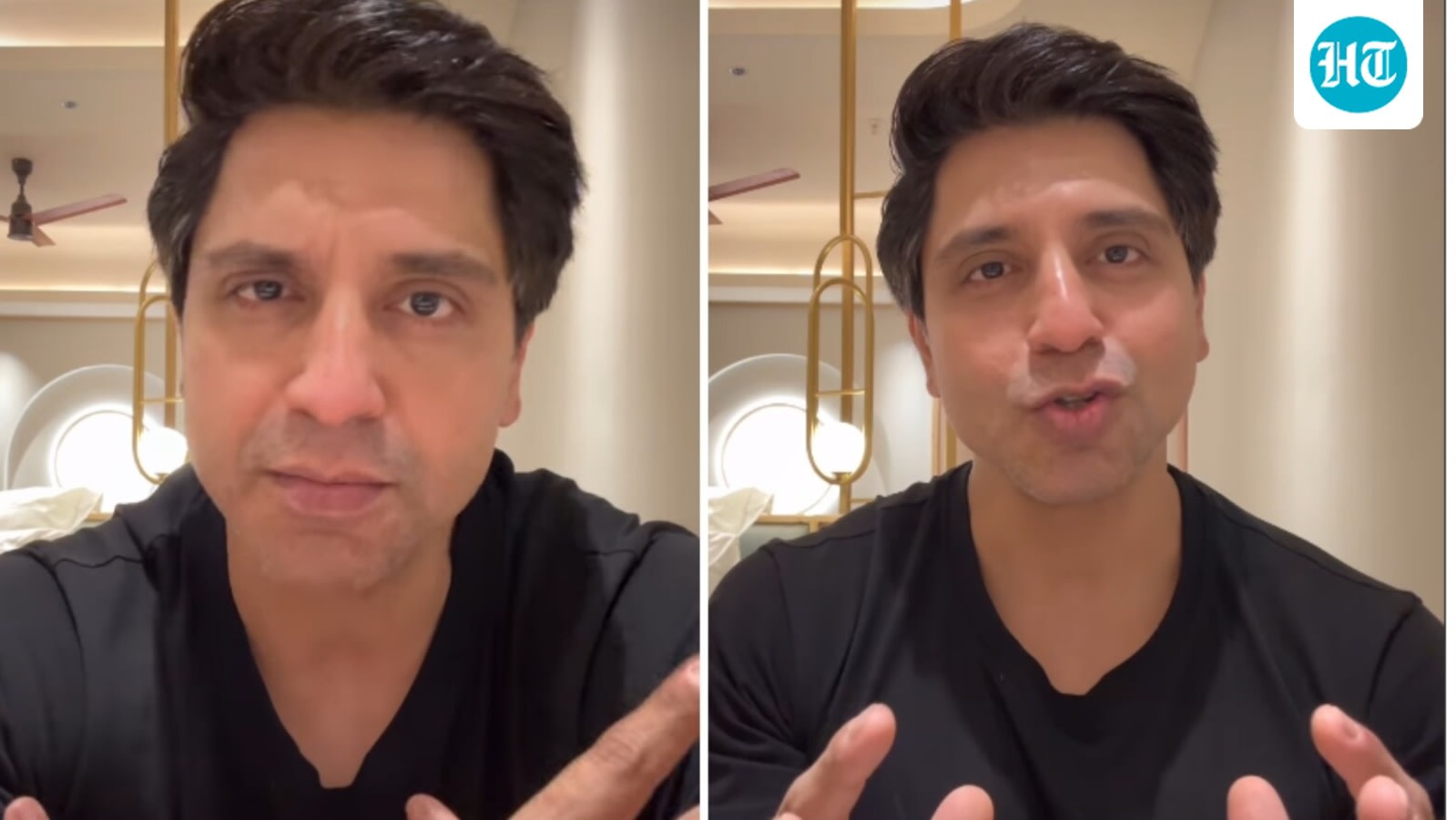
Shehzad Poonawalla has alleged that the Congress ecosystem is orchestrating attacks against him following his departure from the BJP. He claims the party expected him to criticize Prime Minister Modi, but he has instead doubled down on his critiques of Congress leadership.
The Political Fallout of Shehzad Poonawalla's Recent Allegations
The Dynamics of Political Transition
Recent developments involving Shehzad Poonawalla highlight the volatile nature of political allegiances in India. Following his exit from the Bharatiya Janata Party (BJP), Poonawalla has found himself at the center of a public spat involving his former political affiliates. The core of the tension stems from his assertion that the 'Congress ecosystem'—a term often used to describe a network of sympathizers and media figures—is actively attempting to discredit him by encouraging right-wing journalists to target him.
Analyzing the 'Congress Ecosystem' Claim
Poonawalla’s accusations suggest a strategic miscalculation on the part of the Congress party. According to his statements, the opposition leadership allegedly anticipated that his departure from the BJP would lead to a public pivot where he would align with them to criticize Prime Minister Narendra Modi. Instead, Poonawalla has continued to maintain a hostile stance toward his former party, specifically targeting what he refers to as the 'Supreme Leader' of the Congress, thereby signaling that his exit was not a precursor to reconciliation.
Media and Political Narrative Control
This situation underscores the growing importance of social media platforms, such as X (formerly Twitter), in shaping political discourse. Poonawalla’s decision to air these grievances via a late-night video and subsequent social media posts demonstrates a modern trend where political actors bypass traditional media gatekeepers to frame their own narratives. By alleging that journalists are being paid or encouraged to attack him, he is attempting to inoculate his public image against potential criticism from the right-wing ecosystem.
Broader Implications for Political Loyalty
The friction between Poonawalla and the Congress party reflects broader issues regarding ideological consistency in Indian politics. The expectation that an individual would automatically flip their political allegiance upon leaving a party ignores the complex personal and ideological motivations that drive political actors. This case serves as a reminder that political loyalty is rarely a linear trajectory, and the 'revolving door' of Indian political parties is often characterized by bitterness and public recriminations.
Future Trends in Political Communication
Looking ahead, we can expect to see more of these 'ecosystem' accusations as political figures continue to leverage digital media to call out perceived bias. The trend of political figures claiming that their opponents are manipulating media narratives is likely to intensify as the digital landscape becomes more polarized. Poonawalla’s refusal to align with Congress despite his departure from the BJP indicates that the battle lines in Indian politics remain deeply entrenched, with little room for fluid movement between competing ideological camps.
Conclusion
In summary, Shehzad Poonawalla’s recent claims serve as a window into the highly personalized and often contentious nature of political transitions in India. By framing the attacks against him as a coordinated effort by the Congress, he is attempting to maintain his relevance and credibility within the political discourse. Whether these allegations hold weight or are merely a tactical maneuver, they highlight the increasingly digital-first approach to political warfare in the country.
Verification Required?