‘Asha Parekh involved politicians in Zakhm’s censor battle, it disturbed me’: Mahesh Bhatt
Source Entity
The Indian Express
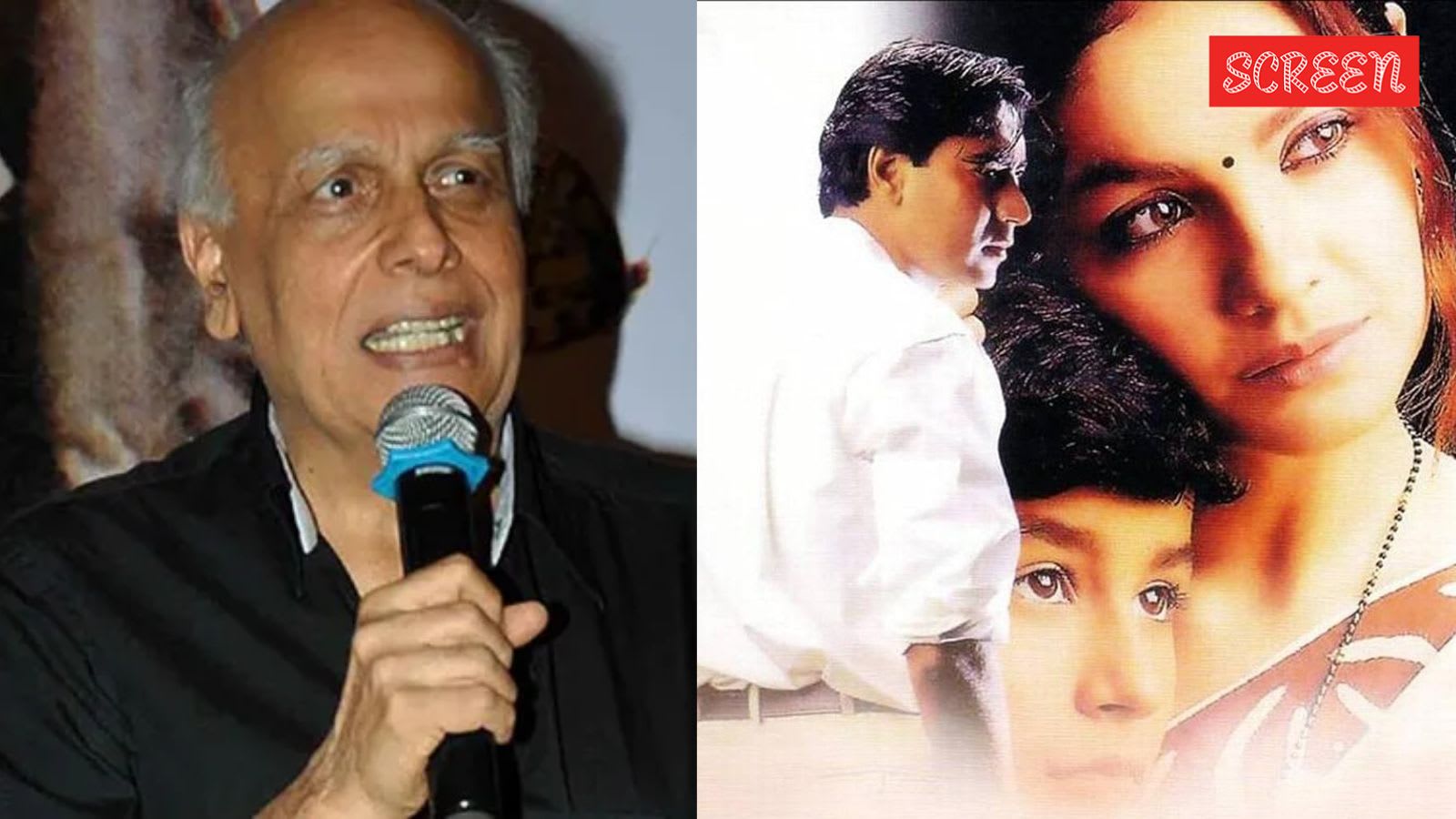
Filmmaker Mahesh Bhatt recently reflected on the turbulent censorship battle surrounding his semi-autobiographical film 'Zakhm'. He revealed that political intervention played a significant role in the film's clearance, expressing discomfort with the involvement of political figures in the creative process.
The Intersection of Personal Truth and Political Censorship
Mahesh Bhatt’s filmography has long been defined by its unflinching commitment to autobiographical storytelling. By mining his own life for narratives, Bhatt has consistently blurred the lines between private trauma and public consumption. In his recent conversation with lyricist Rashmi Virag, Bhatt highlighted how his 1998 film, Zakhm, served as a direct conduit for his personal history, specifically focusing on his upbringing as a child born to a Muslim mother and a Hindu father. This raw, unfiltered look at his identity formed the emotional core of the movie, yet this very honesty became a catalyst for systemic resistance.
The Censor Board and Beyond: A Political Hurdle
While the Central Board of Film Certification (CBFC) is the designated body for film scrutiny in India, the narrative surrounding Zakhm reveals a more complex reality. Bhatt notes that the film’s journey to the screen was not merely a matter of standard regulatory compliance. Instead, the process became entangled with political figures of the era. The involvement of politicians in the certification process suggests a climate where artistic expression was subject to ideological pressure, moving beyond the mandate of a film board and into the realm of political gatekeeping.
The Psychological Toll of External Interference
Bhatt expressed a profound sense of disturbance regarding the encroachment of political interests into his creative workspace. For a filmmaker whose work is rooted in the sanctity of personal experience, having that work vetted or influenced by political entities represents a violation of the creative process. This interference highlights the precarious position of auteur-driven cinema in India, where films tackling sensitive cultural or religious themes often face scrutiny that transcends artistic merit and enters the sphere of political negotiation.
Historical Context of Zakhm
Released at a time when communal tensions were frequently reflected in Indian media, Zakhm was inherently provocative. By choosing to center the narrative on the identity of a woman navigating the complexities of a mixed-faith background, Bhatt was challenging the status quo. The fact that the film required high-level political intervention to reach its audience underscores the historical difficulty of presenting nuanced, personal stories that touch upon religious identity in a polarized landscape.
Lasting Implications for Independent Filmmaking
The legacy of Zakhm serves as a case study for the ongoing struggle between creators and institutional oversight. Bhatt’s reflection on the months-long battle for clearance serves as a reminder that the path to cinematic release is often fraught with non-regulatory obstacles. As modern filmmakers continue to navigate the landscape of censorship, the story of Zakhm remains a poignant example of how political pressure can stifle, or at the very least complicate, the delivery of stories that are deeply intimate and essential to the filmmaker's truth.
Conclusion
Mahesh Bhatt’s recent comments provide a critical lens through which to view the history of Indian film censorship. By documenting the political involvement in Zakhm, he has shed light on the systemic challenges that creators face when their personal narratives challenge broader societal norms. The film stands not only as a piece of cinema but as a testament to the resilience of a storyteller who refused to let his reality be silenced by external political agendas.