Mahesh Tutorials shuts: Can parents get a refund? Here’s what you need to know
Source Entity
Pallavi Smart
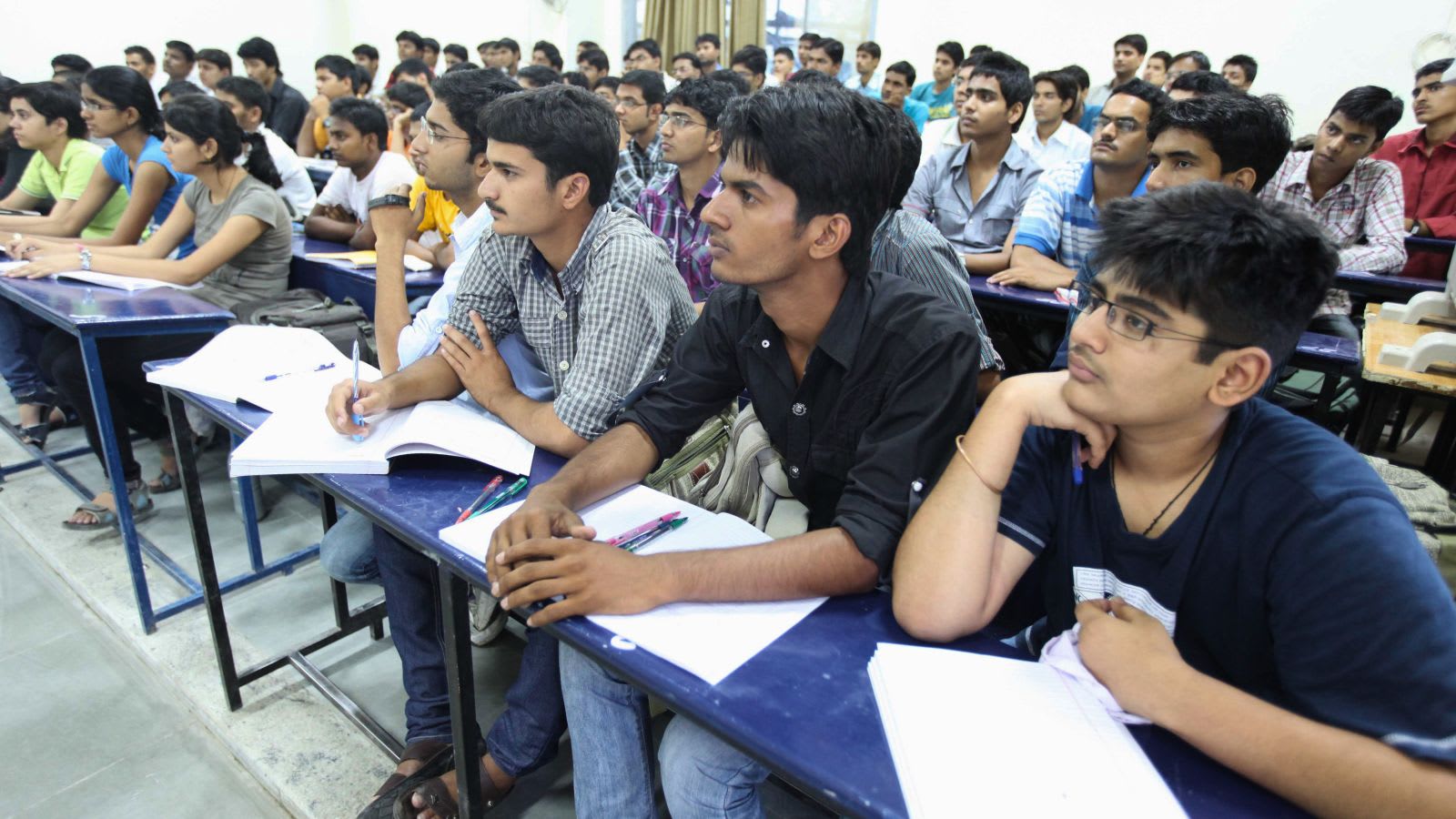
The closure of multiple Mahesh Tutorials centers follows the insolvency of parent company MT Educare. Parents and students are now facing uncertainty regarding fee refunds and academic continuity.
The Collapse of an Educational Icon: Understanding the Mahesh Tutorials Crisis
The sudden closure of multiple Mahesh Tutorials centers across Mumbai marks a significant turning point in India's private coaching industry. Once a household name synonymous with academic success, the institution's decline highlights the volatile nature of the education sector when faced with severe financial instability. For thousands of families, the immediate concern rests on the recovery of paid fees and the disruption of critical academic preparation for competitive examinations.
From Humble Beginnings to Corporate Insolvency
Founded in 1988 by Mahesh Shetty, the organization spent decades building a reputation as a premier destination for students. Its trajectory from a localized coaching class to a massive chain was a testament to the surging demand for supplemental education in India. However, the transition from a private enterprise to a publicly traded entity under MT Educare—following its 2012 IPO—introduced new pressures. The current insolvency proceedings suggest that the aggressive expansion strategies and corporate scaling required by public markets may have strained the institution's core operational stability.
Navigating the Financial Fallout
When a coaching giant enters insolvency, the legal hierarchy of debt repayment often leaves consumer stakeholders, such as parents and students, in a precarious position. Because these fees are typically paid in advance for long-term services, the sudden cessation of operations creates a significant liability. The uncertainty surrounding refunds is exacerbated by the legal complexities of insolvency laws, which prioritize secured creditors over individual service consumers.
The Future of Academic Continuity
Beyond the immediate financial loss, the displacement of students poses a severe risk to their academic timelines. Students preparing for high-stakes engineering and medical entrance exams rely on consistent curriculum delivery and faculty support. The question of whether students can be transferred to other institutes without consent remains a major point of contention, as the educational methodology and quality of these centers are often specific to the brand, making seamless transitions difficult.
Broader Implications for the Coaching Sector
This event serves as a cautionary tale for the private coaching industry in India. The reliance on heavy upfront fees to fund operational growth is a model that is increasingly being scrutinized. As the regulatory environment for coaching centers tightens, institutions may face pressure to shift toward more sustainable financial models that protect the interests of students and parents during periods of fiscal distress.
Conclusion: A Path Forward for Affected Families
As the insolvency process unfolds, affected families must prioritize documenting their financial claims and seeking legal clarity on their status as creditors. While the loss of a legacy brand like Mahesh Tutorials is a blow to the Mumbai educational landscape, the priority must remain on mitigating the academic impact on students. Moving forward, the industry must prioritize transparency and consumer protection to prevent such widespread disruption from repeating.