I Built a 500k-Domain Search Engine for Makers in a Weekend for $10
Source Entity
Hacker News
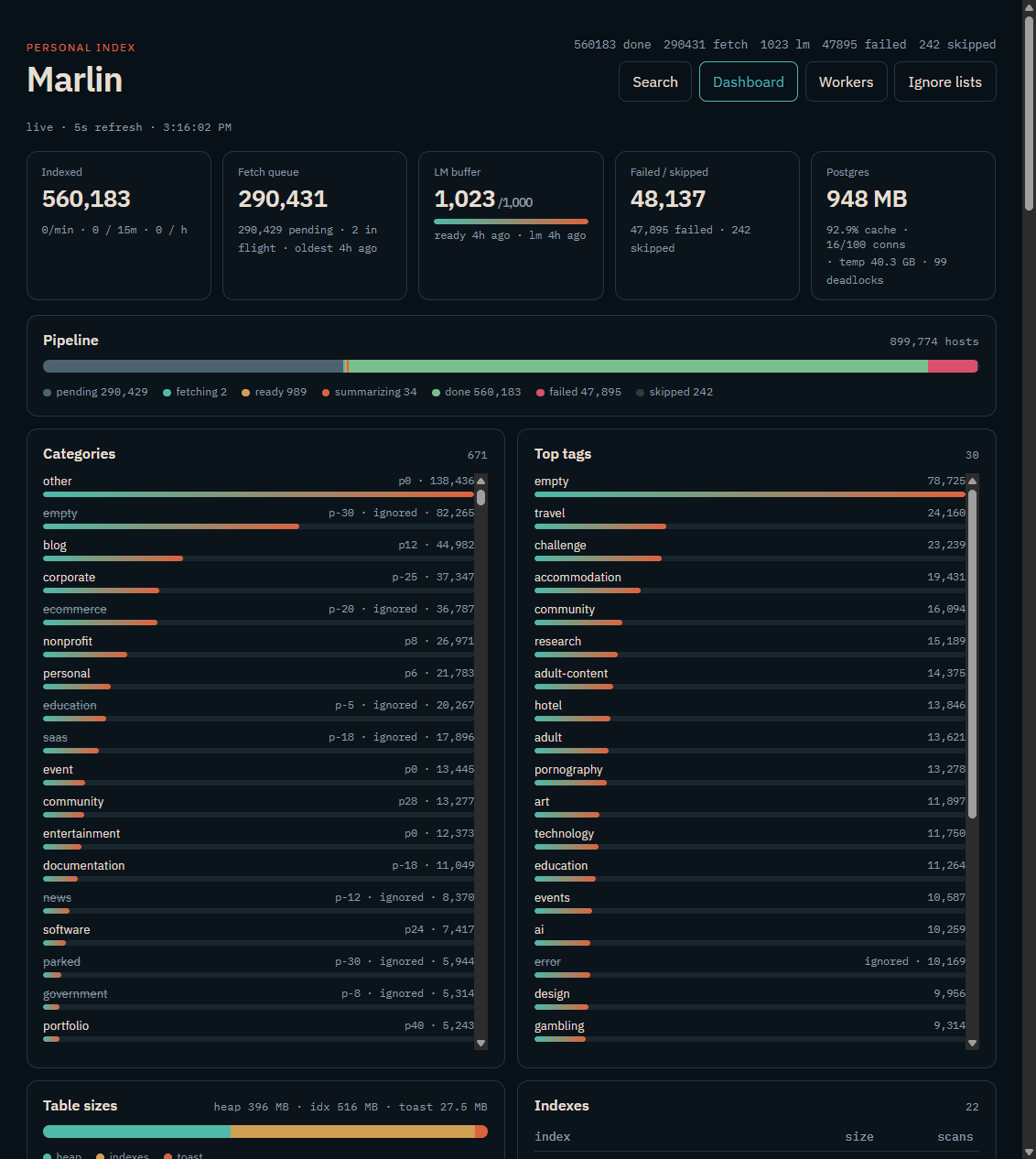
A developer successfully built a niche search engine for independent projects by cataloging 560,183 domains in a weekend for just $10. The project highlights a growing frustration with mainstream search engines cluttered by corporate SEO content.
The Rise of Indie Search: Challenging Corporate Dominance
The recent experiment by a solo developer to build a search engine for independent creators—cataloging over 560,000 domains in a single weekend for a mere $10—serves as a poignant critique of the modern web. In an era where mainstream search results are increasingly dominated by high-authority corporate domains, SEO-optimized content farms, and heavy advertising, the user experience for those seeking niche, authentic projects has severely degraded. This initiative represents a grassroots pushback against the 'SEO sludge' that characterizes contemporary digital discovery.
The Technical Feasibility of Niche Indexing
At the heart of this project is the realization that index-based search is not necessarily reserved for tech giants with massive capital. By calculating that 40 million domains could technically be stored with minimal metadata, the developer demonstrated that the barrier to entry for building a specialized search tool is significantly lower than commonly assumed. Using a lean approach, the creator managed to index over half a million homepages in just a few days, proving that infrastructure costs—often cited as the primary hurdle for search engine development—can be minimized to a negligible $10 budget.
The Problem with Modern Search Algorithms
Modern search engines are optimized for broad utility, often prioritizing commercial intent over the 'weird' or 'personal' web that defined the internet's early years. The developer's frustration stems from the difficulty of surfacing portfolios, zines, and one-person software projects. When search algorithms prioritize high-traffic, corporate-backed content, the long tail of the web—the small projects that define creativity and individuality—is effectively buried, leading to a homogenized internet experience.
Lessons in Rapid Prototyping
The timeline of this project—conceived at 2 a.m. on a Sunday and completed by Wednesday lunch—highlights the power of the 'maker' mindset. By focusing on a specific, narrow goal ('a search engine for myself only'), the developer avoided the scope creep that typically kills complex software projects. This rapid iteration cycle allowed the creator to encounter and solve real-world technical barriers, such as queue management and data fetching, without the burden of enterprise-level overhead.
Future Implications for the Web
This project suggests a potential future where the internet returns to a more decentralized model of discovery. If developers can build functional, niche-specific search tools on a shoestring budget, we may see a proliferation of 'curated' search engines that cater to specific interests rather than the general public. As the web continues to grow, the ability to filter out noise and surface high-quality, human-centric projects will become an increasingly valuable skill for both developers and users alike.