Friends, Frenemies, Friends Again: Congress-Trinamool Relationship Coming Full Circle
Source Entity
NDTV News Search Records Found 1000
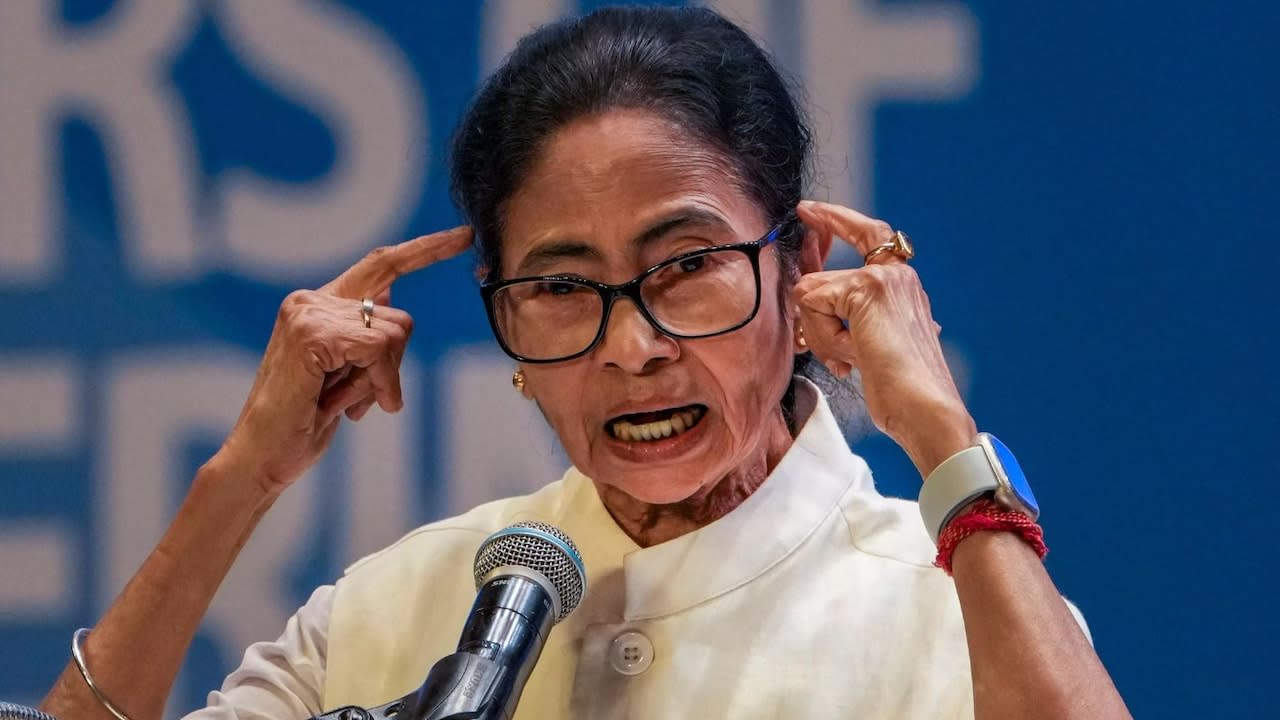
Speculation has emerged regarding a potential political reconciliation between Mamata Banerjee and the Congress party. This development highlights the shifting dynamics within India's opposition landscape.
The Shifting Landscape of Indian Opposition Politics
Recent reports suggesting that Mamata Banerjee may contemplate a return to the Congress party have sparked significant discourse within the Indian political sphere. As a former Union Minister under the Congress banner before founding the All India Trinamool Congress (TMC), Banerjee’s political trajectory has been defined by a complex, oscillating relationship with her former allies. This potential rapprochement, if substantiated, would represent a monumental shift in the configuration of opposition forces in India.
Historical Context and Political Evolution
Mamata Banerjee’s departure from the Congress in 1998 was fueled by deep-seated ideological and strategic disagreements regarding the party's direction in West Bengal. Over the subsequent decades, she successfully dismantled the long-standing Left Front hegemony, establishing the TMC as a formidable regional powerhouse. The current narrative of a 'return' to her political roots underscores the cyclical nature of coalition politics, where the urgency of national-level electoral arithmetic often forces parties to revisit historical alliances.
Strategic Implications of a Reconciliation
The potential for a reunion between the TMC and Congress is rooted in the broader strategic necessity of consolidating anti-incumbent votes. In the current political climate, fragmented opposition votes have often played into the hands of dominant ruling parties. A formal or informal realignment could signal a concerted effort to unify the opposition, presenting a more cohesive front in parliamentary and electoral contests, provided that the two parties can resolve long-standing friction over regional dominance and leadership roles.
Challenges to Integration
Despite the allure of a unified front, significant hurdles remain. The TMC has spent over two decades cultivating a distinct regional identity that is fiercely protective of its autonomy in West Bengal. Integrating this ethos back into the Congress framework would require a delicate balancing act that addresses both the personal ambitions of leadership and the grassroots organizational structures that have grown accustomed to opposition against the Congress at the state level.
Future Trends and Predicted Outcomes
Moving forward, the relationship between these two entities will likely remain fluid, dictated by upcoming electoral cycles and the internal pressures within the broader opposition bloc. If this proposal gains traction, we may witness a series of high-level negotiations aimed at seat-sharing and policy alignment. Ultimately, the success of such a move will depend on whether both parties prioritize long-term strategic survival over the short-term political friction that has defined their relationship for years.
Conclusion
While the prospect of Mamata Banerjee returning to the Congress remains in the realm of proposals, it serves as a critical indicator of the ongoing restructuring within India's political ecosystem. Observers will be closely watching for any substantive steps toward formalizing these discussions, as such a move would undeniably alter the strategic map of national politics.
Verification Required?