MS NOW journalists blocked from White House after Trump bans three media outlets
Source Entity
US Top News and Analysis
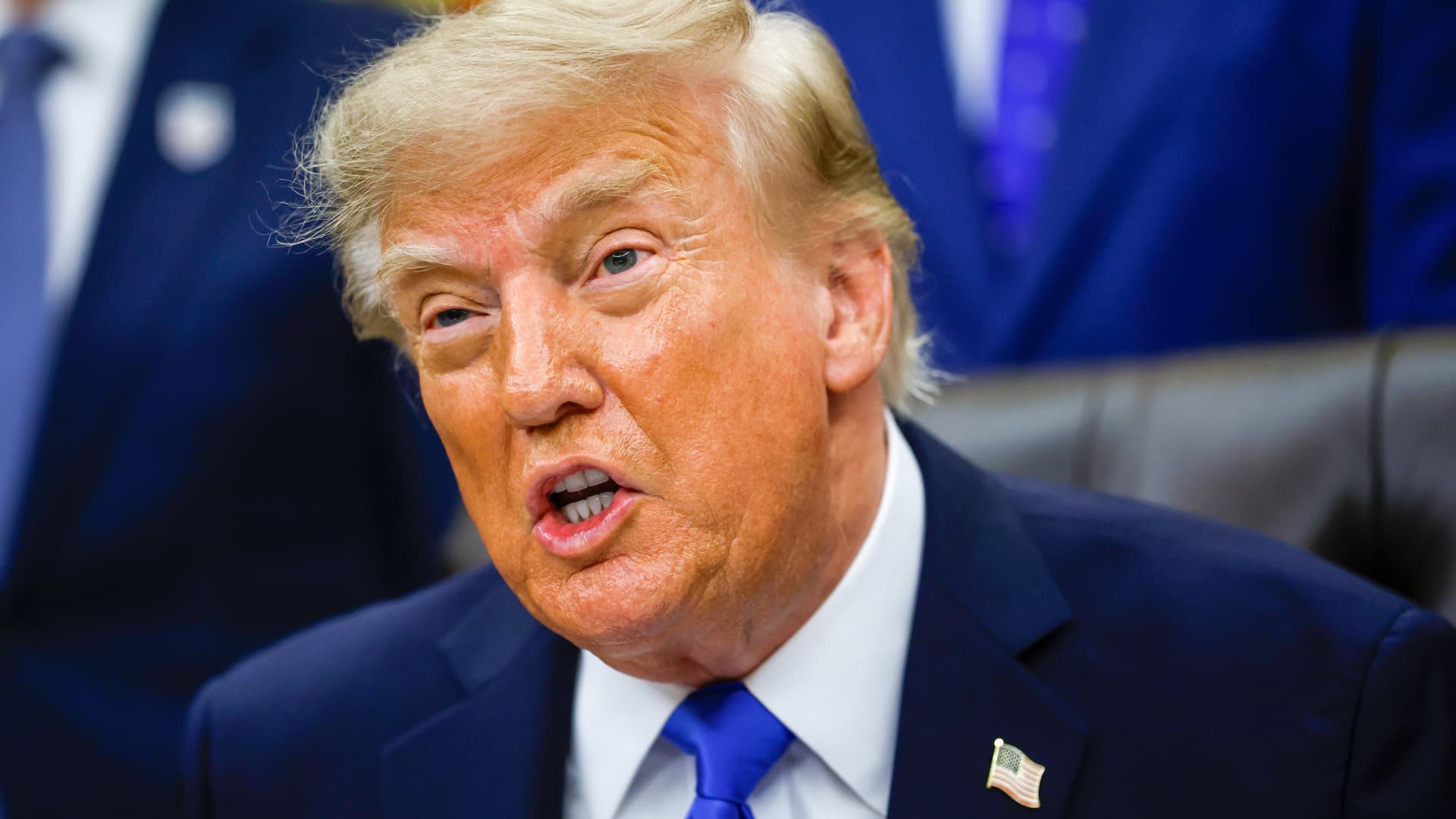
President Donald Trump has revoked White House press access for CNN, Politico, and MS NOW, citing dissatisfaction with their coverage. Media organizations and advocates have condemned the move, labeling the seizure of credentials as an unconstitutional threat to press freedom.
The Escalation of Tensions Between the White House and the Press
In a significant development for American media relations, President Donald Trump has initiated a ban against three prominent news organizations: CNN, Politico, and MS NOW. This action, which culminated in the physical confiscation of press badges on Saturday morning, marks a sharp escalation in the administration's ongoing conflict with major media outlets. By disabling credentials, the administration has effectively barred these journalists from entering White House grounds, directly hindering their ability to perform their duties in covering the executive branch.
The Mechanics of the Access Denial
The implementation of this ban was both immediate and systematic. According to reports from the affected outlets, journalists attempting to enter the White House on Saturday morning found their security badges non-functional. When presented to security officers, these badges were explicitly confiscated. Akayla Gardner, an MS NOW reporter, confirmed this sequence of events, noting that she was instructed to surrender her badge after it failed to scan. This physical removal of access serves as a tangible manifestation of the President's public declarations made just a day prior.
Justification and Administrative Rhetoric
President Trump’s decision to bar these specific outlets stems from his long-standing criticism of their reporting. He has explicitly accused these organizations of fabricating "fiction or lies" regarding his administration. By framing the coverage as inherently dishonest, the President has sought to justify the revocation of press credentials as a response to perceived journalistic malpractice. This rhetoric aligns with the administration's broader strategy of delegitimizing institutional media that provides critical oversight of executive actions.
The Constitutional and Democratic Implications
The move has drawn immediate and severe criticism from press freedom advocates, who characterize the administration’s actions as unconstitutional. The First Amendment of the U.S. Constitution provides a foundation for the role of a free press in a democratic society, acting as a check on government power. By restricting access to the White House—a public institution funded by taxpayer dollars—the administration is being accused of attempting to dictate the terms of public discourse and limit the transparency of government operations.
Institutional Responses and Future Outlook
In response to the ban, MS NOW has issued a formal statement asserting that the White House belongs to the American people and that the institution of independent journalism is essential to a functioning democracy. The organization has signaled its intent to pursue all necessary legal and institutional avenues to defend its First Amendment rights. As these media outlets challenge the restriction, the situation sets the stage for a protracted legal and political battle over the scope of executive power and the rights of journalists to access the seat of government.
Conclusion
The decision to revoke the credentials of CNN, Politico, and MS NOW represents a critical juncture in the relationship between the White House and the press. As these outlets vow to continue their reporting despite the lack of physical access, the event highlights the fragility of traditional norms regarding media-government relations. The ultimate resolution of this conflict will likely carry significant long-term implications for how the press covers the executive branch and how constitutional protections for journalists are interpreted in the modern political era.
Multiple Citing Sources