Man drags 200 kg motorcycle downhill in Leh after engine stops suddenly, wins Rs 1 lakh
Source Entity
Jagriti Rai
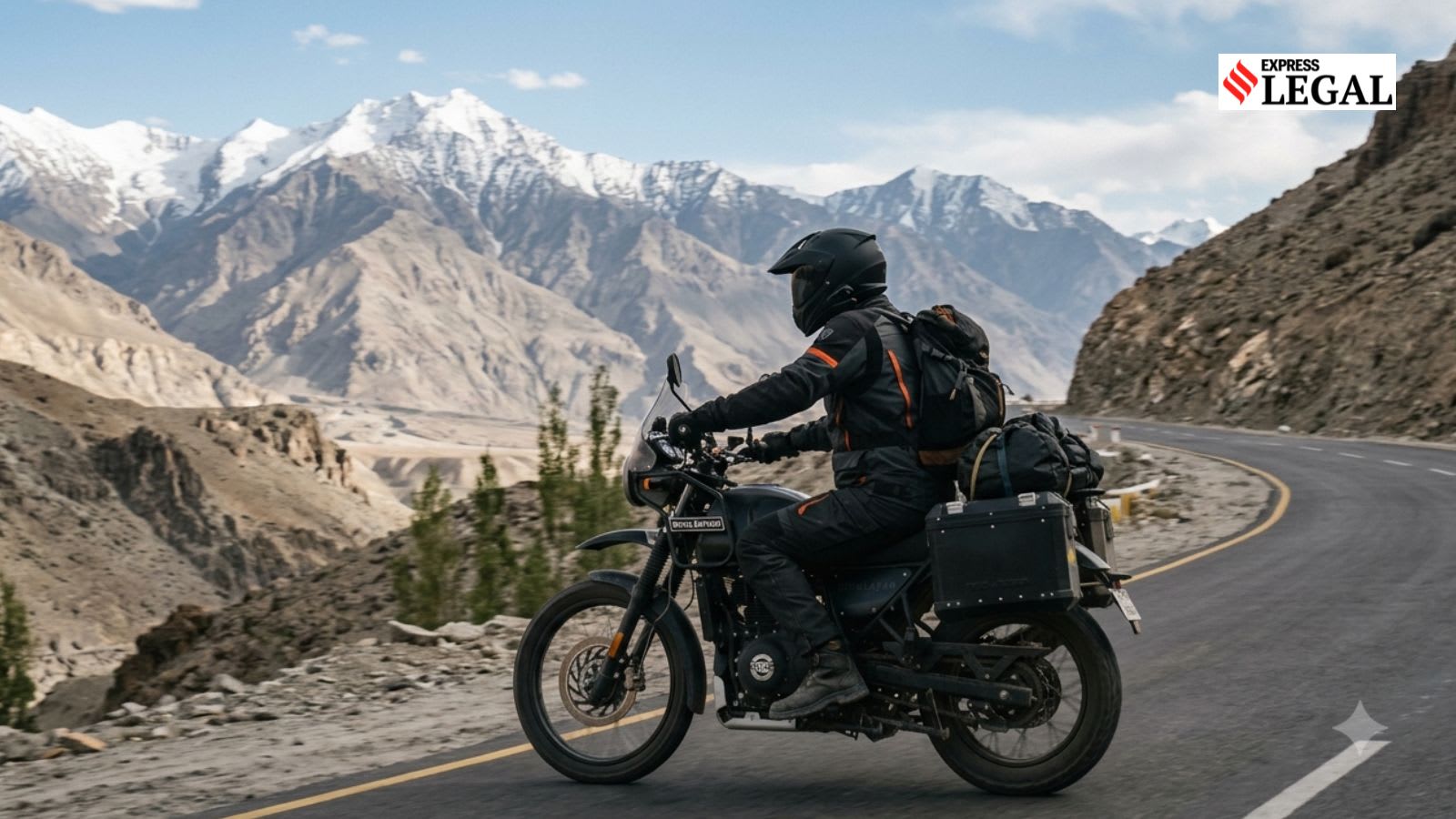
A Delhi consumer commission ordered a motorcycle manufacturer to pay Rs 1 lakh in compensation to a rider who suffered power loss during a high-altitude Leh trip. The ruling highlighted the failure of the company to resolve known ECU issues despite prior assurances.
Consumer Justice in the High Himalayas
A recent ruling by a Delhi consumer commission has brought attention to the intersection of mechanical reliability and consumer rights, particularly for adventure travelers. The commission, presided over by Monika A. Srivastava and member Kiran Kaushal, ordered a motorcycle manufacturer and its Noida-based service center to pay Rs 1 lakh in compensation. This decision stems from a harrowing experience involving a motorcyclist whose bike suffered a sudden, complete loss of power while traversing the challenging terrain of Leh at an altitude of 15,000 feet.
The Failure of Technical Assurance
At the heart of the dispute was the rider's reliance on the manufacturer’s technical support. Before embarking on his high-altitude expedition, the complainant had sought service for his vehicle, specifically addressing concerns regarding the Electronic Control Unit (ECU). Despite the service center’s explicit assurances that the ECU had been updated and the vehicle was ready for the rigors of mountain riding, the bike experienced a catastrophic power failure in one of the world's most inhospitable environments. This breach of trust and failure of service formed the primary basis for the commission’s decision to award damages.
Physical and Mental Hardship
The commission did not merely look at the mechanical failure; it focused heavily on the human cost of such a breakdown. Dragging a 200 kg motorcycle downhill at such extreme altitudes is not just a physical burden; it is a significant safety risk. The commission acknowledged the severe physical pain and mental distress the rider endured, noting that the company’s negligence directly contributed to an ordeal that could have resulted in more serious injury, given the isolation and extreme climate of the Leh region.
Legal Precedent and Consumer Accountability
This case sets a vital precedent for manufacturers regarding the quality of service provided to adventure-touring customers. The November 4 order emphasized that there were no contradictions in the complainant's documentation, reinforcing the validity of his claims. By ruling in favor of the consumer, the commission is sending a clear message to automotive brands: consumer safety and the integrity of mechanical repairs are non-negotiable, especially when the vehicle is marketed for high-performance or adventure use.
Broader Implications for Adventure Tourism
As motorcycle tourism in the Himalayas continues to grow, this case highlights the increasing need for reliable mechanical support networks. For manufacturers, this serves as a warning that 'service updates' must be more than just administrative checkboxes. When a company guarantees that a vehicle is prepared for extreme conditions, they are effectively entering a contract of safety. Failure to uphold this, as seen in this instance, exposes the company to legal liabilities that extend far beyond the initial cost of repairs.
Future Trends in Vehicle Liability
Looking ahead, this ruling may encourage more consumers to hold manufacturers accountable for mechanical failures occurring during specialized use. As vehicles become more reliant on complex digital systems like ECUs, the responsibility of service centers to provide accurate, verified updates becomes paramount. This incident will likely lead to more stringent documentation requirements at service centers and a heightened awareness among riders about their rights when technical failures occur in remote locations.