She begged for years. After her death, Rs 8.4 lakh found at her home
Source Entity
The Indian Express
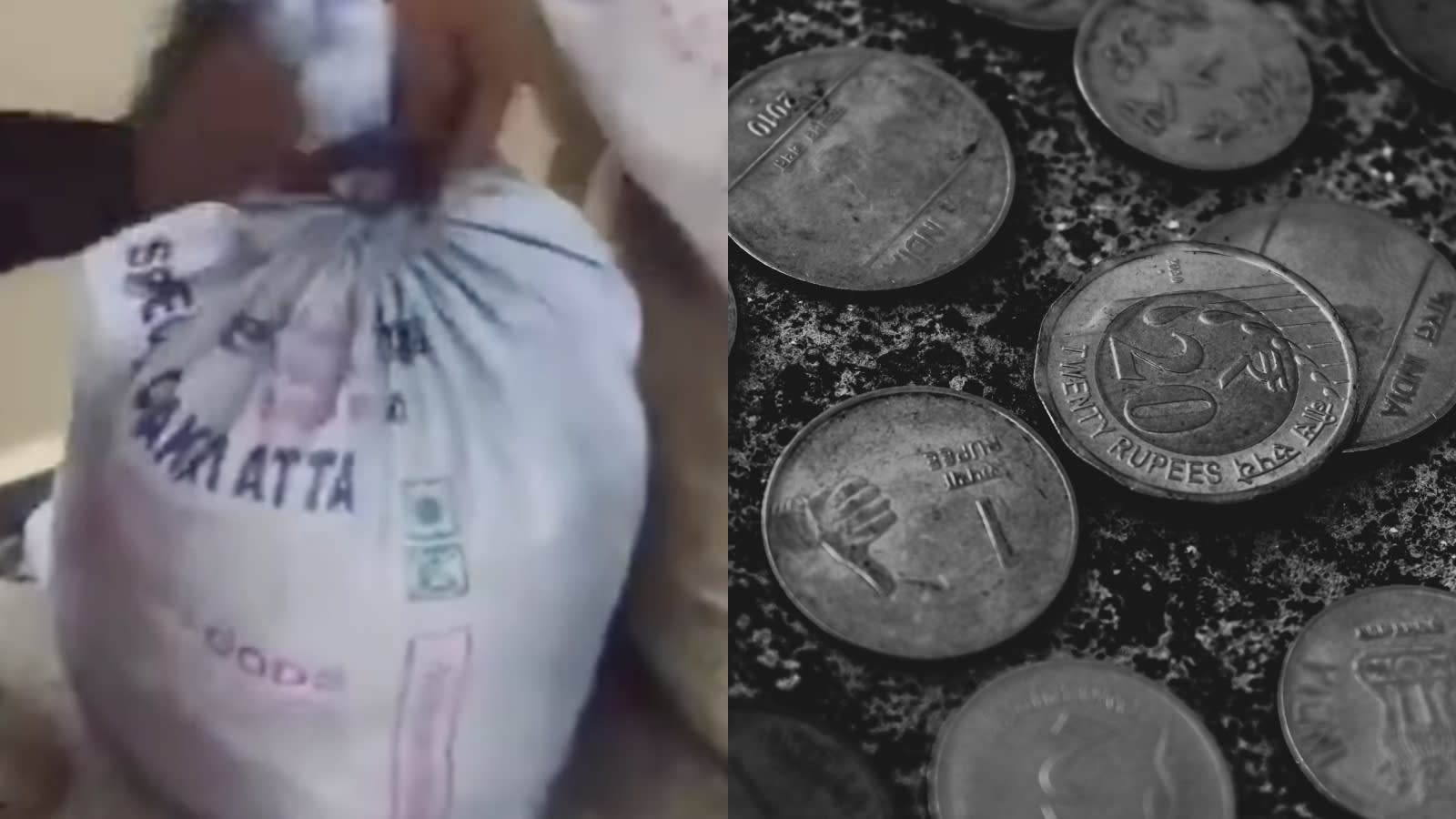
After the death of a long-time beggar in Mandya, Karnataka, residents discovered Rs 8.4 lakh in cash hidden within her home. The woman, known as Noorunnisa or Hoor, had spent four decades begging before passing away from age-related causes.
The Hidden Legacy of a Mandya Resident
The recent passing of a 68-to-70-year-old woman in Mandya, Karnataka, known locally as Noorunnisa or Hoor, has brought to light a startling narrative of hidden poverty and unexpected accumulation. For over four decades, the woman was a fixture at local traffic junctions, sustaining herself through begging. Her death, attributed to age-related illness, served as the catalyst for the discovery of a significant financial hoard, revealing that her outward appearance of extreme destitution masked a secret life of extreme frugality.
A Discovery of Staggering Proportions
Following the discovery of her passing—prompted by neighbors who noticed her absence—relatives and residents entered her rented home to find a scene that defied expectations. Tucked away in a locked room were approximately 10 to 30 sacks filled with currency notes and coins. The total sum discovered amounted to Rs 8.4 lakh, a figure that stands in stark contrast to the public perception of the woman as a destitute beggar struggling for daily survival.
The Mechanics of Accumulation
Reports from the scene indicate that the collection was comprised largely of low-denomination currency, specifically Rs 10 and Rs 20 notes, alongside a substantial volume of coins. This detail provides insight into the nature of her daily earnings over the course of forty years. By systematically hoarding small-value tender, she managed to accumulate a substantial fortune, suggesting a psychological drive toward security or a lack of access to formal banking systems that might have otherwise facilitated more traditional forms of saving.
Socio-Economic Implications
This case highlights broader societal issues regarding the visibility and care of the elderly, particularly those suffering from mental illness, as reported in the context of Noorunnisa's life. The fact that she lived in a rented house alongside her sister while maintaining such a large amount of cash raises questions about the social support structures available to the elderly poor in rural and semi-urban India. It also serves as a poignant reminder of how personal trauma and mental health struggles can manifest in behaviors that isolate individuals from community support.
Future Trends and Community Impact
As local authorities and families process the aftermath of this discovery, the incident has sparked widespread discussion in Mandya about the nature of homelessness and poverty. Such events often lead to increased scrutiny of the welfare of vulnerable populations. Moving forward, this case will likely serve as a case study for local NGOs and civic bodies to improve outreach programs, ensuring that those in need are identified and supported before their circumstances culminate in such tragic and public revelations.
Conclusion
The story of Noorunnisa is a complex intersection of personal tragedy, social invisibility, and the extreme persistence of survival instincts. While the discovery of Rs 8.4 lakh provides a sensational headline, the core of the event remains the quiet, decades-long struggle of a woman who lived in plain sight, yet remained entirely misunderstood by the community she interacted with daily.
Multiple Citing Sources