"Don't Bring Mobs Into Schools": Mohandas Pai On CJP's School Inspections
Source Entity
NDTV News Search Records Found 1000
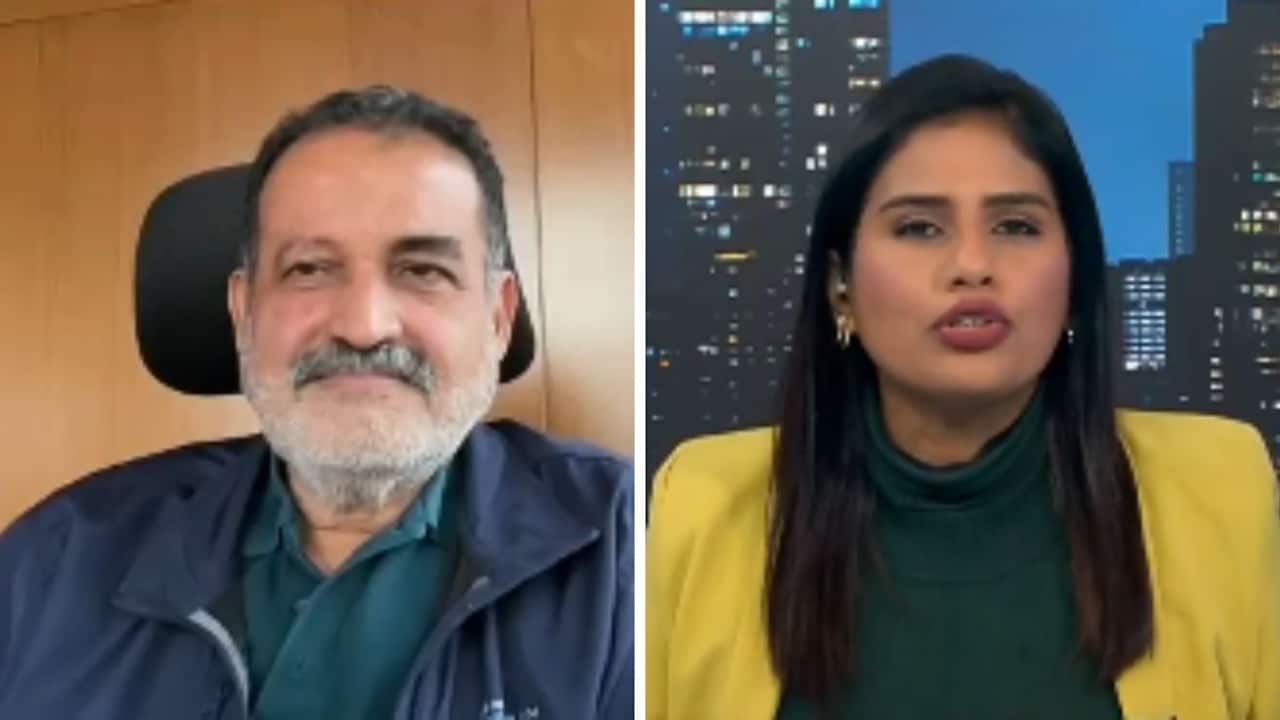
Mohandas Pai has publicly criticized the Citizens for Justice and Peace (CJP) for conducting school inspections, warning against the involvement of mobs in educational environments. He emphasized that the focus should instead be on addressing critical systemic challenges like teacher shortages.
The Intersection of Activism and Educational Integrity
The recent commentary by Mohandas Pai regarding the Citizens for Justice and Peace (CJP) conducting school inspections has ignited a broader debate about the role of external organizations within academic institutions. By explicitly warning against the practice of bringing 'mobs' into schools, Pai is highlighting the potential for external social or political pressure to disrupt the delicate environment required for student learning and faculty operations.
The Risks of External Oversight
When organizations take it upon themselves to perform unsanctioned inspections, they risk blurring the lines between legitimate public advocacy and the intimidation of school staff. Pai’s critique suggests that such interventions may undermine the authority of school administrators and create a climate of apprehension. In the context of the Indian education system, where schools are already navigating complex regulatory frameworks, the presence of external groups can exacerbate tensions rather than provide constructive solutions.
Addressing Systemic Deficiencies
Beyond the disruption caused by these inspections, Pai draws essential attention to the fundamental issues plaguing the sector, most notably the persistent shortage of qualified teachers. This is not a new challenge; the Indian education system has long grappled with high student-to-teacher ratios that hinder effective pedagogy. By shifting the discourse toward these structural deficits, Pai argues that the focus of activists and policymakers should be on capacity building rather than confrontational oversight.
The Impact on School Governance
Schools operate as specialized environments that require autonomy to manage curriculum delivery and student development. When external entities utilize pressure tactics or mob-like behavior, it challenges the governance structure of these institutions. A move toward more collaborative, state-sanctioned oversight—rather than independent, emotionally charged inspections—is implied as a more sustainable path forward for ensuring quality and compliance.
Future Trends in Educational Advocacy
Looking ahead, the tension between civil society activism and academic freedom is likely to continue. There is a growing need for established protocols that allow for public transparency without compromising the safety and stability of the classroom. If the focus remains on performative or confrontational inspections, the systemic issues like teacher shortages will remain unresolved, potentially leading to a further decline in educational standards.
Conclusion
In summary, Mohandas Pai’s intervention serves as a reminder that the health of the education system depends on prioritizing professional standards over ideological mobilization. Addressing the root causes of educational challenges requires a systematic approach to policy and resource allocation, rather than external interventions that risk destabilizing the very institutions they claim to protect.
Verification Required?