‘They have stopped hoping’: Inside Manipur’s deepening mental health crisis
Source Entity
ISMAT ARA
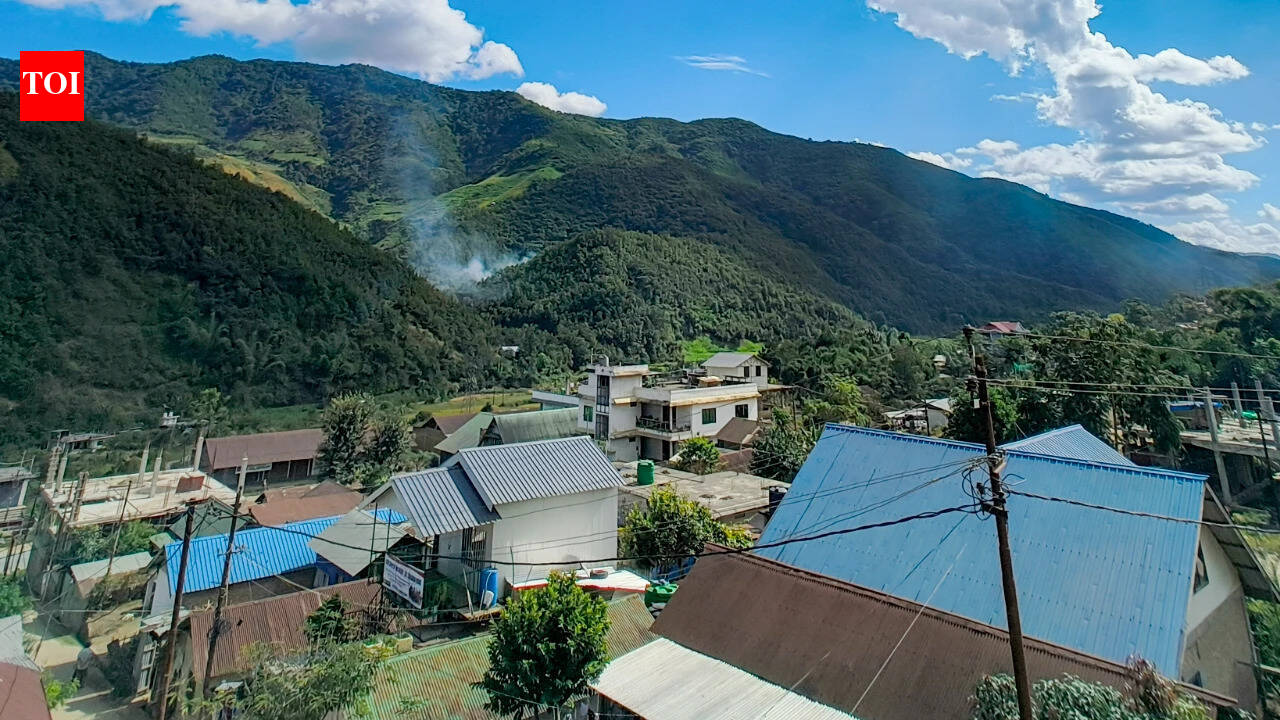
Manipur's relief camps are facing a severe mental health crisis as displaced families struggle with trauma, loss, and rising suicide rates. With one in eight individuals suffering from mental illness, the prolonged conflict has created a dire environment where hope is rapidly diminishing.
The Silent Crisis in Manipur's Relief Camps
The ongoing conflict in Manipur has transcended the immediate physical violence, manifesting into a profound and deepening mental health crisis. As the unrest enters its fourth year, the relief camps—originally intended as temporary sanctuaries—have transformed into long-term environments of despair. Tens of thousands of displaced individuals now reside behind makeshift curtains, their lives defined by the loss of homes, land, and the fundamental stability that once anchored their existence.
The Psychological Toll of Prolonged Displacement
The psychological breakdown observed among the displaced is a direct consequence of sustained trauma. According to data from the Manipur Commission for Protection of Child Rights (MCPCR), approximately one in eight individuals in these camps is currently battling mental illness. This statistic is not merely a figure; it represents a community in the midst of a slow-motion unraveling. The constant state of uncertainty, coupled with the bereavement of losing loved ones and livelihoods, has created a toxic environment where trauma is continuously reinforced.
Living Conditions and Compounding Trauma
Beyond the emotional weight of conflict, the physical environment of the relief camps acts as a catalyst for further distress. Overcrowding and inadequate sanitation are not just public health concerns; they are daily stressors that exacerbate the trauma experienced by both children and adults. When basic human dignity is stripped away through substandard living conditions, the ability of individuals to cope with their psychological wounds is severely compromised, leading to a visible spike in suicide rates within these families.
The Erosion of Communal Hope
Perhaps the most alarming development is the widespread sense of hopelessness that has permeated these communities. Officials and observers have noted that many victims have effectively 'stopped hoping,' a dangerous psychological state that often precedes long-term societal decay. When a community loses the belief in a future beyond the confines of a relief camp, the barriers to recovery become significantly higher, suggesting that the psychological scars of this conflict will persist long after the physical violence ceases.
Future Implications and Societal Impact
Looking forward, the mental health crisis in Manipur poses a significant challenge for post-conflict reconstruction. The sheer scale of trauma, particularly among the youth and displaced families, suggests that the region will require long-term, specialized mental health infrastructure. Without comprehensive interventions that address both the material needs of the displaced and their psychological healing, the cycle of despair risks becoming generational. The current state of these camps underscores the urgent need for a shift in focus toward holistic rehabilitation to prevent the permanent loss of hope in the region.