Manipur Naga body announces intensified highway blockade
Source Entity
India Latest News: Top National Headlines Today & Breaking News | The Hindu
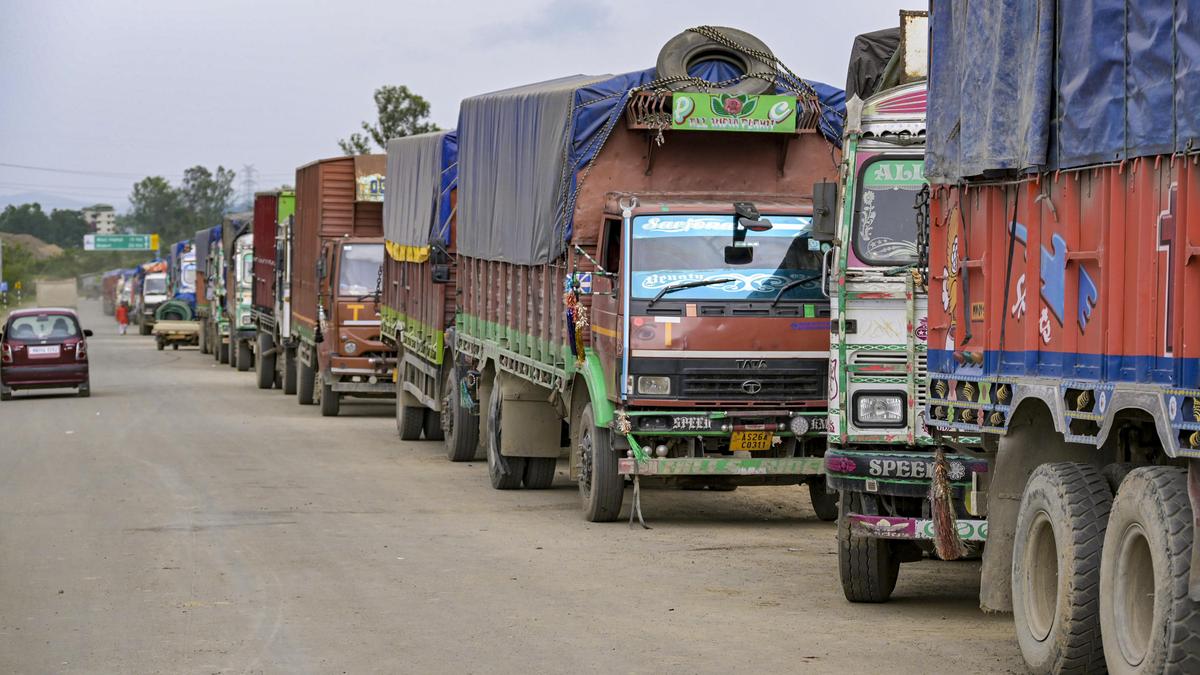
The United Naga Council has launched an intensified highway blockade in Manipur following the murder of six Liangmai Naga civilians. This move follows the suspension of a Kuki police constable allegedly involved in the abductions, highlighting deep-seated ethnic tensions in the region.
Escalating Ethnic Tensions in Manipur
The state of Manipur is currently facing a significant escalation in civil unrest as the United Naga Council (UNC), the apex representative body for Naga communities, has announced an intensified inter-district economic blockade on major National Highways. Commencing on September 9, 2026, this move marks a dramatic shift in the ongoing protest movement, which seeks accountability for the tragic abduction and subsequent murder of six Liangmai Naga civilians on May 13. The blockade, decided upon during an Emergency Presidential Council meeting in Ukhrul, signifies a loss of faith in the state government's current administrative measures.
The Core Grievances and Political Demands
At the heart of the UNC’s protest are two specific, non-negotiable demands: the delivery of justice for the families of the victims abducted from Leilon Vaiphei village in Kangpokpi district, and the immediate removal of Deputy Chief Minister Nemcha Kipgen. The UNC views the government's response to these demands as inadequate, leading to the decision to paralyze transport and supply lines across the state. This tactic of economic blockade is a historically significant form of protest in Manipur, often used to force state-level intervention by disrupting the flow of essential goods into the valley and hill districts.
Police Accountability and Internal Conflict
Concurrent with the UNC’s announcement, the Manipur police have taken a significant step by suspending a Kuki police constable allegedly involved in the abduction of the six victims. The suspension order, issued by the Superintendent of Police of Bishnupur district on September 8, highlights the complex and often fractured nature of law enforcement in a state defined by ethnic divisions. The constable, who was reportedly transferred from the Bishnupur valley to the Kangpokpi hill district amid the broader conflict, is now the subject of a formal departmental enquiry.
Broader Implications of the Ethnic Divide
This incident underscores the deepening rift between Naga and Kuki communities within the state's political and security structures. The fact that a police officer from one community is being investigated for crimes against another community exacerbates existing distrust in state institutions. As political representatives from both groups continue to clash, the administrative apparatus finds itself in a precarious position, struggling to maintain law and order while being accused of bias by the very stakeholders it is meant to protect.
Future Trends and Regional Stability
Looking ahead, the situation remains volatile. If the government fails to address the UNC's demands—specifically regarding the removal of the Deputy Chief Minister and the transparency of the ongoing investigations—the blockade is likely to cause significant economic hardship and deepen the polarization between ethnic groups. The reliance on economic blockades as a tool for political leverage suggests that the path to peace will require not only judicial resolution regarding the May 13 murders but also a comprehensive political reconciliation process that addresses the grievances of all ethnic stakeholders in Manipur.
Verification Required?