2 more Naga men killed as ethnic violence flares up in Manipur again
Source Entity
PRABIN KALITA
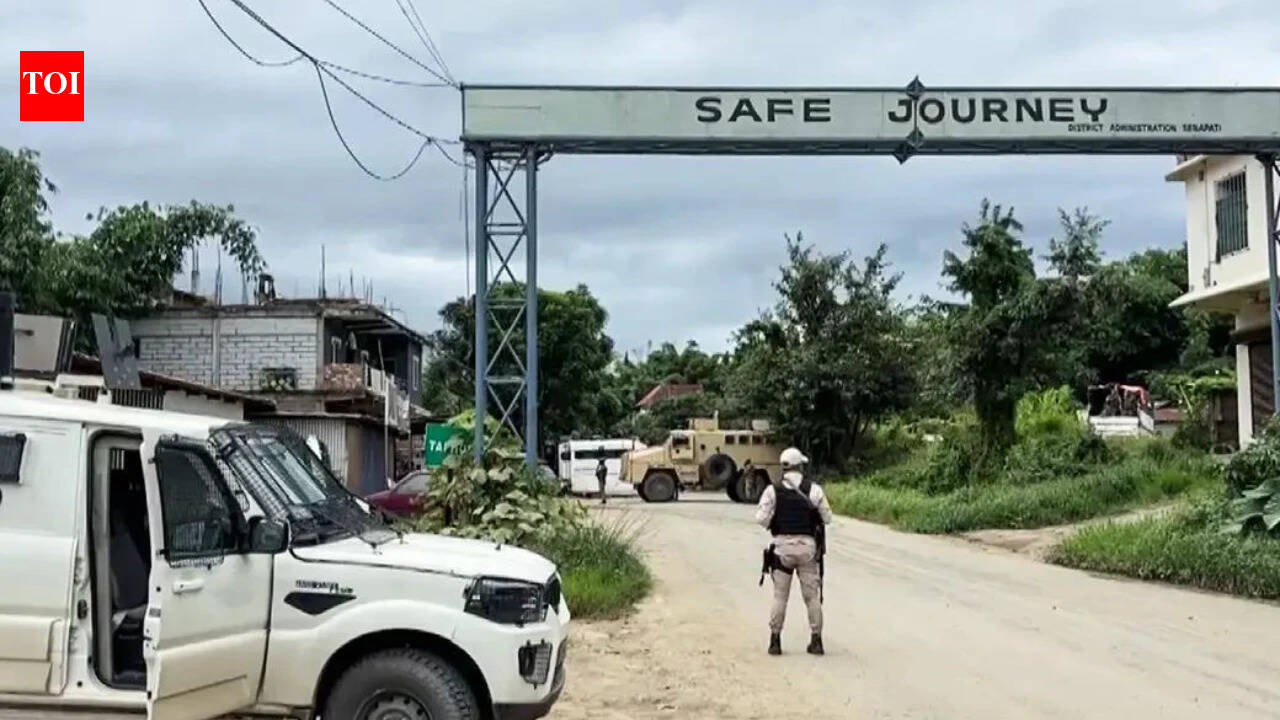
A wave of targeted violence in Manipur has resulted in the deaths of two Naga civilians in the Senapati district, following a separate attack that killed four in Kamjong. These incidents mark a significant and alarming escalation in ongoing ethnic tensions within the region.
Escalating Violence in Manipur: A Deep Dive into the Recent Naga Civilian Killings
The Incident in Senapati District
On a Saturday afternoon, the fragile peace in Manipur’s Senapati district was shattered when two Naga civilians, identified as Rocky from Mao Chaowainamai and Kumar from Poumai Laii Shirafii, were gunned down by unidentified armed individuals. The attack occurred at approximately 2:45 PM at a residence in Kalenjang village, which reportedly belonged to the local village chief. Beyond the fatalities, two other individuals sustained injuries during the assault, marking this as a significant escalation of violence in a region already grappling with deep-seated ethnic friction.
Contextualizing the Regional Instability
This tragedy did not occur in a vacuum; it followed a separate, lethal attack just days prior in the Indo-Myanmar border district of Kamjong. In that incident, four Tangkhul Naga civilians were killed at Pilong village, allegedly by cadres operating from across the border. When viewed alongside the broader pattern of violence in September—which saw at least 13 people killed across districts like Tamenglong, Kangpokpi, and Noney—it becomes clear that the region is experiencing a systemic breakdown in security, characterized by targeted strikes against specific community members.
The Naga-Kuki Conflict Dynamics
The current unrest is increasingly being framed within the context of a volatile Naga-Kuki conflict. Reports suggest that the violence is not merely sporadic but represents a calculated surge in hostilities. The involvement of armed groups, including allegations regarding the Kuki National Army-Burma (B), highlights the complexity of the border security situation. The proximity of the Senapati shooting to a political function attended by local leadership underscores the audacity of the armed groups operating in the state, signaling a challenge to state authority.
Broader Implications for Manipur
The persistent nature of these attacks threatens to derail any efforts toward reconciliation between ethnic groups in Manipur. By targeting civilians in their homes and rural settings, the perpetrators are effectively deepening the psychological divide between communities. The frequency of these attacks—spanning multiple districts within a single month—suggests that the conflict has evolved into a multi-front crisis that requires more than just local law enforcement intervention.
Future Trends and Security Outlook
As the death toll rises and ethnic tensions show little sign of abating, the outlook for the region remains grim. If these cycles of retaliatory violence continue, the risk of regional destabilization increases, potentially drawing in more non-state actors from the porous border areas. Future trends will likely depend on the government's ability to secure the Indo-Myanmar border and address the underlying grievances that fuel these militant activities. Without a robust, multi-layered security strategy and a commitment to inter-community dialogue, the civilian population in districts like Senapati and Kamjong will remain in a state of perpetual vulnerability.